
How to Choose the Right Hydrangea

How to Choose the Right Hydrangea

When choosing the right hydrangea, there are a couple things to consider first:

  • Will the hydrangea go in full sun, partial sun, or shade?
  • What size shrub were you looking for?
  • Do you want colorful blooms or just white?

Our staff is happy to help if you need more advice or any help deciding which of these options to go with!

Full Sun Hydrangeas

These hydrangeas can tolerate partial sun but prefer full sun (6-8 hours)
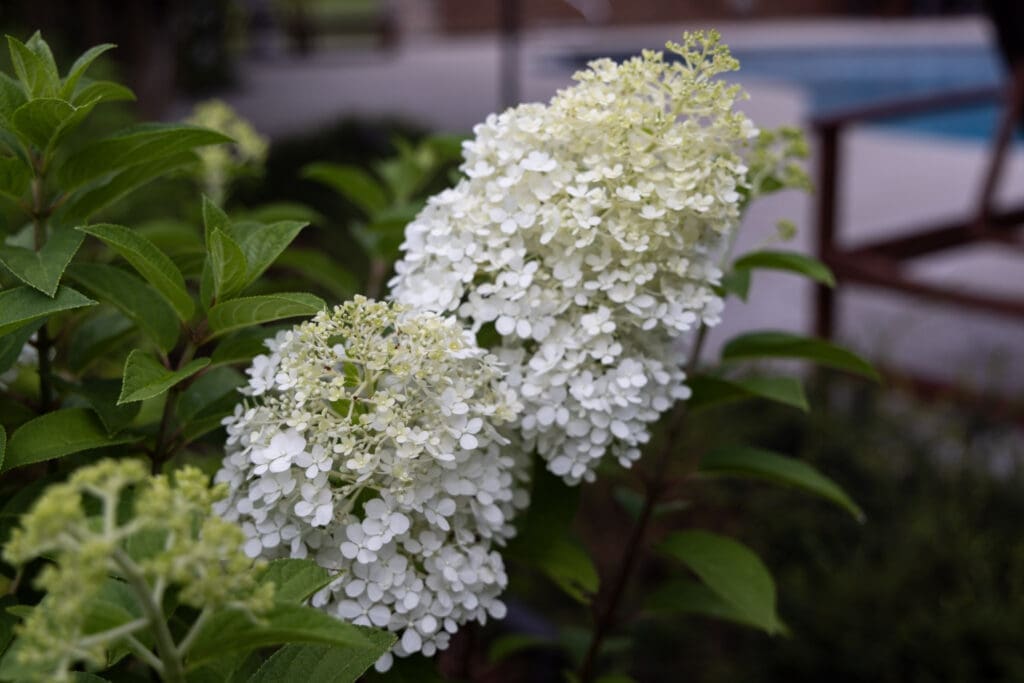
‘Bobo’ Hydrangea paniculata – This dwarf flowering bush grows to about 3’ x 3’ and blooms during the summer with white blooms. They bloom on new growth and would need to be pruned in late winter or early spring. These make good border plants and have strong stems that do not droop with full blooms.
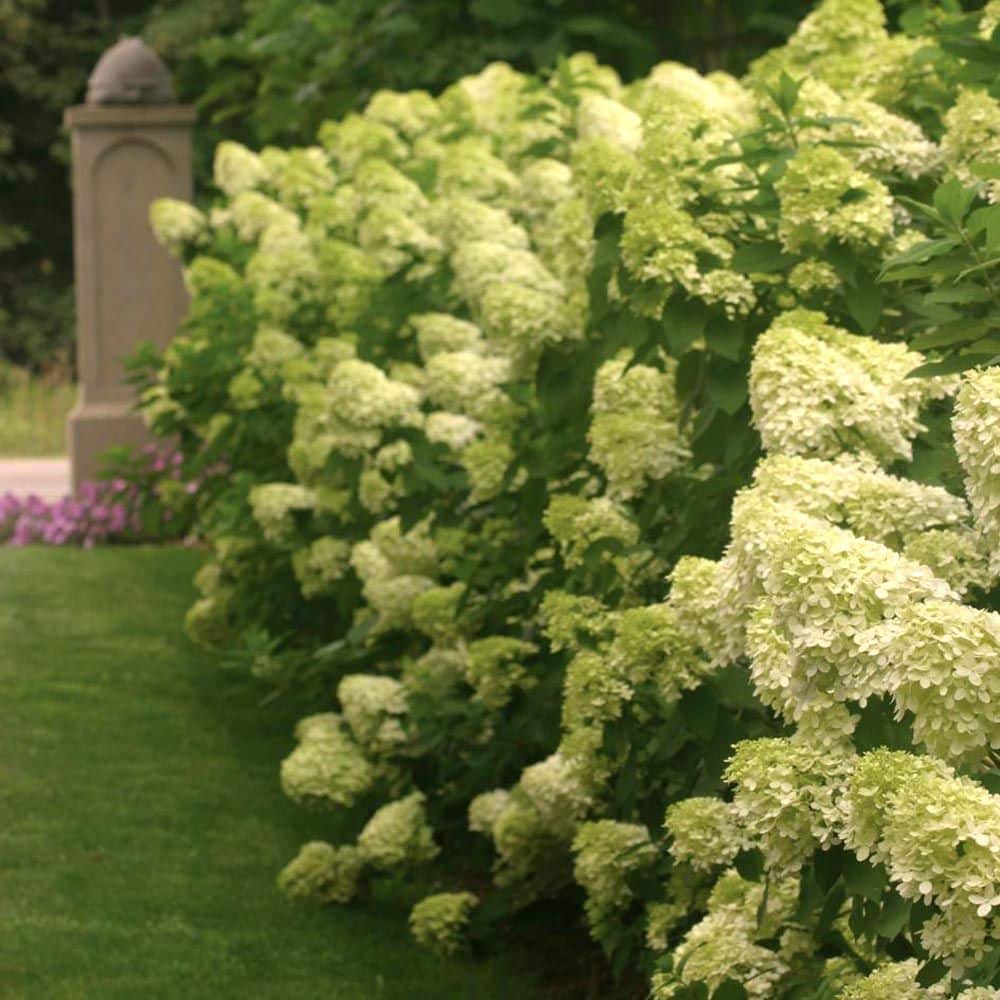
‘Limelight’ Hydrangea paniculata
‘Limelight’ Hydrangea paniculata – With white summer blooms that eventually turn white and fade to a rosy shade, these grow to about 6’- 8’ x 6’- 8’. They bloom on new growth and need to be pruned in late winter or early spring. Stems occasionally need support when in bloom.
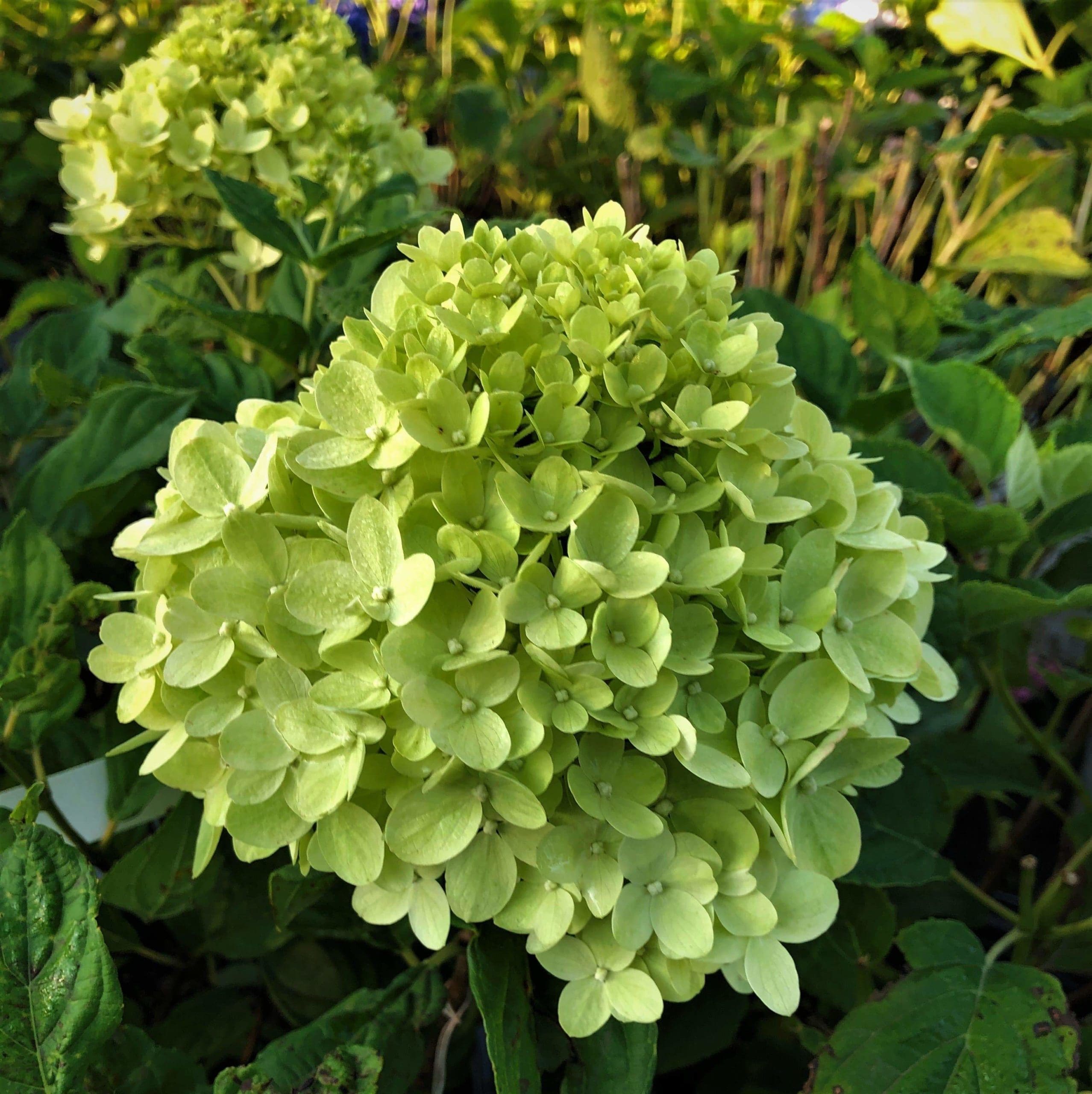
‘Little Lime’
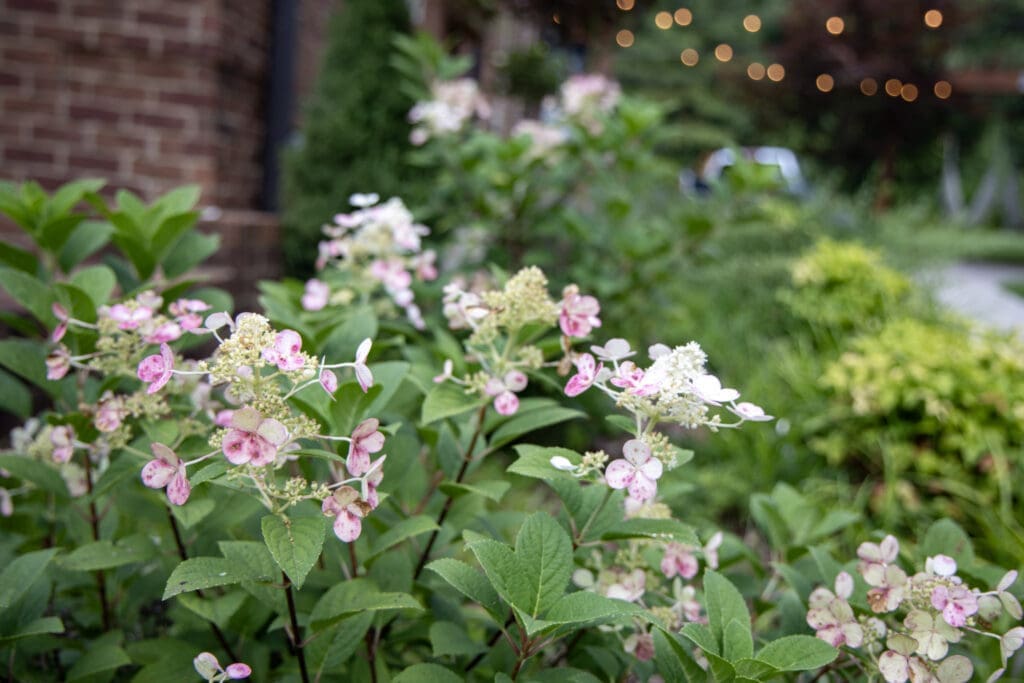
‘Little Lime’ Hydrangea paniculata – This is a dwarf form of
the Limelight and grows to about 3’- 5’ x 3’- 5’.
‘Quick Fire’ Hydrangea paniculata
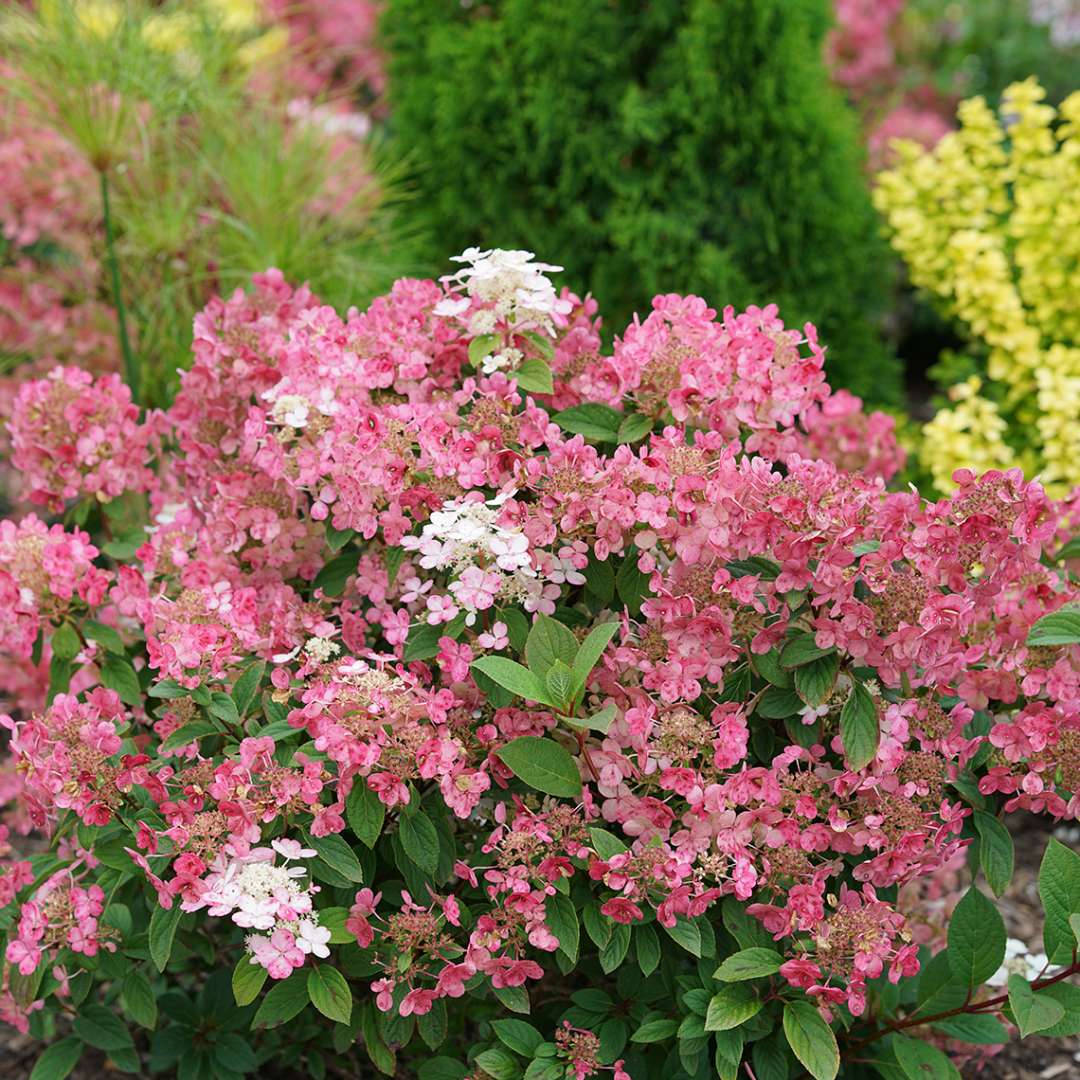
‘Quick Fire’ Hydrangea paniculata – This bush grows
to about 6’- 8’ x 6’- 8’ and blooms white fading to red into
the fall. They need to be pruned in late winter or early spring. This hydrangea begins blooming in the summer about 1 month before other summer blooming hydrangeas.
‘Incrediball’
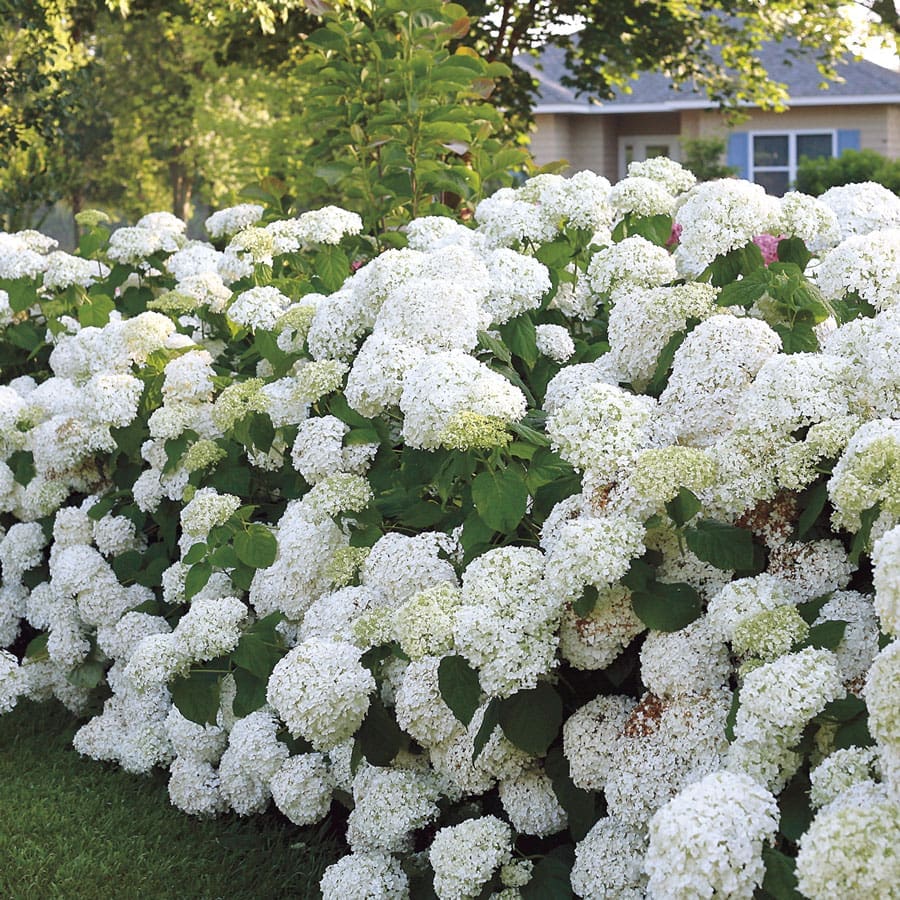
‘Incrediball’ Hydrangea arborescens – This gorgeous white flower grows to about 5’ x 5’ and is a native type. The
Incrediball is an improved variety of the Annabelle that has larger white blooms and sturdier stems to support them.
Cut back in late winter to early spring.
‘Annabelle’
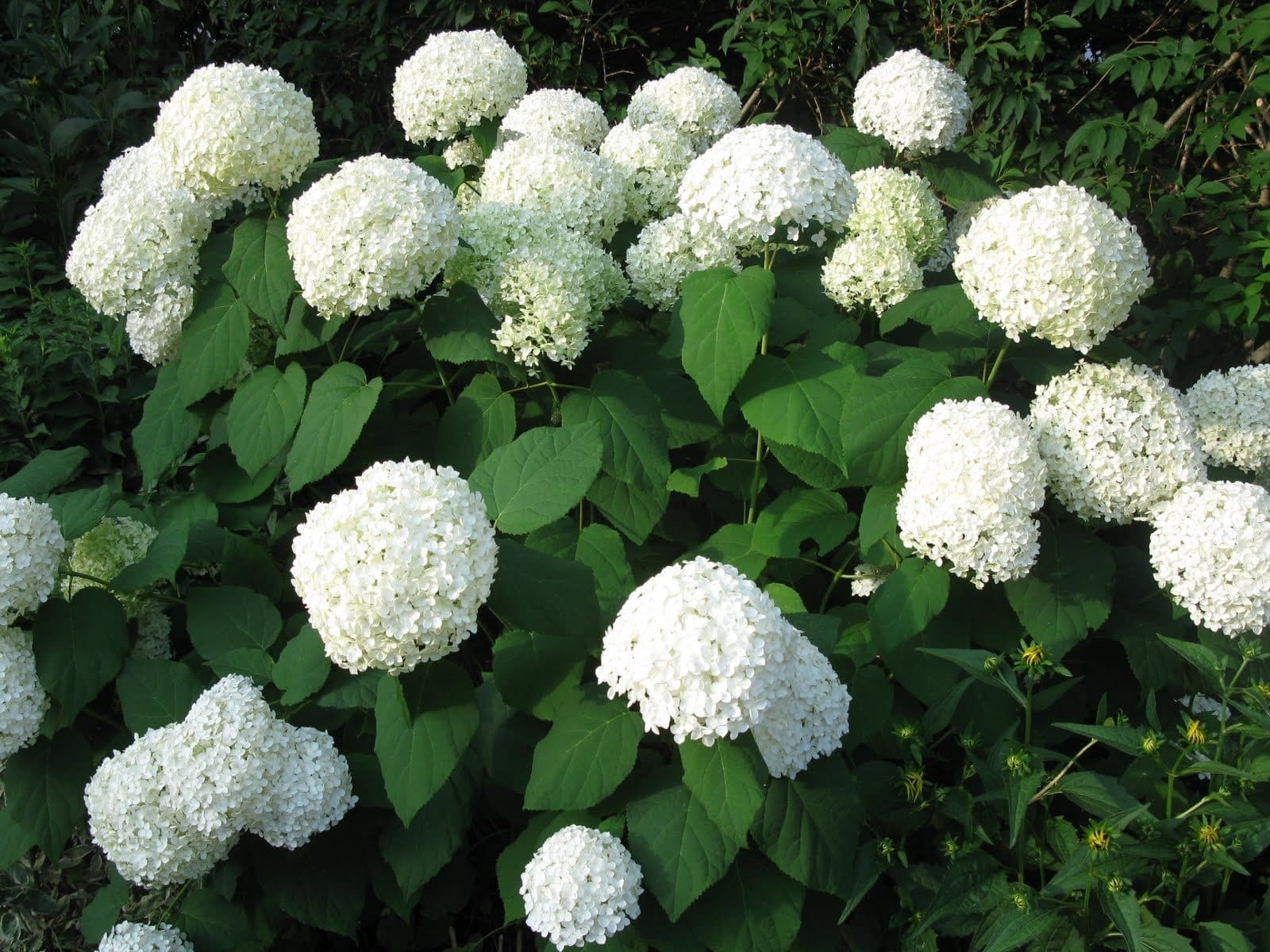
‘Annabelle’ Hydrangea arborescens
– These flowers grows to about 5’ x 5’ and is a native type. These hydrangeas
bloom white and make a nice addition to rain gardens.

Partial Sun Hydrangeas

These hydrangeas can handle shade but prefer partial sun (4-6 hours)
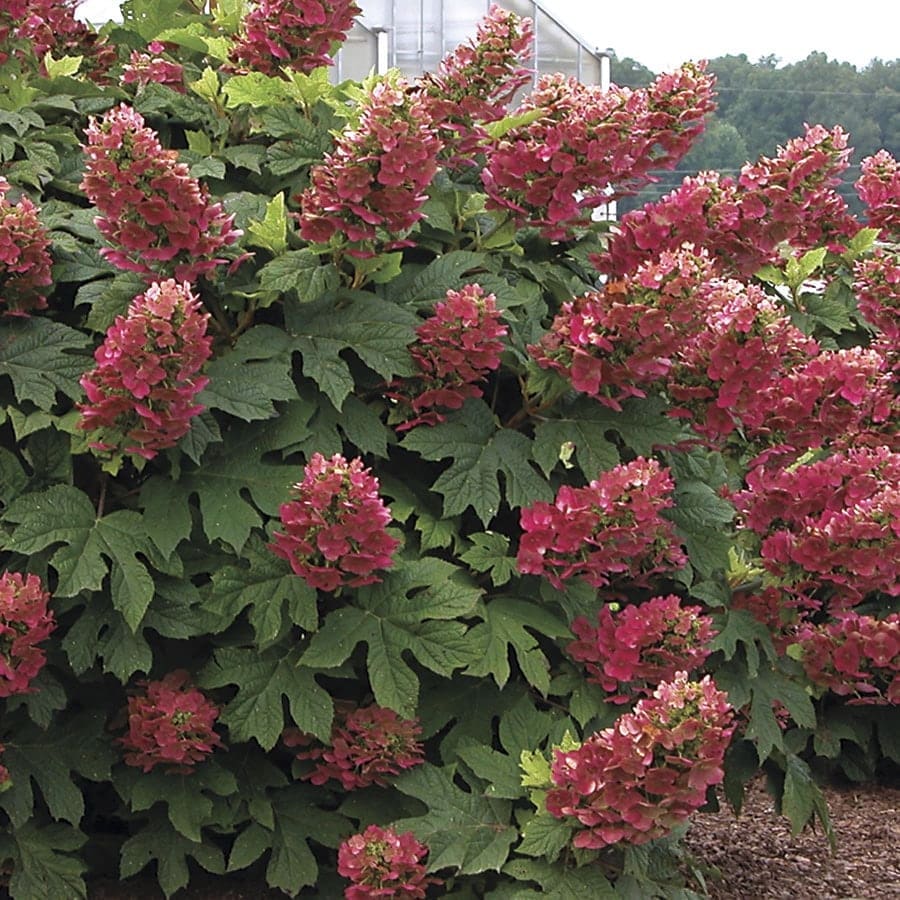
‘Ruby Slippers’ Hydrangea quercifolia
‘Ruby Slippers’ Hydrangea quercifolia – This is a dwarf hydrangea that grows to about 4’ x 4’ and blooms white fading to red. Oakleaf hydrangeas are a native type. Prune after blooming ends in fall.
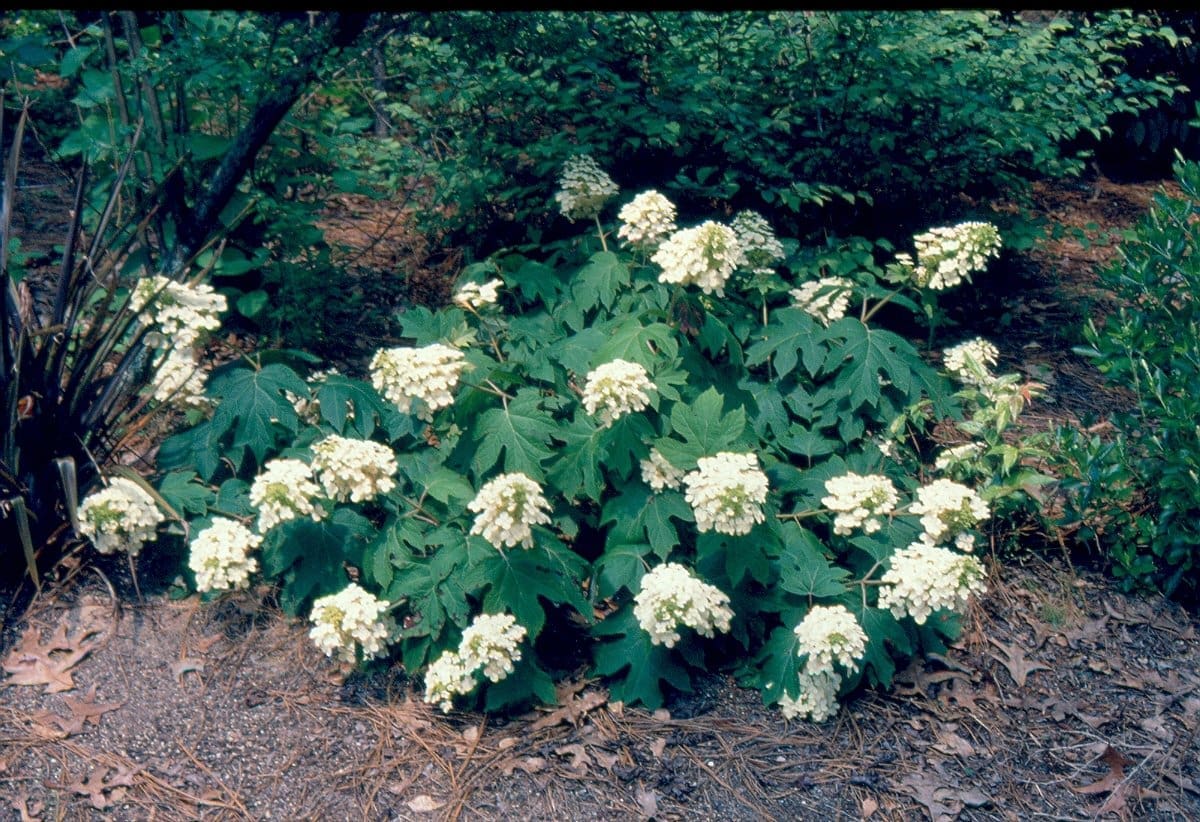
‘Pee Wee’
‘Pee Wee’ Hydrangea quercifolia – This is a dwarf version that grows to about 3’ x 3’ and blooms white. Oakleaf hydrangeas are a native type. Prune after blooming ends in fall.
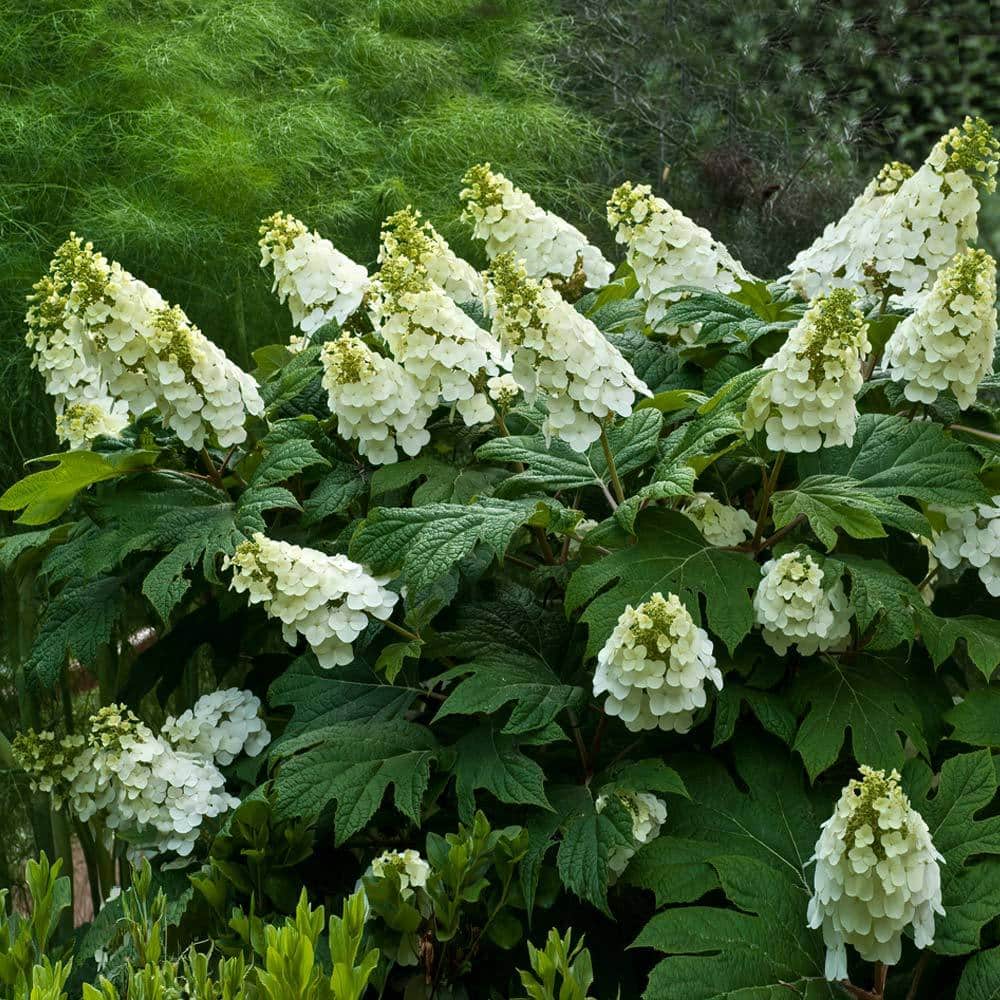
Alice’ Hydrangea quercifolia
‘Alice’ Hydrangea quercifolia- This hydrangea grows to about 6’ – 8’ x 6’ – 8’ and blooms white. It is a native variety and is pruned after blooming ends in fall. This type is known for pest and disease resistance.
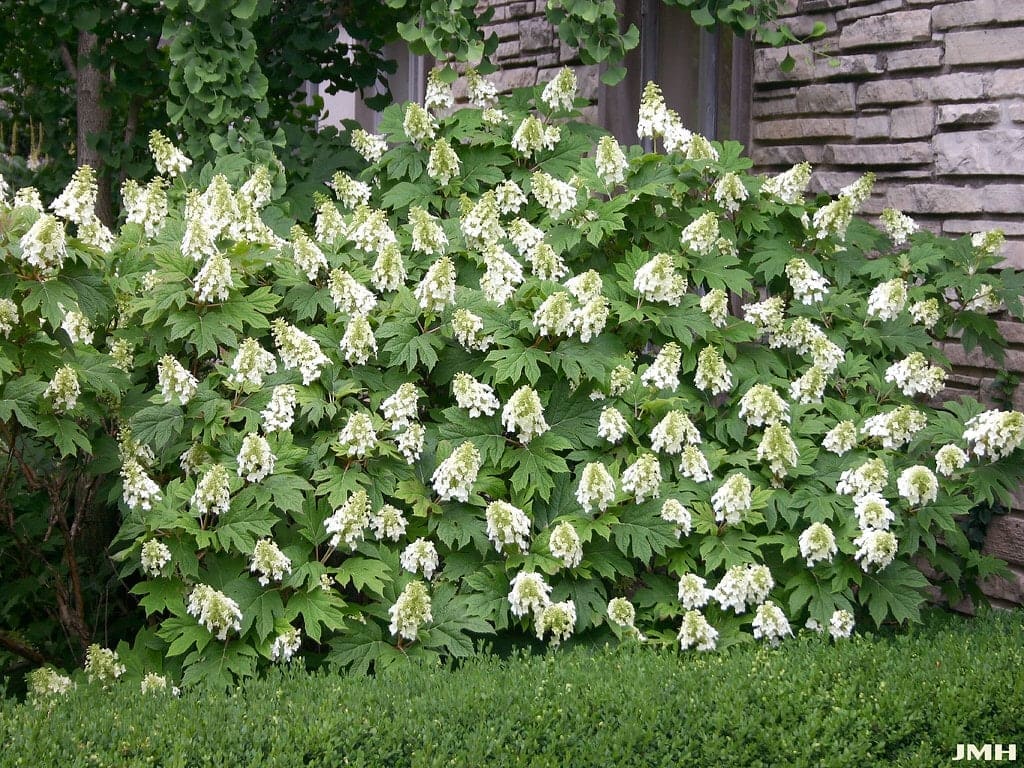
‘Snow queen’
‘Snow queen’ Hydrangea quercifolia – This hydrangea grows to about 6’ x 6’ and blooms white. It is a native variety and is pruned after blooming ends in fall.

Shade Hydrangeas

These hydrangeas can tolerate partial sun but prefer full shade
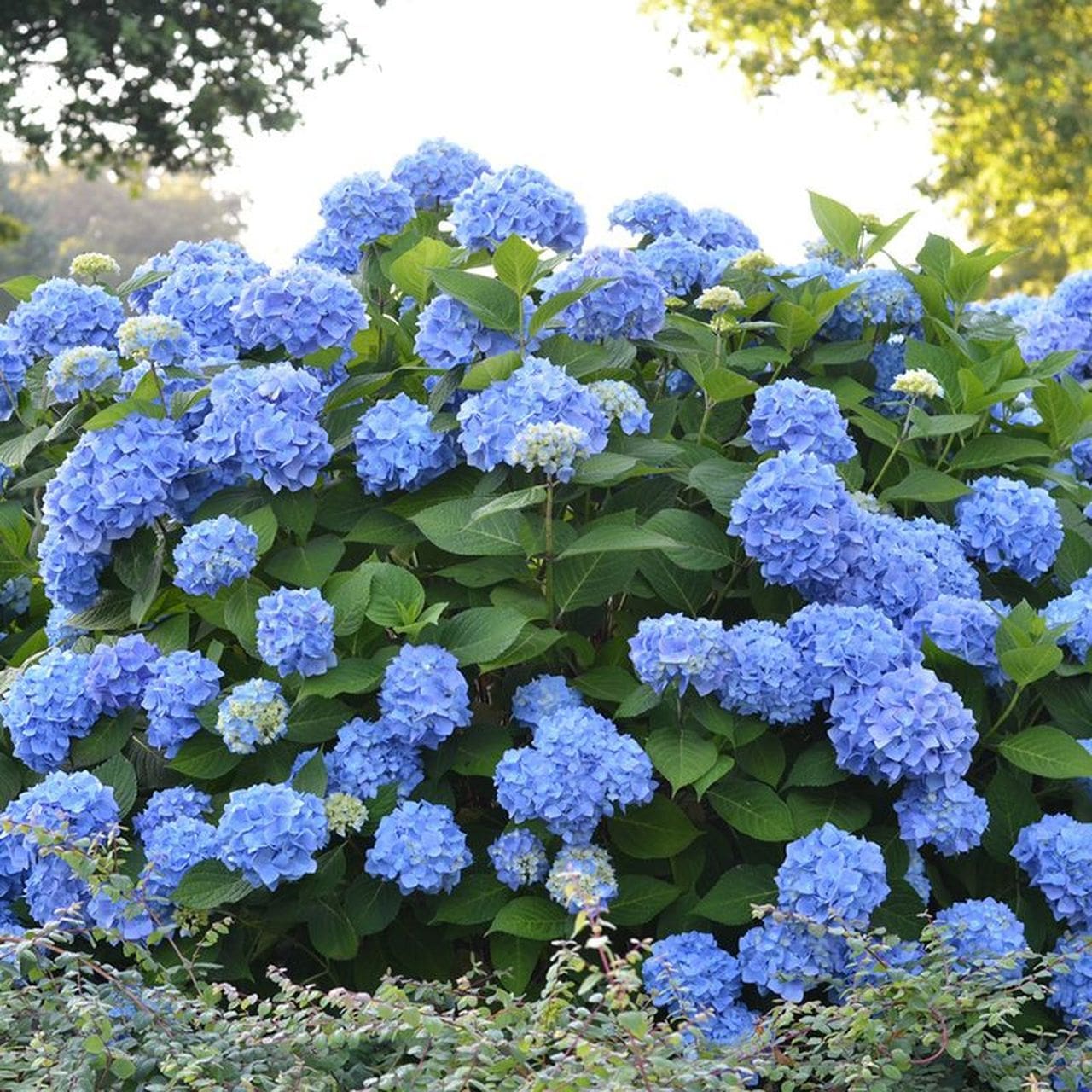
Endless Summer Bloomstruck
‘Endless Summer Bloomstruck’ Hydrangea macrophylla
These beauties grow to about 4’ x 4’ and bloom ranging from purple to pink depending on pH of soil. More acidic soil makes them more blueish purple and lime can help them to turn pink. The endless summer collection can bloom on old and new growth enabling them to be pruned throughout the year.
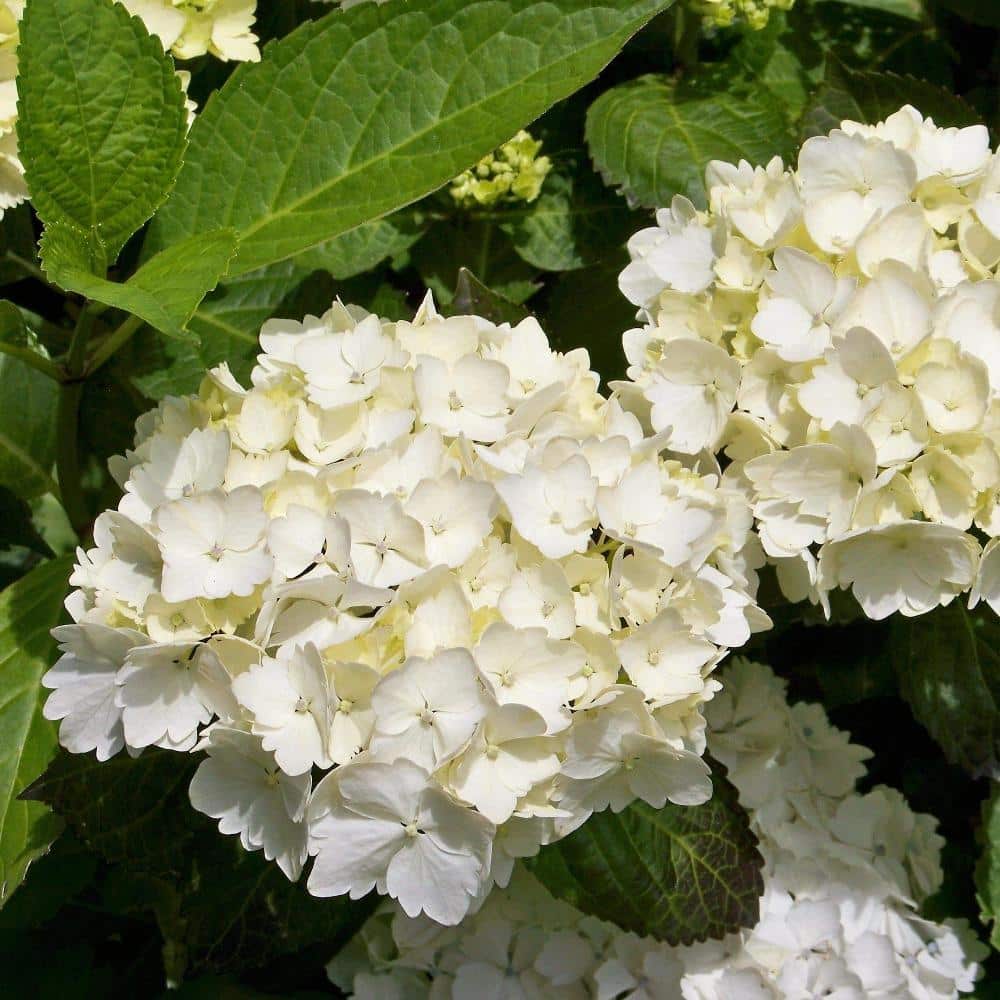
endless summer blushing bride hydrangea
‘Endless Summer Blushing Bride’ Hydrangea macrophylla-
These grow to about 3’- 6’ x 3’- 6’ and bloom white. The endless summer collection can bloom on old and new growth enabling them to be pruned throughout the year.

With any of these hydrangeas, it is important to know that they need a lot of water and will need to be  watered regularly the first couple seasons after planting until they are established. The ideal time to plant is in the fall!

Stop by the store to shop, and our knowledgeable staff will be happy to help find you the perfect plant for your landscape!

Creating Your Stay-At-Home Oasis

Creating Your Stay-At-Home Oasis

If you’re a gardener, you already know the advantages of spending time outdoors: lower stress levels, less mental fatigue, a boost in creativity and a variety of benefits that can improve health. If you are spending more time working at home, playing with kids or just relaxing, why not make it the best outdoors it can be?

“A backyard oasis can be your own personal escape

says Eric Van Grinsven, a landscape designer with the Gardens of Babylon design team. “It’s the area where you can be when you’re stressed from work or things are getting to you, your little spot you can disappear to or just relax and be surrounded by nature.

Eric offers these tips for turning your outdoor space into a place for retreat, rest and relaxation with well-planned hardscapes, plantings and garden amenities.

A perfect retreat

  • Consider the space: Do you have a large, sweeping yard? A city lot with a moderate amount of space for a garden? Maybe all you have to work with is a deck or balcony.
  • Start by thinking about the sort of feeling you want to generate: Do you prefer a place that’s clean and uncluttered? Or do you see your ideal outdoor sanctuary being lush, full and densely planted?
  • What will it take to maintain your stay-at-home oasis? Can you hire someone to keep an expansive landscape in good order? Do you enjoy doing your own planting, mulching, watering and weeding?

before after nashville landscape

Landscape lights, pavers and plantings turn this plain backyard
in
East Nashville into an attractive retreat.

Find the right balance

In a large landscape, think about the areas where you spend the most time or views that could be visually pleasing, and focus your efforts there, Eric suggests. The same advice goes for smaller areas where it may be more of a challenge to carve out garden space.

“We want to strike a nice balance between planted spaces and open, flex area.” You can maximize the use of space in a small back yard with an equal distribution of hardscape elements, usable area, plantings, and open lawn, for example.

If your retreat is your balcony or deck, consider how much space you have to work with and what the primary goal will be. A collection of potted plants and rail hangers can bring you closer to nature. For a shady balcony, bring on the shade-loving perennials and annuals. Sunny areas can hold containers planted with herbs or a patio tomato or two.

Don’t forget the ‘extras’ for your Stay-at-Home Oasis

  • Lighting: Think about how you want to experience the space after dark, Eric suggests. Landscape lights make a space more usable at night for gatherings with family and friends, and in a new design, accent lights are easier to install as part of the construction process. Lights can also be strategically placed in an existing landscape or patio design.
  • Irrigation: An irrigation system is a big help if you have an extensive lawn of water-hungry fescue, or if your plantings are so extensive it’s difficult to accomplish watering with a hose or sprinklers.
  • Outdoor audio: Music, provided through outdoor speakers via a Bluetooth receiver, can add a soothing layer to your peaceful retreat, or be a lively addition to gatherings of family and friends.
  • The extras: A firepit, custom designed walls, trellises and other hardscape elements, along with containers, statuary, sculpture or other art, specimen trees or shrubs and other amenities make your stay-at-home oasis unique.

You get to experience the world the way it was meant to be, and it’s in your own back yard,” Eric says.

Click here to schedule a free phone consultation or to set up an initial appointment with Gardens of Babylon’s design team (Eric Van Grinsven, Mike Omar, Ryan Fogarty).

Happy Pollinator Week from Gardens of Babylon Landscapes!

Happy Pollinator Week from Gardens of Babylon Landscapes!

While we take time to celebrate all of the things that pollinators do for us, we want to emphasize how important planting for bees, butterflies, birds, bats and beetles can be! Pollinators are one of the most valuable parts of our ecosystem and, unfortunately, due to the excessive use (and misuse) of pesticides (neonicotinoids), herbicide (round-up) and fungicides, these species are encountering an extreme loss of year round food and forage supplies as well as a loss of habitat due to deforestation.

Here’s a short video from co-owner, Matt Kerske, about how you can help pollinators!


Here are a few tips on how you can help our pollinators:

Plant for every season (including milkweed for monarchs)

Support conservation groups

Stop using pesticides and look into natural alternatives (be careful to spray early in the morning or late at night, when pollinators aren’t active)

Plant native species that encourage pollinators to thrive!


At Gardens of Babylon Landscapes, we strongly believe in leaving the weeds for the bees, using natural methods of plant control, and encouraging pollinator growth! We refrain from using any products containing neonicotinoids and we create landscapes that bloom throughout the season to allow for an ample food source for our local pollinators.


Stop by the garden center today to learn more or book a consultation on our website if you’re ready to transform your landscape into a pollinator oasis!


Sources:

https://www.pollinator.org/
https://www.pollinatorsunderpressure.org/