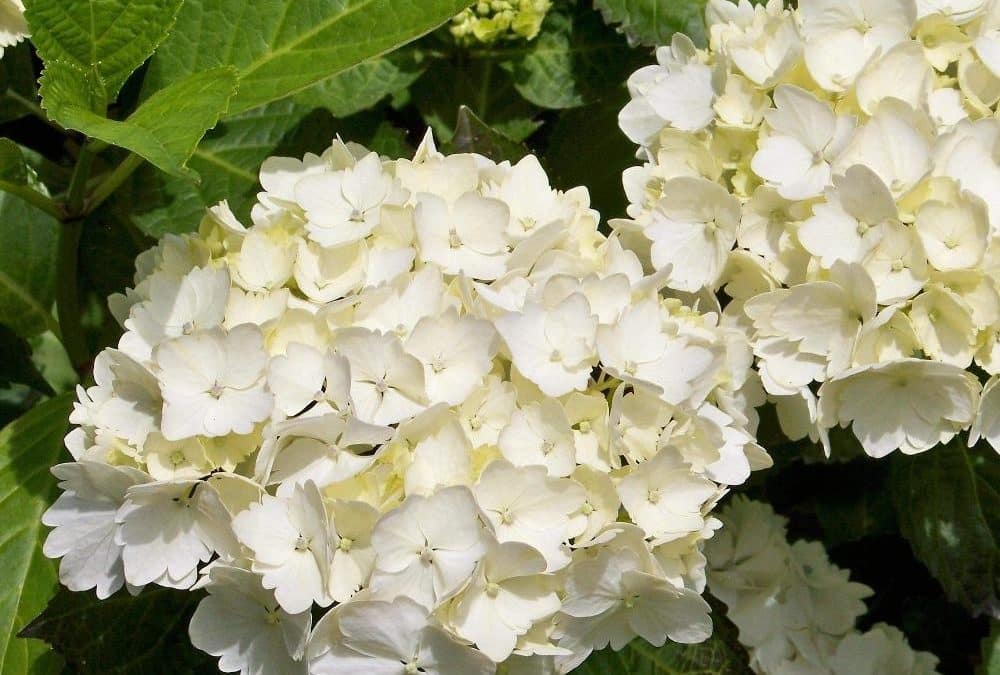
When choosing the right hydrangea, there are a couple things to consider first:
- Will the hydrangea go in full sun, partial sun, or shade?
- What size shrub were you looking for?
- Do you want colorful blooms or just white?
Our staff is happy to help if you need more advice or any help deciding which of these options to go with!
Full Sun Hydrangeas
These hydrangeas can tolerate partial sun but prefer full sun (6-8 hours)
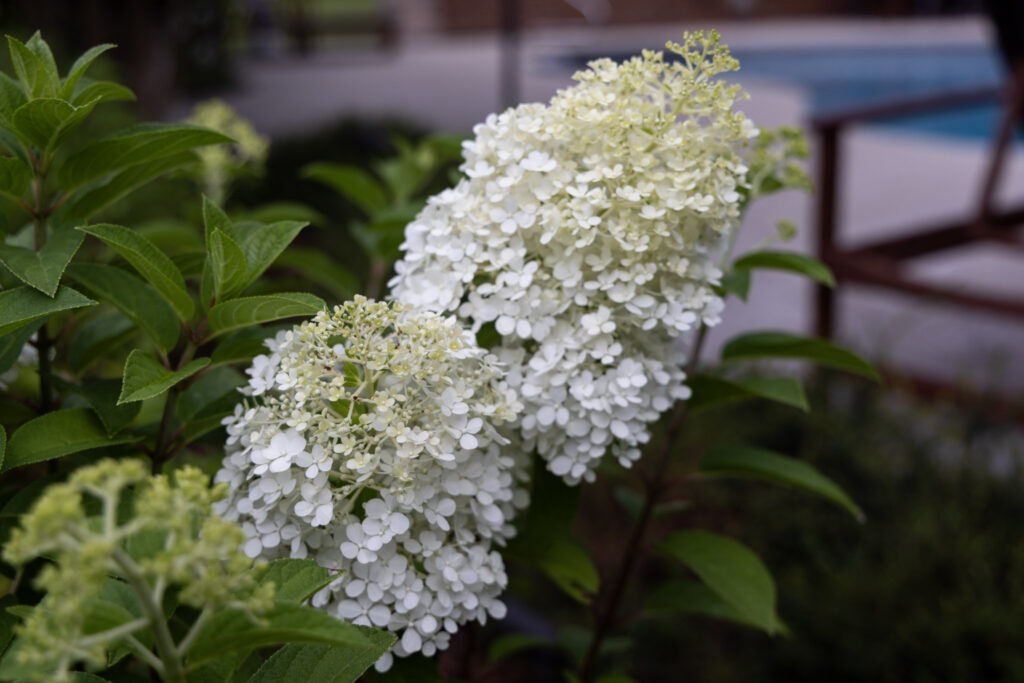 ‘Bobo’ Hydrangea paniculata – This dwarf flowering bush grows to about 3’ x 3’ and blooms during the summer with white blooms. They bloom on new growth and would need to be pruned in late winter or early spring. These make good border plants and have strong stems that do not droop with full blooms.
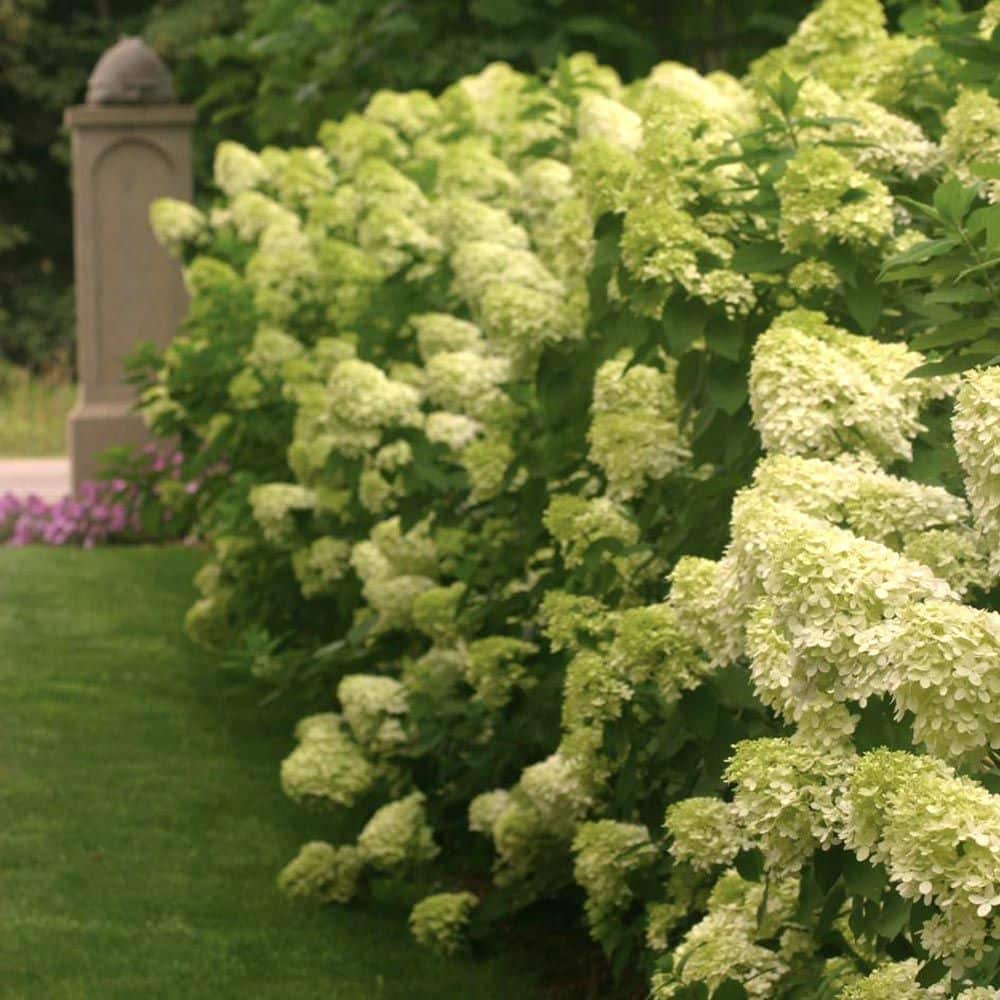
‘Limelight’ Hydrangea paniculata – With white summer blooms that eventually turn white and fade to a rosy shade, these grow to about 6’- 8’ x 6’- 8’. They bloom on new growth and need to be pruned in late winter or early spring. Stems occasionally need support when in bloom.
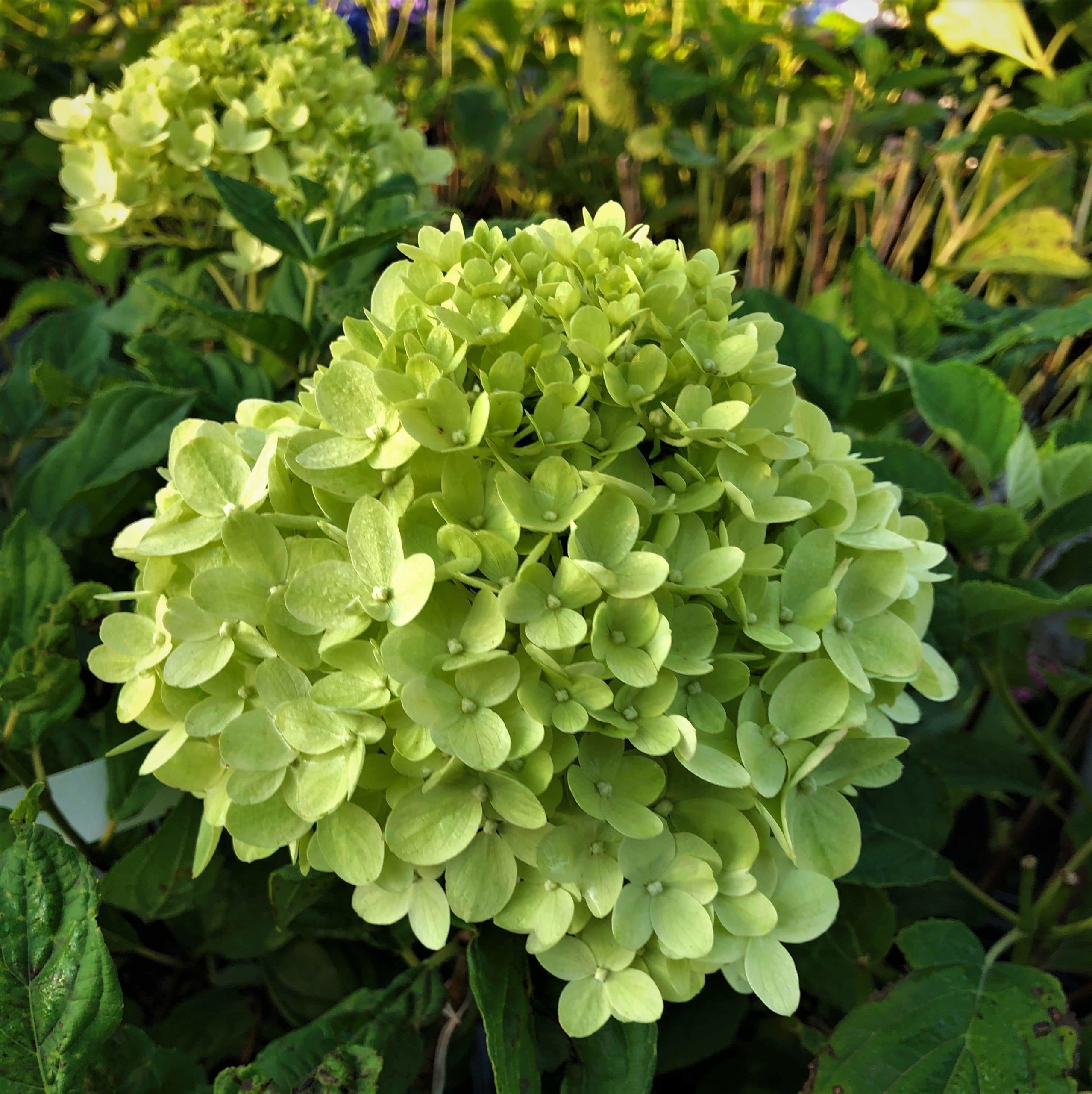
‘Little Lime’ Hydrangea paniculata – This is a dwarf form of
the Limelight and grows to about 3’- 5’ x 3’- 5’.
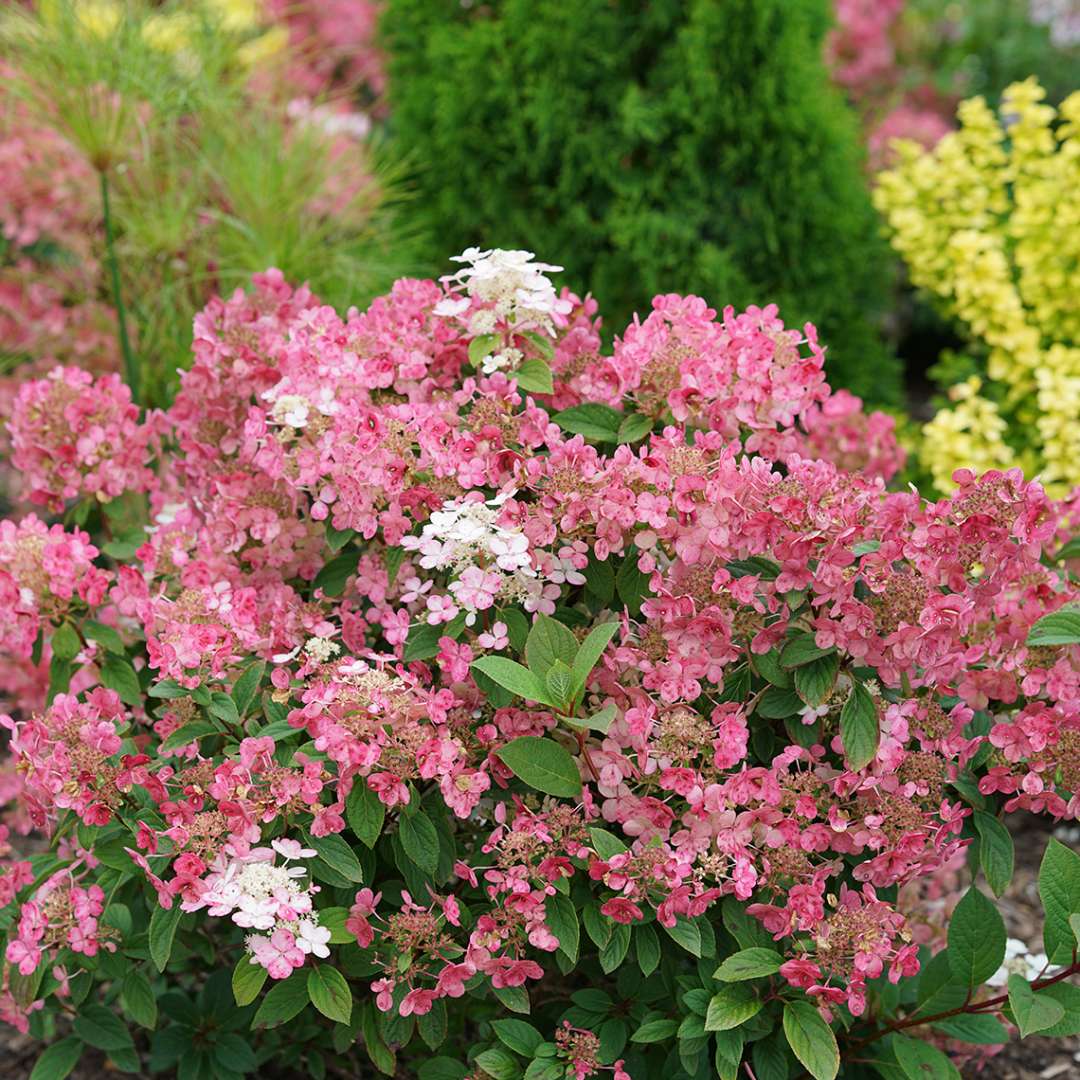
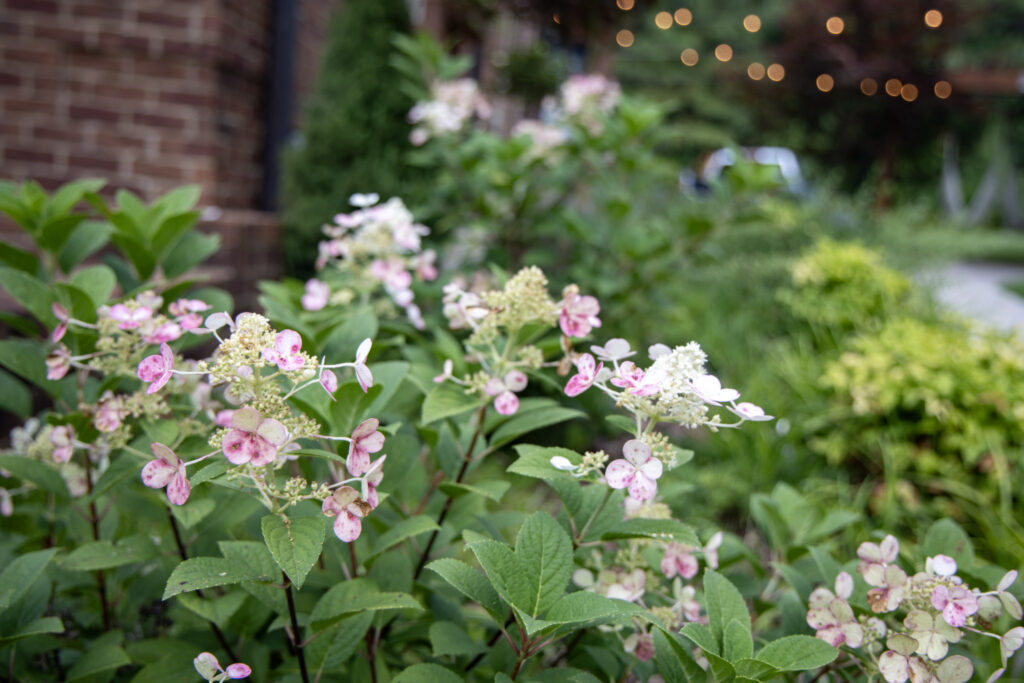
‘Quick Fire’ Hydrangea paniculata – This bush grows
to about 6’- 8’ x 6’- 8’ and blooms white fading to red into
the fall. They need to be pruned in late winter or early spring. This hydrangea begins blooming in the summer about 1 month before other summer blooming hydrangeas.
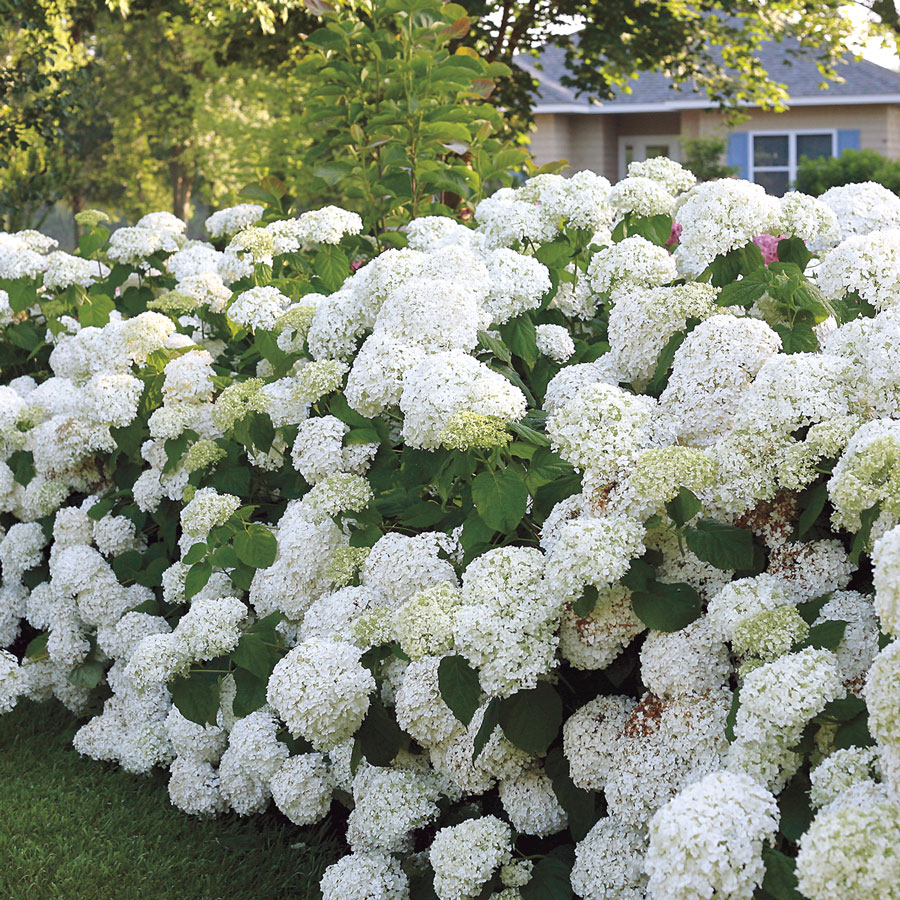
‘Incrediball’ Hydrangea arborescens – This gorgeous white flower grows to about 5’ x 5’ and is a native type. The
Incrediball is an improved variety of the Annabelle that has larger white blooms and sturdier stems to support them.
Cut back in late winter to early spring.

‘Annabelle’ Hydrangea arborescens – These flowers grows to about 5’ x 5’ and is a native type. These hydrangeas
bloom white and make a nice addition to rain gardens.
Partial Sun Hydrangeas
These hydrangeas can handle shade but prefer partial sun (4-6 hours)
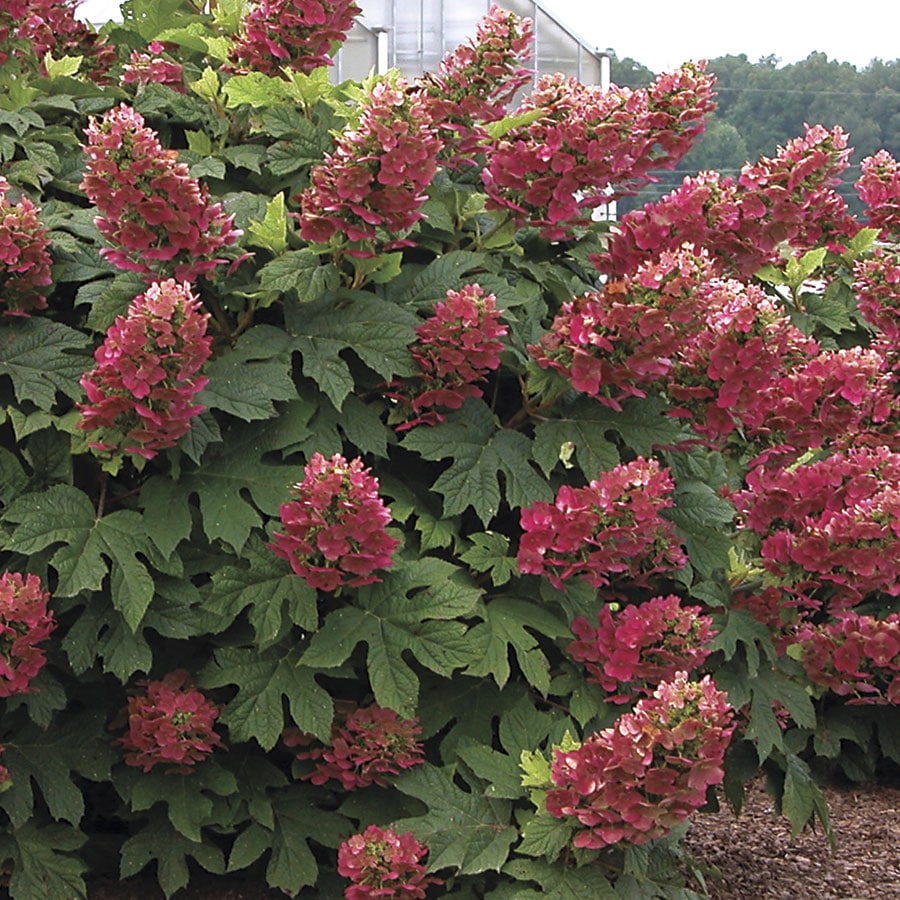
‘Ruby Slippers’ Hydrangea quercifolia – This is a dwarf hydrangea that grows to about 4’ x 4’ and blooms white fading to red. Oakleaf hydrangeas are a native type. Prune after blooming ends in fall.
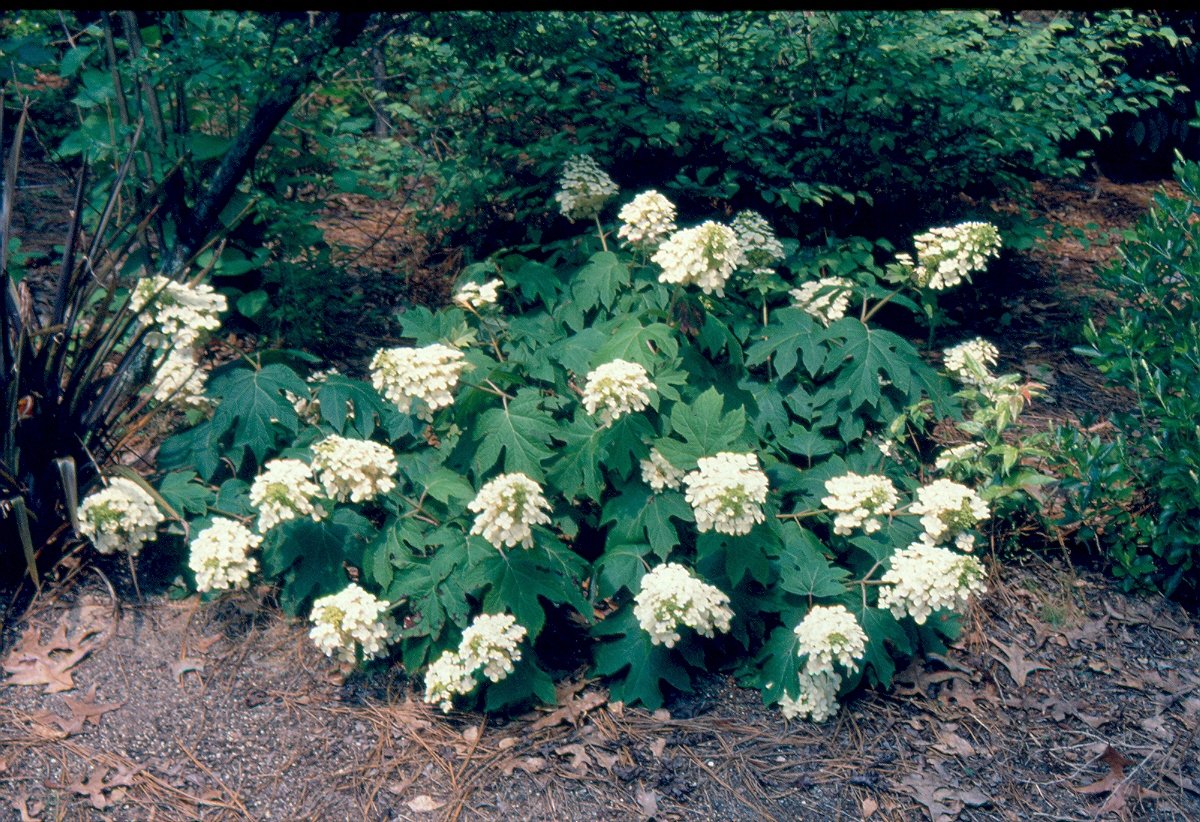
‘Pee Wee’ Hydrangea quercifolia – This is a dwarf version that grows to about 3’ x 3’ and blooms white. Oakleaf hydrangeas are a native type. Prune after blooming ends in fall.
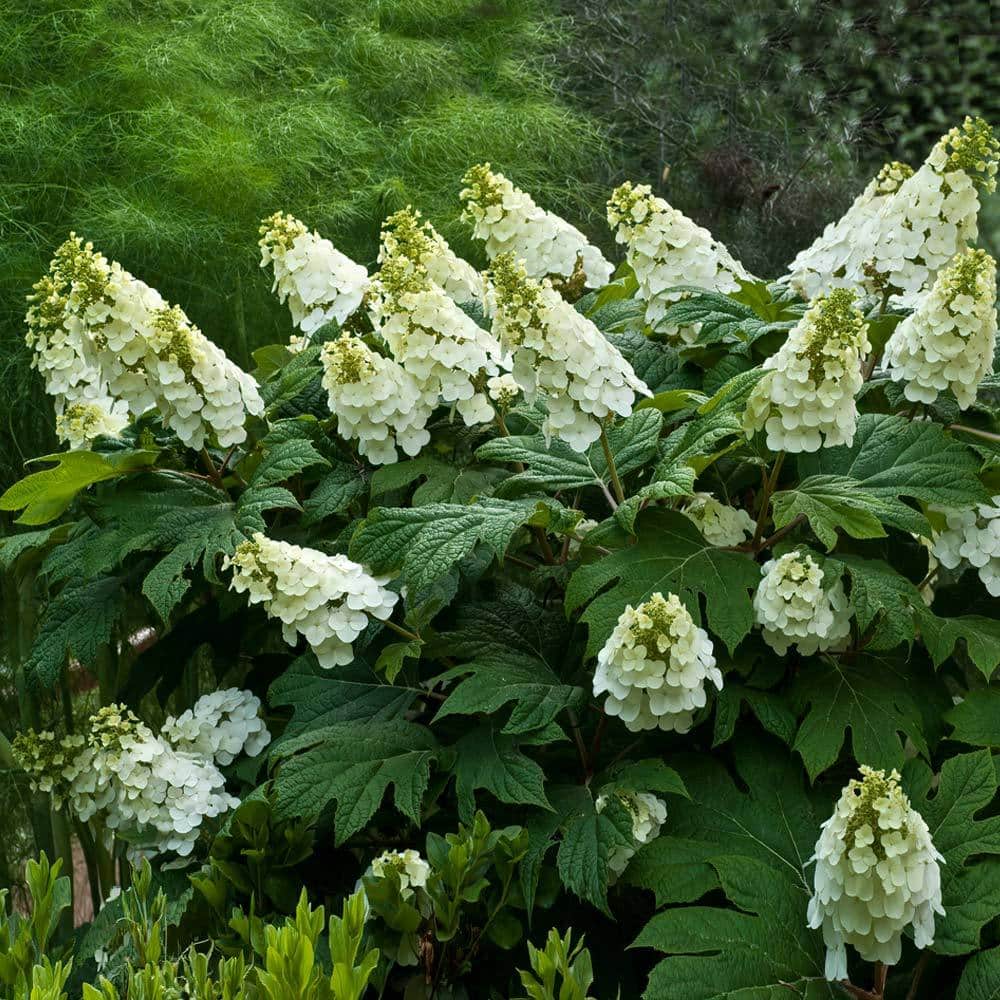
‘Alice’ Hydrangea quercifolia- This hydrangea grows to about 6’ – 8’ x 6’ – 8’ and blooms white. It is a native variety and is pruned after blooming ends in fall. This type is known for pest and disease resistance.
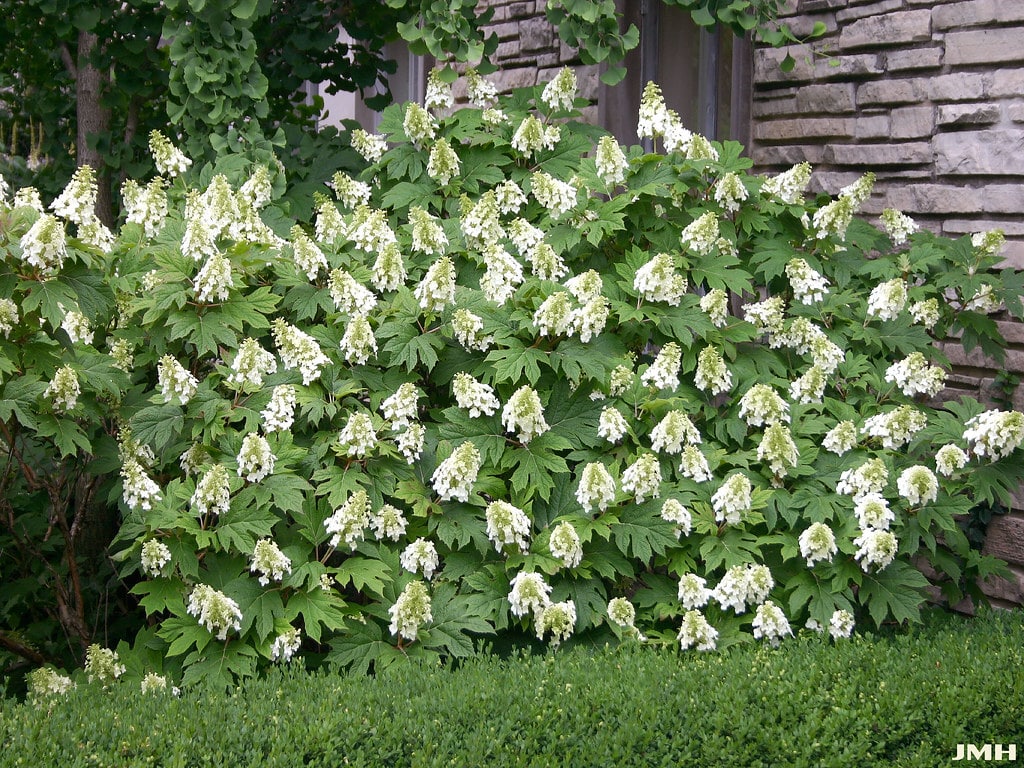
‘Snow queen’ Hydrangea quercifolia – This hydrangea grows to about 6’ x 6’ and blooms white. It is a native variety and is pruned after blooming ends in fall.
Shade Hydrangeas
These hydrangeas can tolerate partial sun but prefer full shade
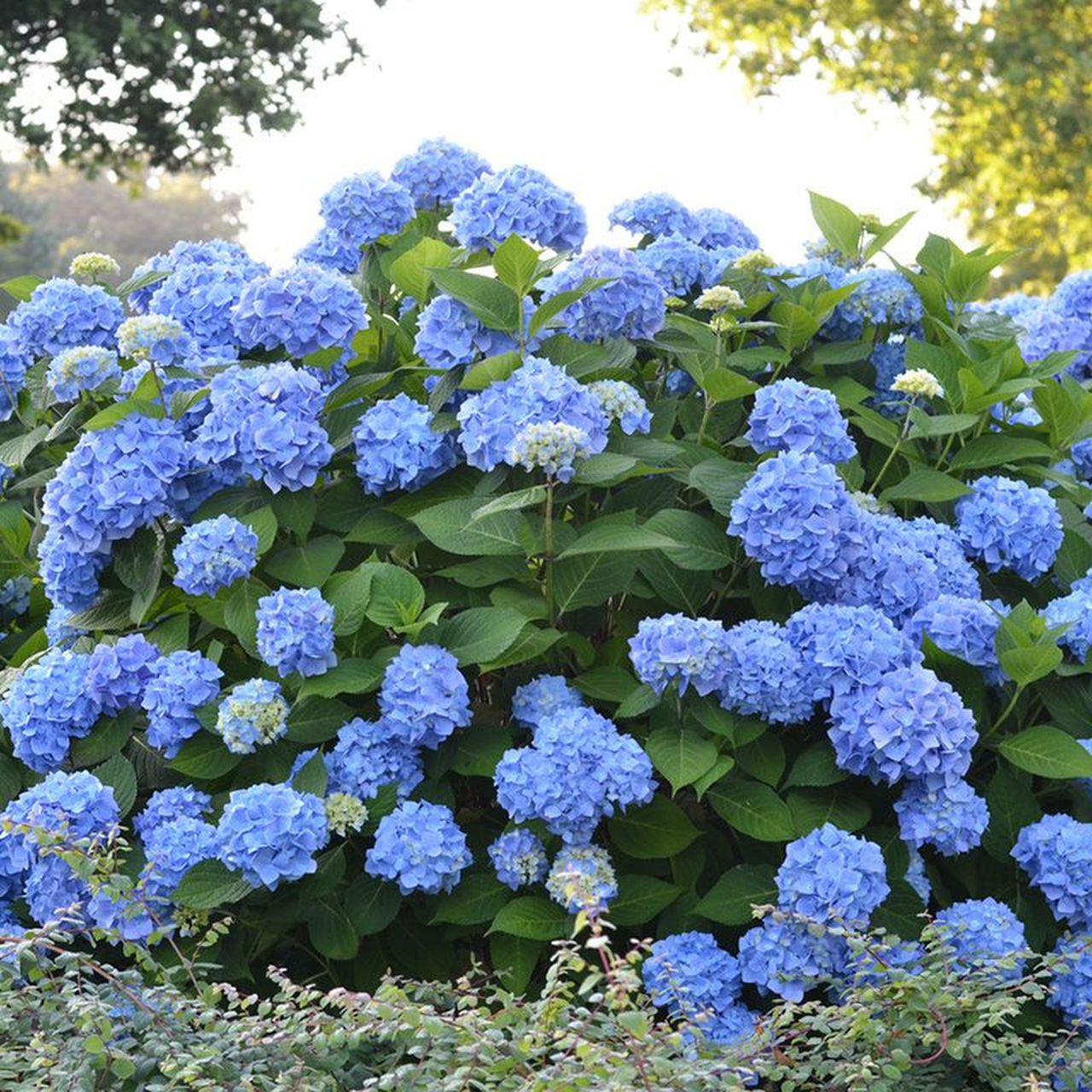
‘Endless Summer Bloomstruck’ Hydrangea macrophylla –
These beauties grow to about 4’ x 4’ and bloom ranging from purple to pink depending on pH of soil. More acidic soil makes them more blueish purple and lime can help them to turn pink. The endless summer collection can bloom on old and new growth enabling them to be pruned throughout the year.
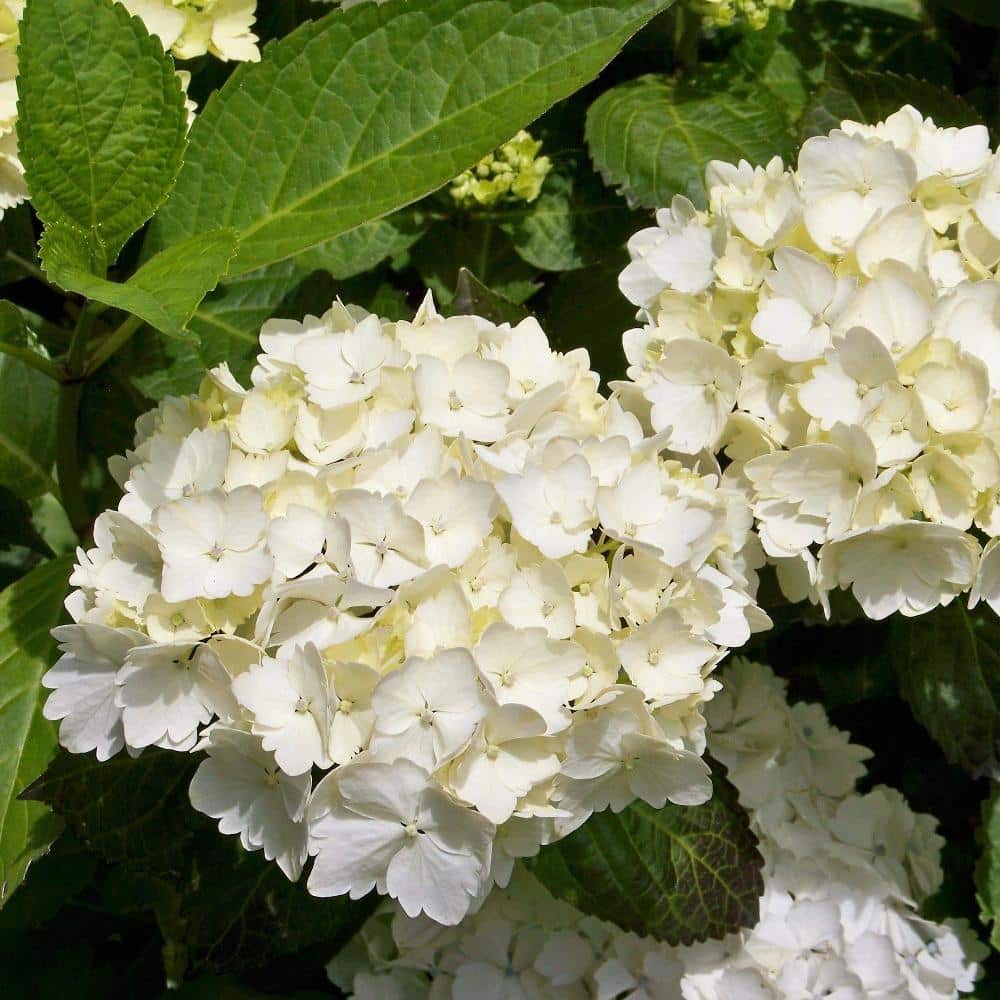
‘Endless Summer Blushing Bride’ Hydrangea macrophylla-
These grow to about 3’- 6’ x 3’- 6’ and bloom white. The endless summer collection can bloom on old and new growth enabling them to be pruned throughout the year.
With any of these hydrangeas, it is important to know that they need a lot of water and will need to be watered regularly the first couple seasons after planting until they are established. The ideal time to plant is in the fall!
Stop by the store to shop, and our knowledgeable staff will be happy to help find you the perfect plant for your landscape!