Getting your yard ready for spring in the winter can be an intimidating task; however, with a little bit of planning and preparation, it can go a long way in ensuring that your yard is looking its best come spring. Here are five ways to rejuvenate your yard in winter before spring arrives:
Redefine garden bed edges
Redefining garden bed edges can be a great way to add style and structure to your outdoor living space. There are many options for materials you can use, such as brick, stone, or even wood. Consider the size of your space when designing the shape of your garden bed edge, how it might fit into existing landscaping features in your yard, and what type of plants you plan on adding to complete the look. For example creating curves with softer edged material such as wood may bring a more natural feel to an area while sharper angles may make more commanding statement with brick or stones being used. Whichever material and design shape you decide upon adding well–defined edges can give life to any outdoor environment!
Refresh mulch
Refreshing mulch in garden and flower beds is an important part of maintaining a healthy, lush outdoor environment. Not only does it look great, but new mulch can help suppress weed growth and also helps keep moisture in the soil as well as provide nutrients to plants. To refresh your existing beds with fresh material, start by removing the old layers of wood chips or bark and discarding them away from the garden area. Once you have done this, rake any debris out of the bed before reapplying a layer of new mulch or compost mix two to four inches thick; top-dressing with 1/4 inch layer will give your bed some extra color too! In order for your fresh mulch to work most efficiently apply every spring or summer for best results – remember that sometimes less really is more when it comes to freshening up drab outdoor spaces!
Add to existing beds
Planning a garden in the winter for spring allows gardeners to think ahead, and make sure their plans will be well thought out. This is especially important if one wants to start from scratch. The first step should always be deciding what kinds of plants are desired and researching which ones are best suited for your climate zone, as well sun exposure needed. Once the optimal plants have been chosen, then it’s time to choose a location that has ample soil that receives enough sunlight or shade depending on the plant‘s needs. A gardener can then map out where they would like different types of flowers and vegetables to go while taking into account space–saving options such as vertical gardening with climbing vines or trellises if possible. Finally, decide when seedlings should be planted so everything will be ready by springtime!
Apply corn gluten to stop weeds
Applying organic preemergent corn gluten to lawns in early spring is an effective way to prevent weeds from germinating. This natural, plant–derived product acts like a herbicide and essentially creates an invisible barrier that will stop the growth of weed seeds before they even have a chance to germinate. When applied properly and in timely intervals, organic preemergent corn gluten can offer excellent protection against early–spring creeping grass patches such as crabgrass, goosegrass and foxtails. Unfortunately it cannot be used successfully if the area has already been seeded or landscaped – so timing is key!
Reshape foundation plantings
Reshaping foundation shrubs in and around your house is an excellent way to add character, soften the façade of your home, and provide year–round privacy. From pruning service companies to DIY guides on YouTube, there are plenty of ways to learn how to start tackling this project yourself. Before you begin trimming or reshaping with hedge clippers and electric shears, be sure that you know which types of plants can handle different levels of cutting back — some shrubs may require more gentle pruning than others. With careful consideration for each shrub‘s size, age and growing habits you‘ll create a beautiful look while keeping them healthy over time!
—
Are your neighbors leaves blowing into your yard? Let us help with a late winter cleanup.
Here are some tips to keep your landscaping happy in January! And if you were affected by the cold this winter, be sure to read our messagehereabout how to care for plants you believe may be damaged.
As winter blankets our landscapes, the importance of strategic care becomes paramount. Explore our curated January Landscaping Tips, meticulously crafted by our seasoned plant experts, to navigate this dormant season precisely. From refined mowing practices to expert insights on tree planting, embark on a journey to elevate your garden to a realm of botanical excellence. Let the dormant months be a canvas for professional yet nurturing horticultural practices. Your garden deserves nothing less than the expertise encapsulated in this guide
Mowing and Debris Removal
Embrace dry winter days for gentle lawn maintenance, including mowing and removal of fallen leaves and pine needles. This not only enhances the lawn’s aesthetics but promotes better air circulation and sunlight absorption.
Winter Weed Inspection and Mulching
Conduct a meticulous inspection for winter weeds, proactively removing intruders. Apply a generous layer of mulch to disrupt the weed seed germination cycle, setting the stage for a weed-free spring and enhancing the garden’s overall appearance.
Introduction of Evergreens and Trees
Optimize winter’s dormancy by introducing hardy evergreens, shrubs, and fruit or shade trees to your landscape. Planting during this period provides a head start for these additions, allowing them to establish a robust root system before spring growth.
Transplanting Established Trees and Shrubs
For horticultural enthusiasts, winter provides an ideal climate for transplanting established trees and shrubs. Ensure the ground isn’t frozen or overly saturated for a seamless relocation of mature specimens, capitalizing on their temporary dormancy.
Strategic Pruning
Winter pruning becomes an art form, requiring finesse and purpose. Avoid “topping” and adopt a strategic approach to eliminate stubs. Corrective pruning and shaping are particularly beneficial for overgrown shrubs during dormancy, promoting healthier responses.
Maintenance of Tools and Power Equipment
In the spirit of preparedness, maintain gardening tools by cleaning, sharpening, and repairing them. Schedule servicing for power equipment such as mowers, edgers, and trimmers to ensure optimal performance and longevity.
Continued Mulching for Lawn Health
As leaves gracefully fall, continue mulching to keep the lawn free from debris. This isn’t just cosmetic but a strategic move to reduce disease and insect problems, fostering an environment where potential threats find fewer footholds.
January Landscaping Tips
If you’re ready to start checking off your 2024 To-dos, Gardens of Babylon Landscapes is here to help! Whether you are interested in beginning a new landscape project or adding to an existing one in 2023, January is a great time to start planning the landscape of your dreams! To get started, schedule a call with one of our talented design team members.
Caring for a Bonsai tree is not nearly as hard as is commonly thought. However, as Bonsai trees are planted in small pots a few basic guidelines have to be followed when watering, fertilizing and repotting your trees.
Watering Bonsai trees
Water your trees when the soil gets slightly dry. This means you should not water your tree when the soil is still wet but only when it feels slightly dry; use your fingers to check the soil at around one centimeter deep. But never let a tree dry out completely! Once you get more experienced you will be able to see (instead of feel) when a tree needs watering.
Use the right soil-mixture. The soil-mixture greatly influences how often trees need to be watered, for most Bonsai trees a mixture of akadama, pumice and lava rock mixed together in a ratio of ½ to ¼ to ¼ should be fine. However, use a mixture that retains more water (by using more akadama, or even potting compost) when you cannot water your trees that regularly. Read the Bonsai soil mixtures article for more information.
Fertilizing Bonsai
Fertilizing regularly during the growth season is crucial for your Bonsai to survive. Normal trees are able to extend their root system looking for nutrients; Bonsai however are planted in rather small pots and need to be fertilized in order to replenish the soil’s nutritional content.
Most Bonsai trees should be fertilized during the entire growth season of the tree; from early spring till mid autumn.
Location for your tree
Indoor Bonsai location
In most houses the only place where a Bonsai will do well is right at a South facing window, as lots of light is crucial for the health of your tree. When placed even just a few feet away from a window the light intensity will drop significantly, slowing down growth and ultimately killing your Bonsai.
Outdoor Bonsai location
Depending on where you live, most trees need to be placed outside year-round. The annual cycle is crucial for the health of most trees; overprotecting your tree in the winter season for example will weaken your tree. Make sure to establish what tree species you have.
Gardens of Babylon continues to bring in new items that make perfect gifts for the gardeners and nature-lovers on your Christmas list. Check out these ideas for specialty gifts and everyday surprises:
Gemstones: For collectors or for those who merely enjoy small, lovely objects, there is a wide range of gemstones to choose from in the garden center and online. Citrine, quartz, amethyst. Labradorite, azurite, selenite. Small and large polished geodes.
“We have a lot of new and unique gemstones, and special species gemstones, some that are larger and more rare,” says Garden Center manager Neil Anderson.
Candles & fragrance: Soy candles from P.F. Candle Company offer the giftee the fragrances in a home: Amber & Moss, Sandalwood Rose, Patchouli Sweetgrass, Piñon and more. Candles in the P.F. collection are made with 100% domestically- grown soy was and are vegan, cruelty-free and phthalate-free, and come in small (3.5 oz.) or larger (7.2 oz.) sizes. Incense cones and hand-dipped incense sticks are other fragrance options.
Holiday plants: A blooming amaryllis brings cheer to any home during the holidays. Or for the DIYer, present amaryllis bulb planted in an attractive pot, ready to bloom later to bright a winter day.
For something more long lasting, a Norfolk Island pine is the perfect house plant that, carefully decorated, doubles as a tiny Christmas tree.
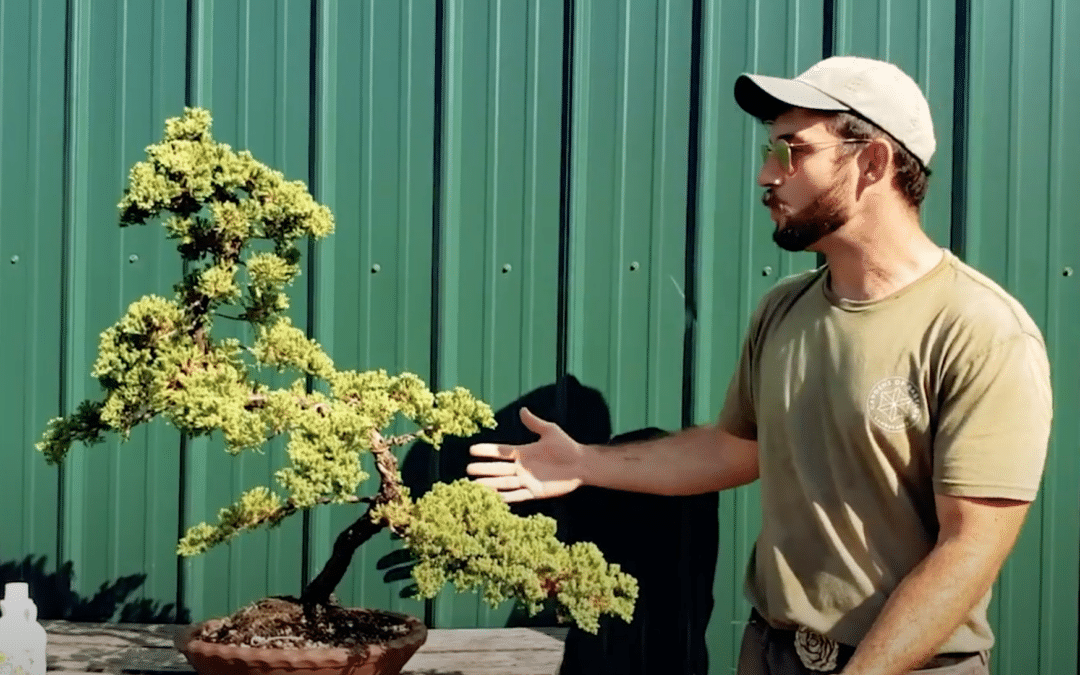
Specialty plants: Bonsai can be a striking addition to home décor, and an absorbing hobby for plant lovers. Bonsai specimens at Gardens of Babylon include outdoor and indoor species, and range from the fairly common juniper to the more exotic European olive trees. A pair of bonsai shears helps keep the tree in good shape.
Other specialty plants, from air plants to orchids to Venus flytraps, can be welcome gifts for indoor gardeners. Monsteras in all sizes, philodendrons in various shapes and shades, delicate palms and ferns are among indoor plant gift-able favorites.
The garden center features a wide selection of glazed and terra cotta pottery to display the plants at their best.
Tools & Accessories: If your giftee is among the record number of gardeners who started gardening during the pandemic, recent research indicates that they’ll likely still be enjoying a garden in 2021. Maybe they have all the tools they need now, but would still appreciate a different weeding tool or a new pair of pruners. And you can never go wrong in gifting new gardening gloves.
Stocking stuffers: Seed packets tuck nicely into a Christmas stocking, and a selection of flower and vegetable seeds may be the perfect small but special gift for the dedicated kitchen or cutting-garden gardener. A display of Teeny Tiny Terra Cotta in the garden shop, planted with moss or a tiny plant for your friends or yourself, is too cute to resist.
And as always, when in doubt, you can never go wrong with a Gardens of Babylon gift card. Gift card amounts range from $25 to $1,000, and can be redeemed for either garden center products or landscape services.
Christmas trees and wreaths are available in the Online Shop; garland is available in-store. Gift-able items continue to arrive at the Gardens of Babylon Garden Center from now until Christmas.
The holiday season is full of events and celebrations but also can be very stressful while you are trying to find a unique and special gift. Orchids are a perfect holiday gift for your family, friends, host or hostess of the party you are invited to. Watch as Brennan walks you through orchid care tips and tricks to help them stay happy and blooming after you receive one as a gift (or treat yourself to a new plant)!
They are a long blooming gift.
Orchids can bloom anywhere from weeks to months
Striking, elegant, exotic and unique – perfect gifts!
These plants are stunning and you can arrange them quite nicely to become an extraordinary and very impressive gift!
Orchids need very little care.
They’re very low-maintenance plants and need watering once every week or 2 to stay happy. Fertilize frequently during the growing season. Orchids thrive in bright, indirect sunlight. If you’re growing your orchids indoors, place them near a east- or west-facing window. One of the most common mistakes people make when caring for orchids is overwatering. Orchids don’t like their roots to sit in water, so it’s important to let the potting mix dry out between waterings. Water your orchids about once a week, or when the potting mix feels dry to the touch.
Safe for pets and people!
Orchids don’t have loose pollen grains and it makes them a safe gift for allergy sufferers. Also, orchids are safe for pets.
These plants make truly unique gifts that any plant lover would surely love to receive. We have tons in stock right now!