by Gardens of Babylon | Jul 8, 2024
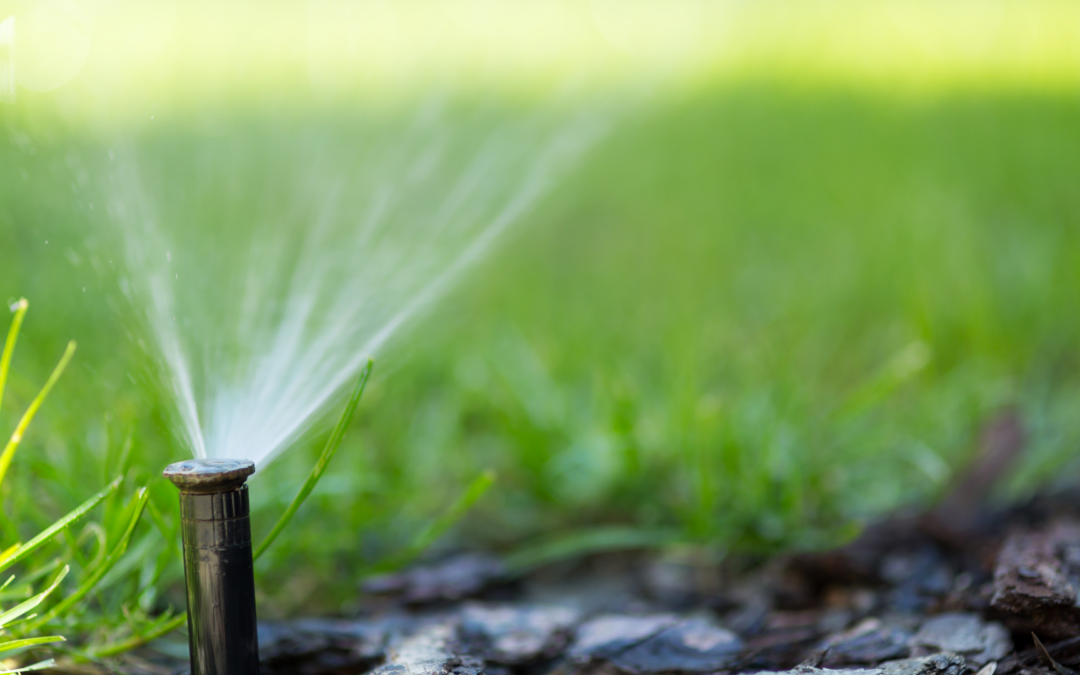
As the weather cools and plants enter their dormant season from November to February, it’s crucial to adjust your watering schedule to ensure their health and protection during winter. At Gardens of Babylon, we provide specific guidelines to care for your landscape during these colder months.
Why Dormant Season Care is Important
Even though plants grow more slowly or seem inactive during the dormant season, they still require proper watering to maintain their health. Adequate moisture helps prevent winter burn, keeps roots healthy, and prepares plants for a vigorous spring growth spurt.
Watering Guidelines for November to February
- Initial Heavy Watering: When planting new trees, shrubs, or perennials between December 1 and March 1, it’s essential to start with an initial heavy watering. Immediately After Planting, hand water heavily at least once or twice. This helps the roots establish and reduces transplant shock.
- Ongoing Watering: Although natural precipitation is typically higher during the winter months in Middle Tennessee, supplemental watering may still be necessary, especially during dry spells.
- Monitor Soil Moisture: Regularly check the soil about 2 inches deep. If the soil feels dry, it’s time to water. This prevents plants from becoming too dry and susceptible to winter damage.
- Protect from Winter Burn: Ensure plants, especially evergreens, are well-hydrated to prevent winter burn. This condition occurs when plants lose moisture faster than they can absorb it from frozen ground.
- Regular Monitoring and Adjustments: Even in the dormant season, it’s crucial to keep an eye on your landscape.
- Check Irrigation Systems: Make sure irrigation systems are functioning correctly and reaching all plants without overwatering.
- Inspect Plant Health: Look for signs of distress, such as discolored or wilting leaves, which could indicate improper watering or other issues.
- Winterizing Your Irrigation System: To protect your irrigation system from freezing temperatures, winterize it properly. Drain water from pipes and hoses and insulate any exposed parts to prevent freezing and damage. Set irrigation timers to water less frequently, matching the reduced water needs of your plants during the dormant season.
At Gardens of Babylon, we understand the specific needs of landscapes in Middle Tennessee and provide tailored solutions to keep your plants healthy year-round. Our expert team is dedicated to ensuring your landscape thrives, even during the dormant season.
Contact us today to learn more about our winter care services and how we can help you maintain a healthy, beautiful landscape throughout the year. Let us provide the care your plants need to endure the winter and flourish in the spring.
by Gardens of Babylon | Jul 8, 2024
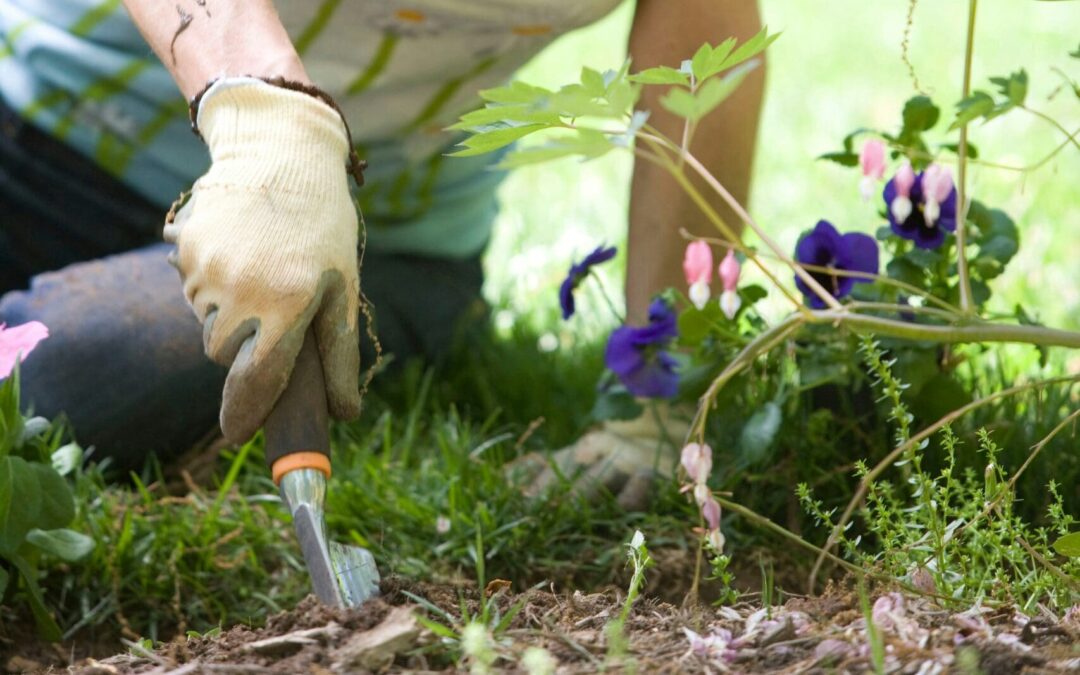
Weeds can be a persistent challenge in maintaining a beautiful landscape. At Gardens of Babylon, we understand that weed pressure can be greater in areas where crews have worked, particularly when installing new mulch and beds. We have tips to help you manage weeds effectively, especially in newly mulched areas, and ensure your landscape remains pristine.
Why Weeds Appear After Mulching
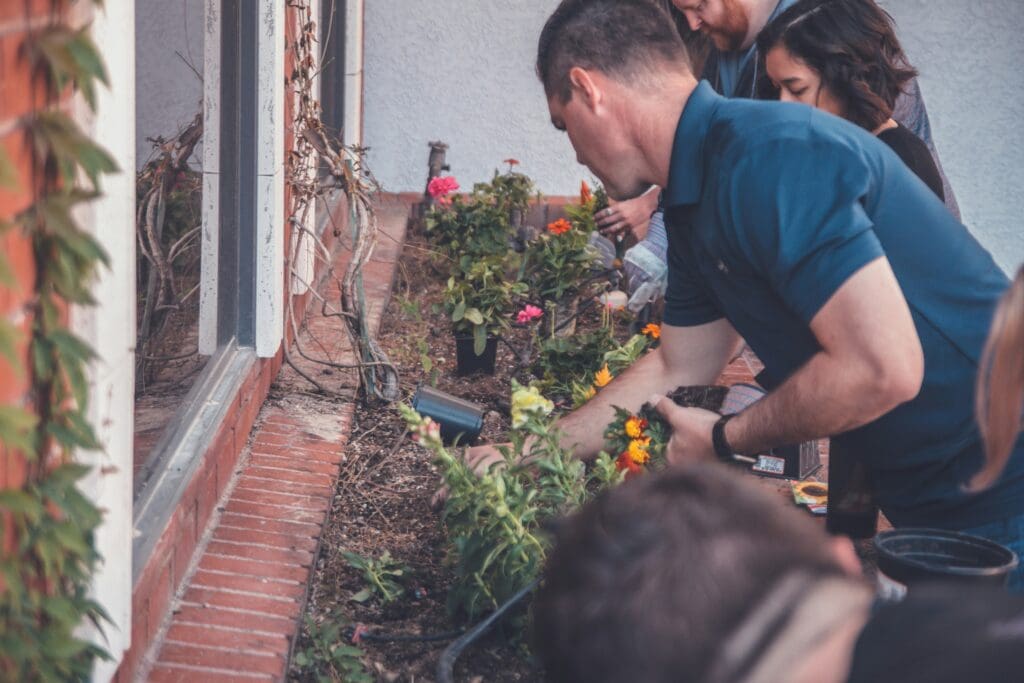
When we install new mulch and beds, the process often involves loosening the soil to create optimal conditions for plant growth. However, this also disturbs dormant weed seeds, bringing them to the surface where they can germinate and grow quickly, especially during warmer months. While this is a natural occurrence, proper management can keep weed growth under control.
Strategies for Effective Weed Management
Regular Monitoring – After installing new mulch and beds, it’s crucial to regularly monitor these areas for weed growth. Early detection and removal can prevent weeds from establishing a foothold and spreading.
- Weekly Inspections: Conduct weekly inspections of newly mulched areas to identify and remove weeds while they are still small.
- Hand Weeding: For small infestations, hand weeding is effective and minimizes soil disturbance.
Mulching Techniques – Proper mulching techniques can significantly reduce weed growth by blocking light from reaching weed seeds and preventing their germination.
- Thick Layer of Mulch: Apply a thick layer of mulch (2-4 inches) to suppress weed growth. Ensure the mulch is spread evenly and not piled against plant stems or tree trunks.
- Quality Mulch: Use high-quality mulch that decomposes slowly and provides long-term weed suppression.
Pre-Emergent Herbicides – In some cases, using pre-emergent herbicides can be an effective strategy to prevent weed seeds from germinating. Whenever possible, choose natural and environmentally friendly options.
- Natural Herbicides: Opt for natural herbicides that are safe for the environment and your plants. These can include products made from corn gluten meal or vinegar solutions.
- Application Timing: Apply pre-emergent herbicides after installing new mulch and beds but before weed seeds have a chance to germinate.
- Safety: Choose herbicides that are safe for the specific plants in your landscape and follow all label instructions.
Mulch Renewal – Regularly renewing mulch helps maintain its effectiveness in suppressing weeds.
- Annual Renewal: Renew mulch annually, adding a fresh layer to maintain the optimal depth and weed-blocking capabilities.
- Disturb Minimally: Disturb the soil as little as possible during the renewal process to avoid bringing new weed seeds to the surface.
Long-Term Benefits of Proper Weed Management
By following these strategies, you can keep weed pressure to a minimum and ensure your landscape remains beautiful and healthy. Proper weed management not only enhances the appearance of your garden but also promotes the health of your plants by reducing competition for nutrients, water, and light.
Why Choose Gardens of Babylon?
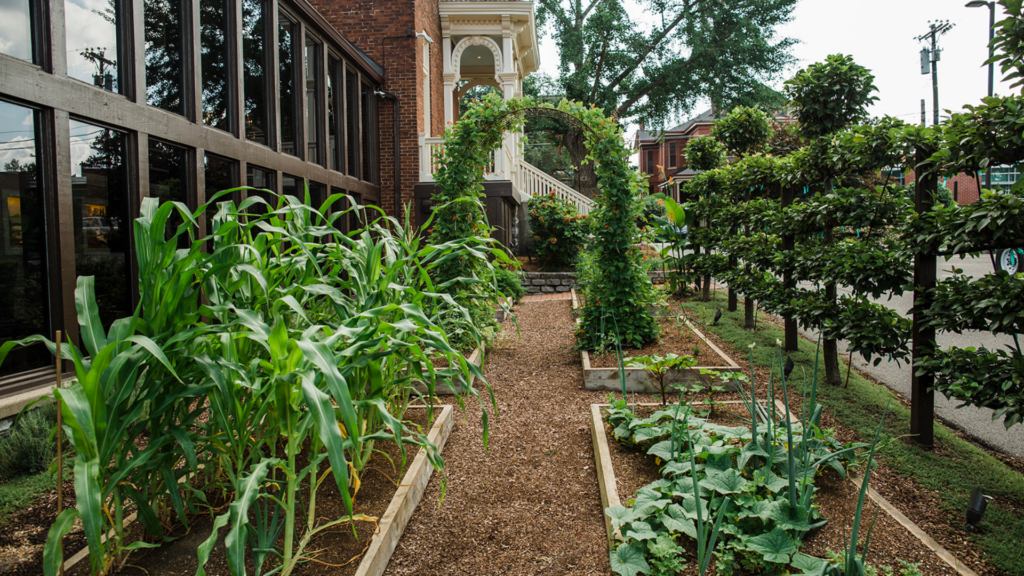
At Gardens of Babylon, we are dedicated to providing expert care and guidance to help you maintain a stunning landscape. Our team is experienced in all aspects of landscape management, including effective weed control. We ensure that newly mulched areas are carefully monitored and maintained to keep your garden looking its best.
Contact us today to learn more about our landscaping services and how we can help you achieve a weed-free, beautiful garden. Let us provide the expertise and care your landscape needs to thrive.
by Gardens of Babylon | Jun 24, 2024
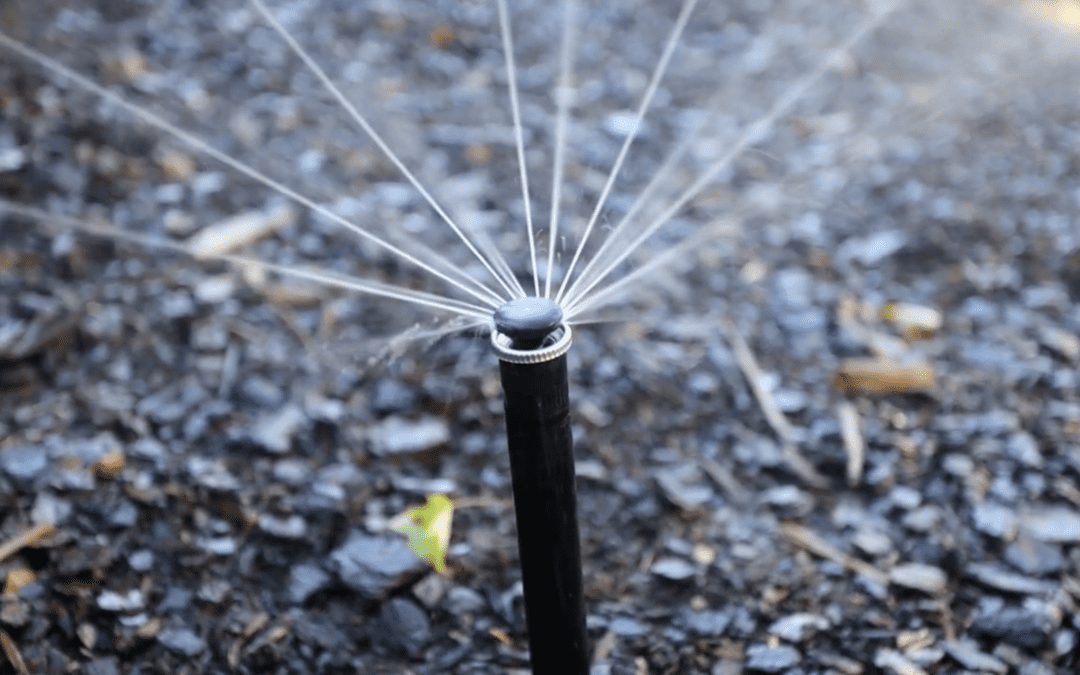
With the summer Olympics just around the corner, we might be thinking about gold more often than usual. But, when it comes to your yard, you want it to be anything but a golden hue this summer. Dry grass, dying plants and malnourished gardens are not ideal. We’re going for the green this summer with irrigation!
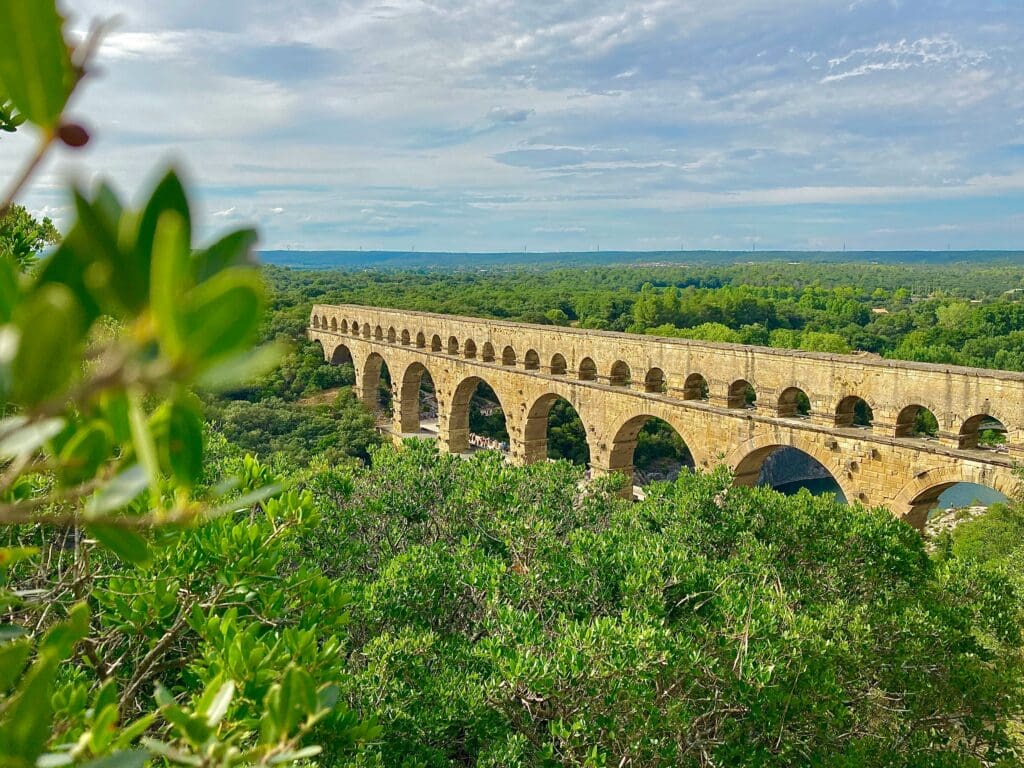
Not only is irrigation good for keeping a yard looking and feeling lush, it’s also a common agricultural practice that’s been used for centuries. The earliest forms started with people carrying buckets of water from wells, rivers or other water sources. Then came canals and aqueducts. And now we have modern sprinkler systems and other irrigation forms.
While the Nashville area is humid, especially in the spring and summer months, that doesn’t always equal precipitation. If you’ve lived in the southeastern U.S. at any point during the summer, then you know it can be unbelievably hot and prone to dry landscapes.
Irrigation can be the solution to protecting your yard and your plants (and also local wildlife and insects!). When your landscape is full, bright and blooming, you can enjoy it visually. Wildlife can also benefit from it as shelter and food sources, which can be hard to come by in the heat of summer.
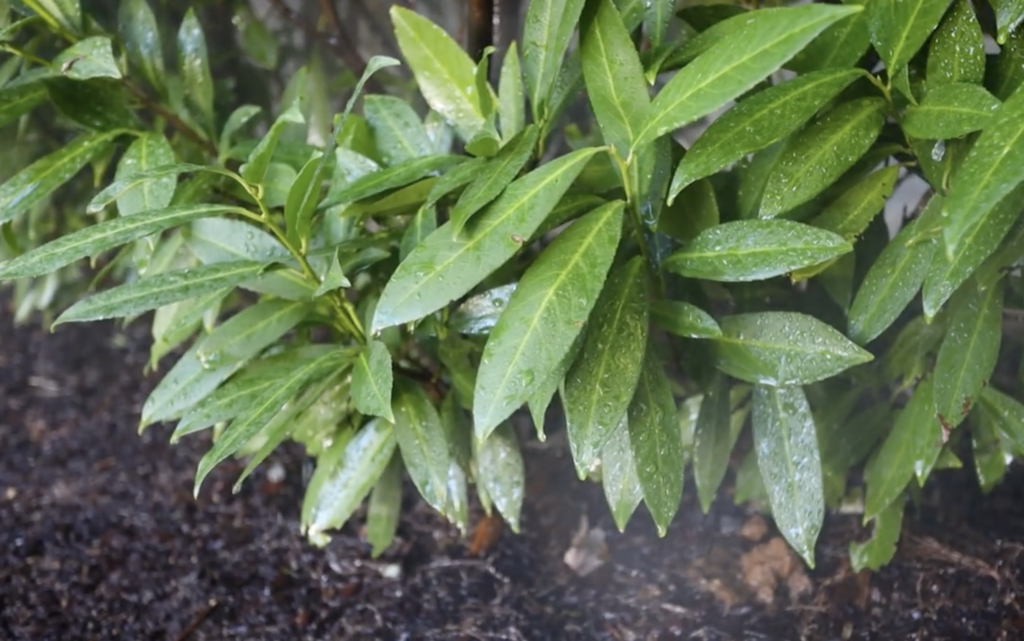
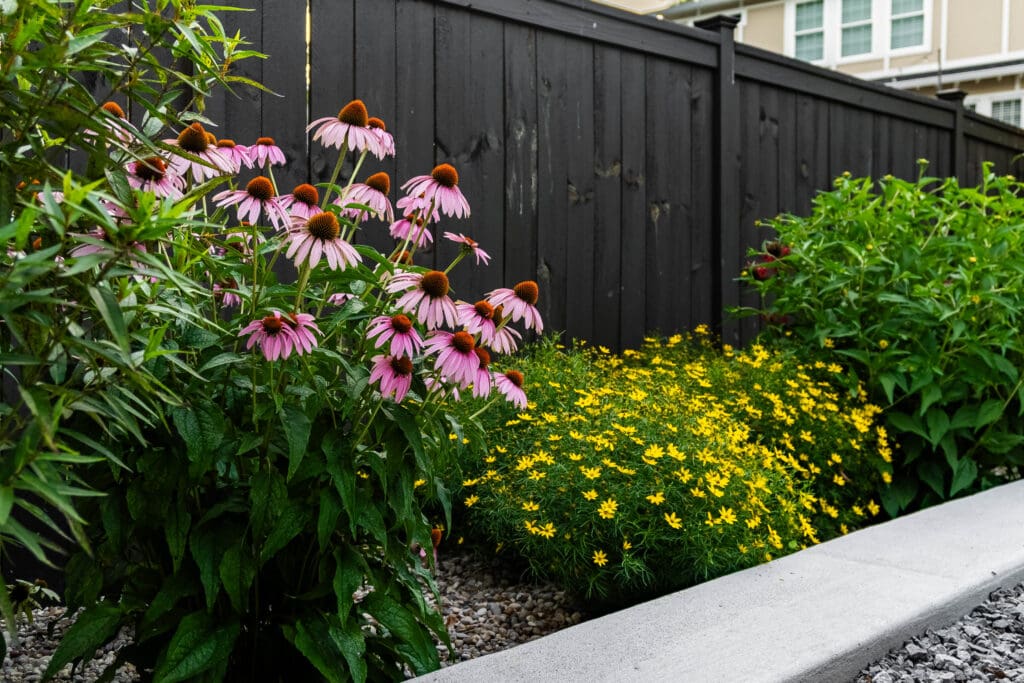
Even something as simple as hooking up a sprinkler to a hose can make a difference in a dry yard or garden. Not to mention, this can also be a great way to get the kids in your life involved in outdoor spaces. You can turn watering the yard, plants or garden into work and playtime as kids also have fun running through sprinklers.
However, not all irrigation systems are equal. While standard sprinkles are ok for some situations, most flowering plants prefer drip irrigation. You may have seen drip irrigation systems while browsing a greenhouse, especially if you were browsing ferns earlier this spring. Drip irrigation saves flowering plants’ delicate blooms and stems from being battered by overhead water, and directly waters the soil around their roots. Not only is this better for your flowers, it also saves money by wasting less water.
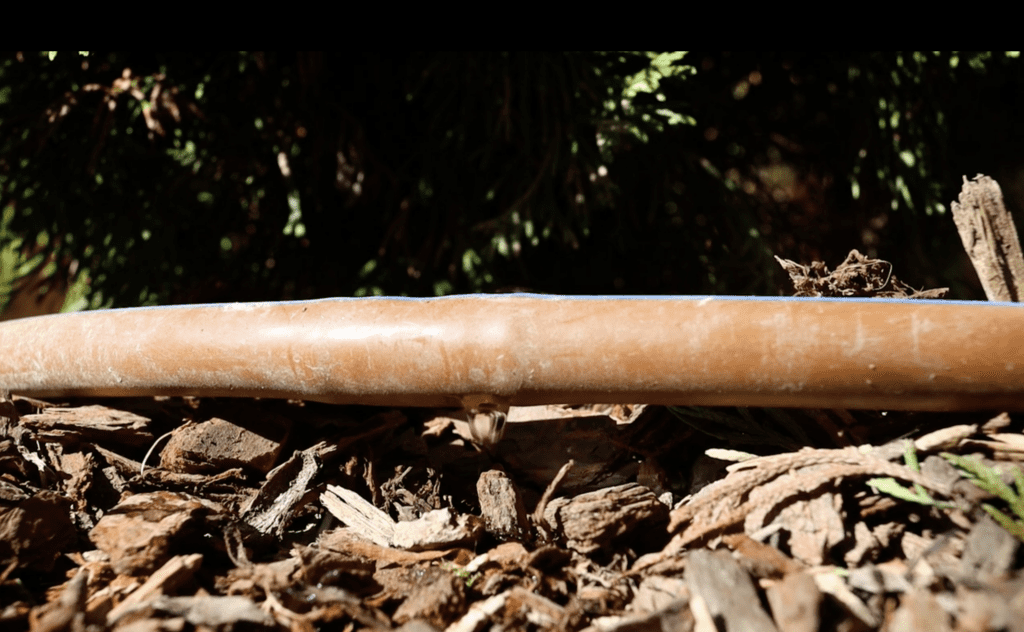
Integrated sprinkler and irrigation systems can be even more effective for your yard, as they are adjusted based on different areas. Some spots have more shade or more slope, and don’t need as much water as more exposed areas. These systems also help reduce water waste for this same reason.
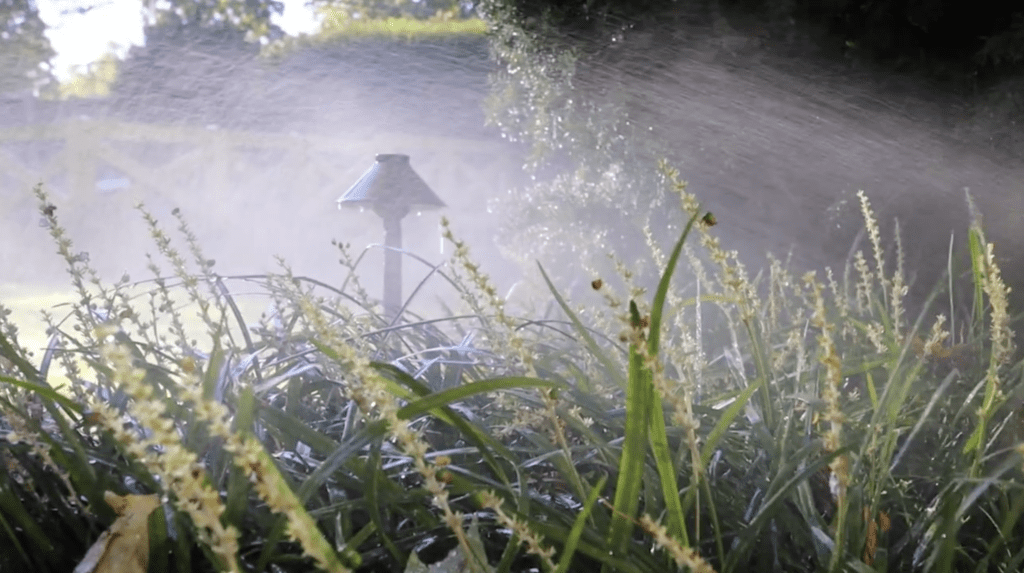
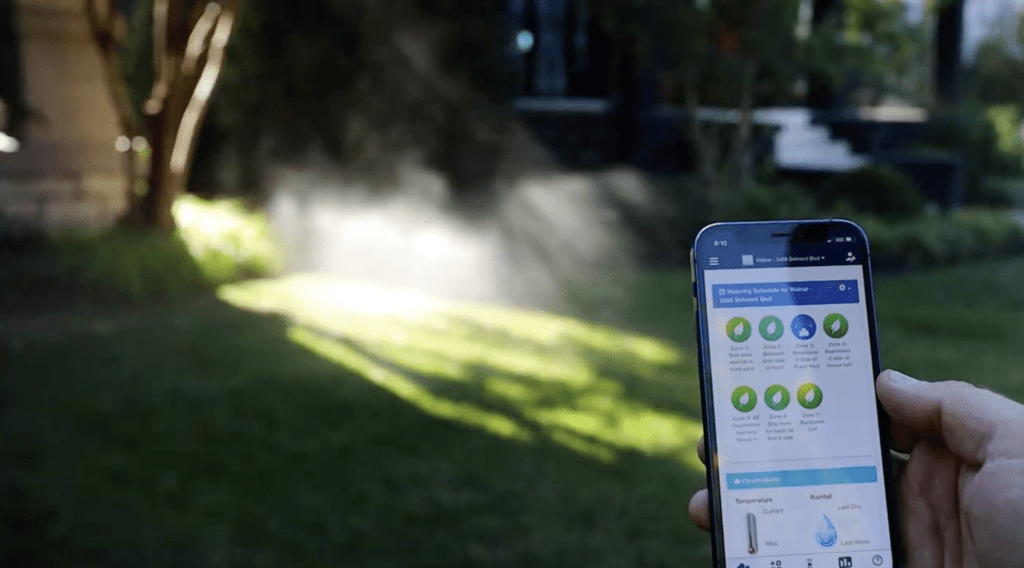
You can now take even more hassle out of caring for your yard. Many sprinkler systems now have smart capabilities. This smart technology allows you to design proper water schedules. Your plants and landscape will flourish without you having to think about them. Plus, you’ll never have to worry about your yard getting watered properly while you’re enjoying your summer vacation.
Additional Tips for Successful Watering
- Hand Watering: In areas not covered by an irrigation system, hand watering is essential. This is especially important during the first 90 days after planting your new additions.
- Consistent Monitoring: Keep an eye on your irrigation system to make sure it’s functioning correctly and delivering adequate water to all areas of your landscape. Even smart irrigation systems need regular monitoring and maintenance to make sure they run properly. (Not sure how to maintain your system? Gardens of Babylon provides installation and maintenance services!)
- Winter Considerations: We’re in the thick of summer, so winter is probably the last thing on your mind. However, you can prepare for the lifelong success of your yard, garden and plants anytime of year. Protect your plants from harsh winter conditions by ensuring they are well-watered before the first freeze. Also check your irrigation system before closing it up for winter, so it’ll be ready to go next spring.
By following these guidelines, you can help ensure your new plants establish strong roots and grow to be healthy and robust – and that your green spaces are successful all year long!
At Gardens of Babylon, we’re committed to connecting you with nature and providing the best care for your landscape. Are you looking to set up your landscape for success with an irrigation system? We provide irrigation system installation and maintenance, so you’ll never have to wonder if your yard is getting the care it needs. Schedule an appointment with our irrigation experts today, and enjoy the lush landscape of your dreams. Happy gardening!
by Gardens of Babylon | Jun 18, 2024
As the summer sun warms our beautiful Middle Tennessee, there’s nothing quite like stepping into a garden buzzing with life. As we celebrate pollinators this week, diving into the world of flowering perennials makes the perfect sense! These beauties not only add a splash of color to your landscape but also attract those lovely pollinators we all adore. So, grab your garden gloves and a cup of iced tea, and let’s explore some native beauties that are perfect for your garden.
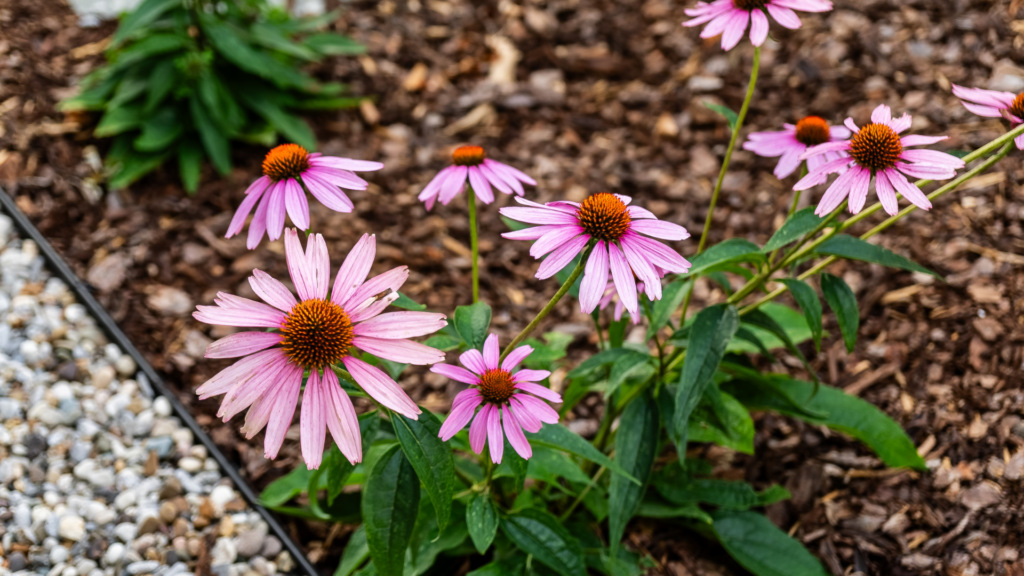
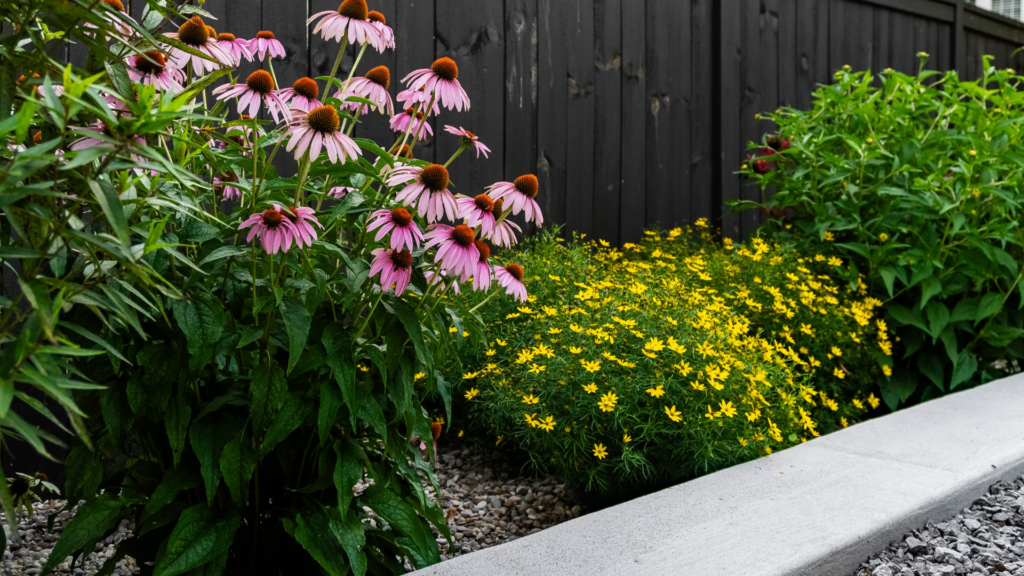
Purple Coneflower (Echinacea purpurea)
is a beauty that isn’t just a feast for the eyes with its vibrant purple petals and prominent centers; it’s a pollinator magnet! Bees, butterflies, and even birds can’t resist it. These perennials thrive in full sun to partial shade and are incredibly drought-tolerant. To keep them blooming beautifully, consider deadheading spent blooms. Not only do they attract pollinators, but they also make fantastic cut flowers for your home.
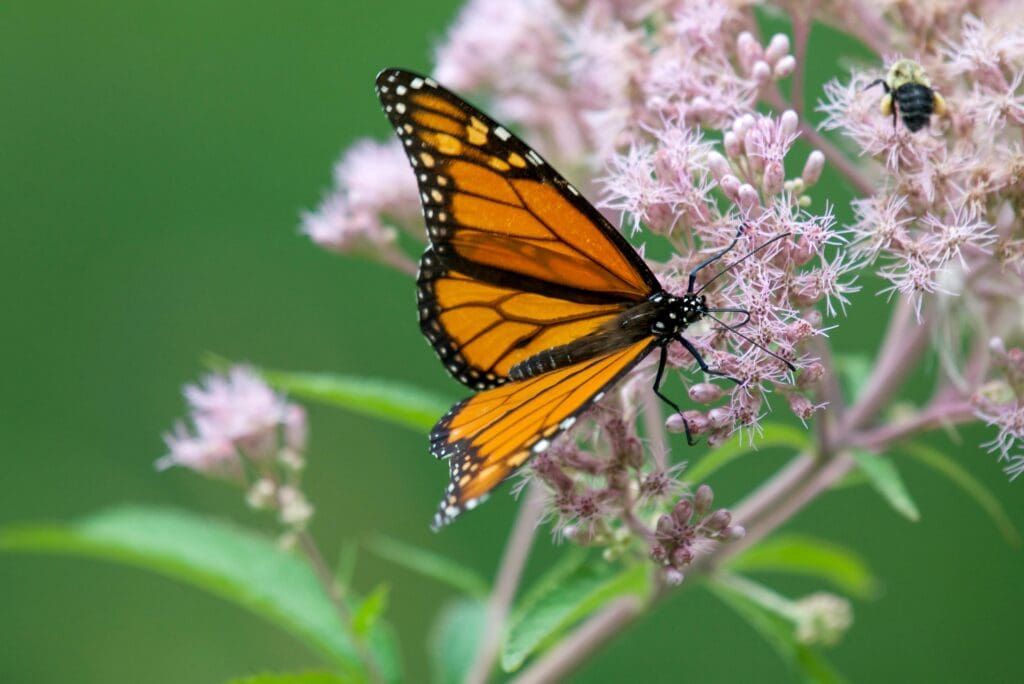
Joe Pye Weed (Eutrochium purpureum)
is a tall, elegant plant with clusters of pinkish-purple flowers that serve as a beacon for butterflies, especially Monarchs. Standing tall in the garden, it’s perfect for adding height and a touch of wild beauty. Joe Pye Weed prefers full sun to partial shade and thrives in moist, well-drained soil. Its robust nature allows it to handle a variety of soil conditions, making it a versatile choice for many gardens.
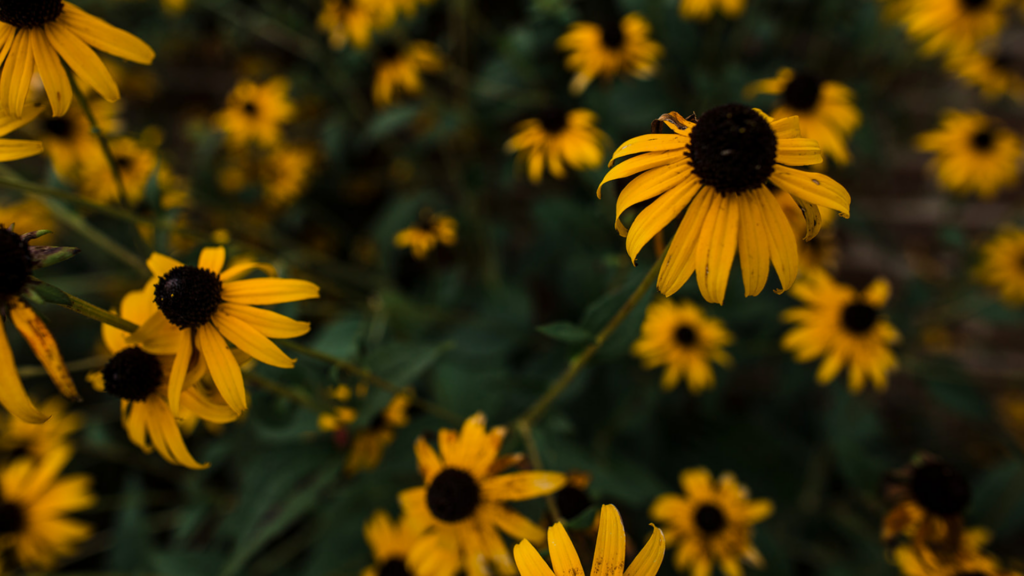
Black-Eyed Susan (Rudbeckia hirta)
brings cheerful yellow flowers with dark centers that resemble little rays of sunshine. They bloom profusely, creating a dazzling display that bees and butterflies adore. These hardy plants thrive in full sun and well-drained soil, and they’re quite resilient, tolerating a bit of neglect. Their bright, sunny disposition makes them a must-have for any pollinator garden.
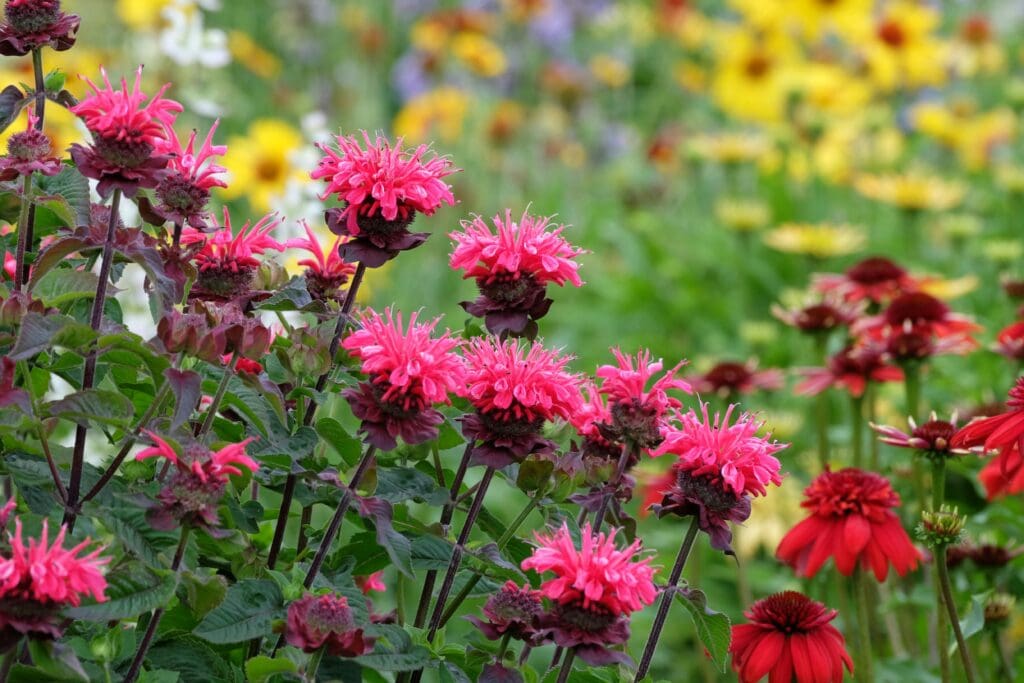
Bee Balm (Monarda didyma)
stands out with its vibrant red, pink, or purple flowers, making it a showstopper in any garden. True to its name, it’s beloved by bees and is also a favorite of hummingbirds. Bee Balm prefers moist, well-drained soil and can be planted in full sun to partial shade. Keep an eye out for powdery mildew and ensure good air circulation around the plant. Its aromatic leaves can also be used to make tea, adding an extra benefit to this lovely plant.
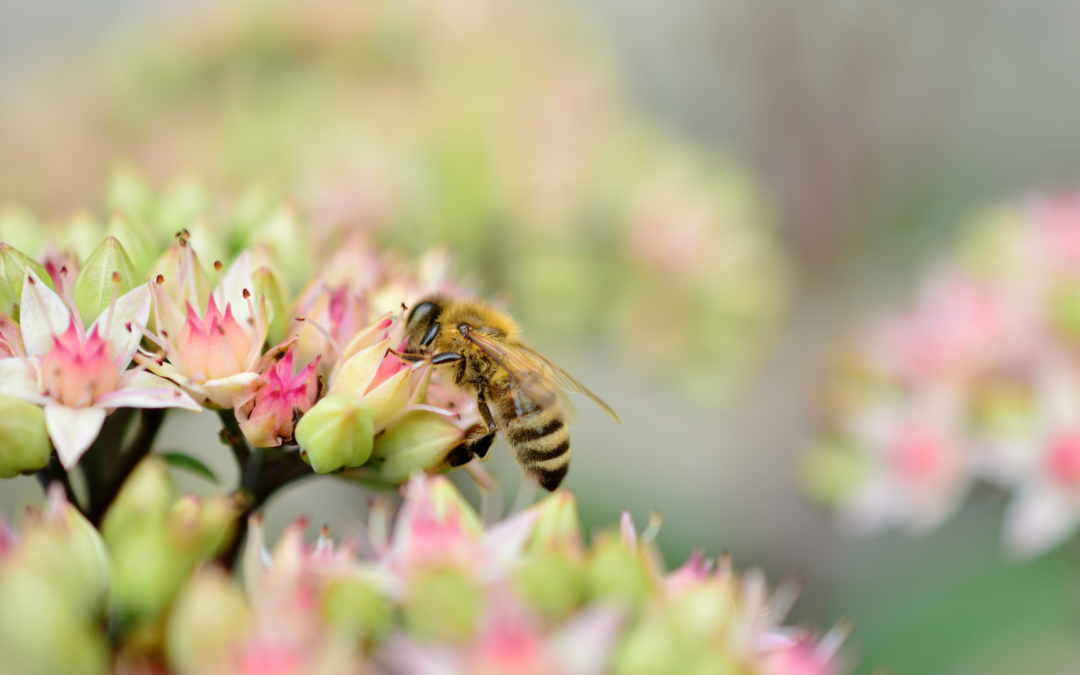
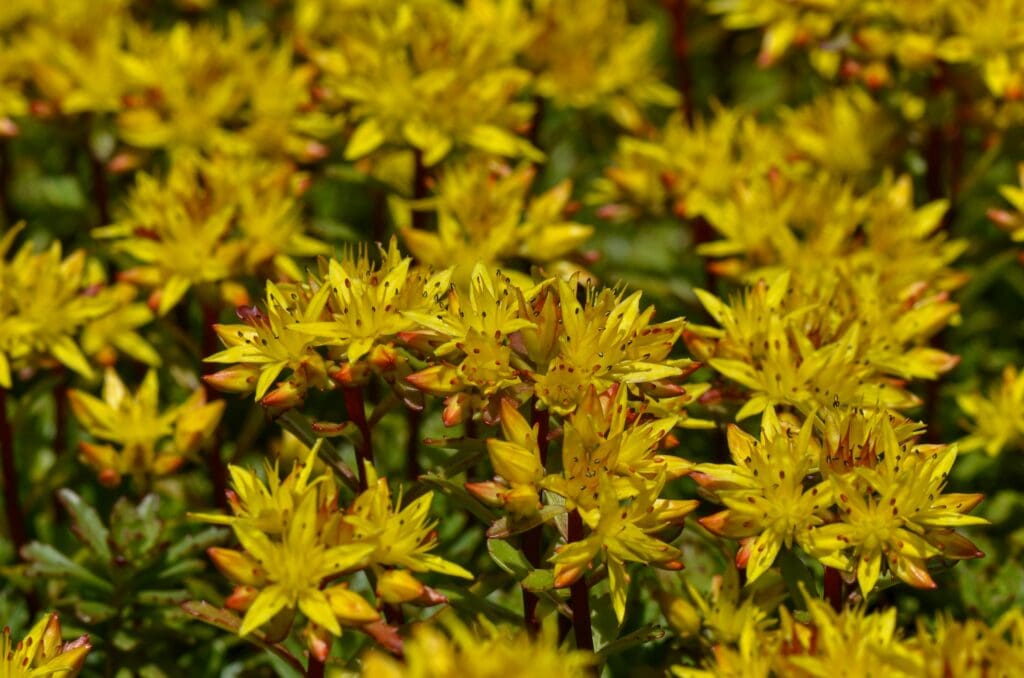
Sedum (Sedum spp.)
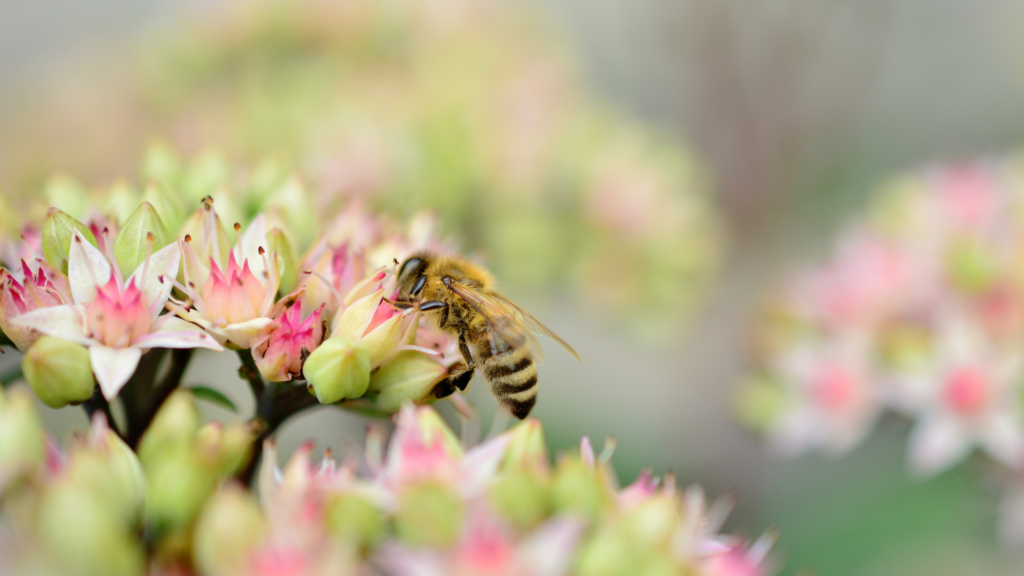
features succulent leaves and star-shaped flowers that are a favorite among bees and butterflies. This plant is incredibly low-maintenance, making it perfect for busy gardeners. Sedum thrives in full sun and well-drained soil, and it’s drought-tolerant, making it ideal for areas with less frequent watering. Its unique texture and form add variety to the garden, and it can even be used in rock gardens or as ground cover.
Creating a Pollinator Paradise
When planting your pollinator-friendly garden, think diversity. A variety of shapes, colors, and bloom times will attract a wider range of pollinators. Grouping plants together can also make it easier for pollinators to spot and access their favorite flowers. Remember to provide a mix of nectar and pollen sources, and include some host plants for caterpillars to encourage butterfly populations.
Ready to transform your garden into a buzzing paradise? Let our designers plan our your perfect pollinator garden. And come visit us at our garden center, that is brimming with a fantastic selection of native perennials. Our friendly staff is always here to help you choose the perfect plants for your space!
by Gardens of Babylon | May 30, 2024
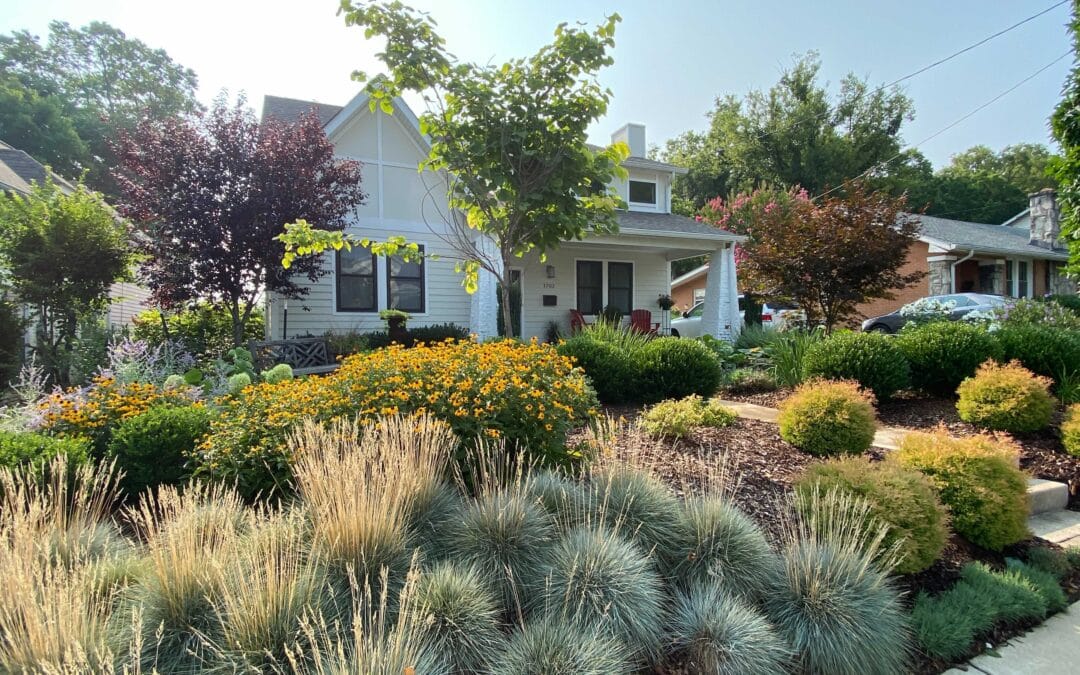
If you’re looking for ways to increase the value of your home, it’s easy to overlook the outdoors. But your property’s landscaping can significantly influence its appeal and resale price. The power of a well-groomed lawn, charming flowerbeds, and strategically placed trees should not be underestimated.
Let’s explore how landscaping can improve your property value, and which types of landscaping investments are most likely to bolster your home’s resale price.
The Importance of Curb Appeal
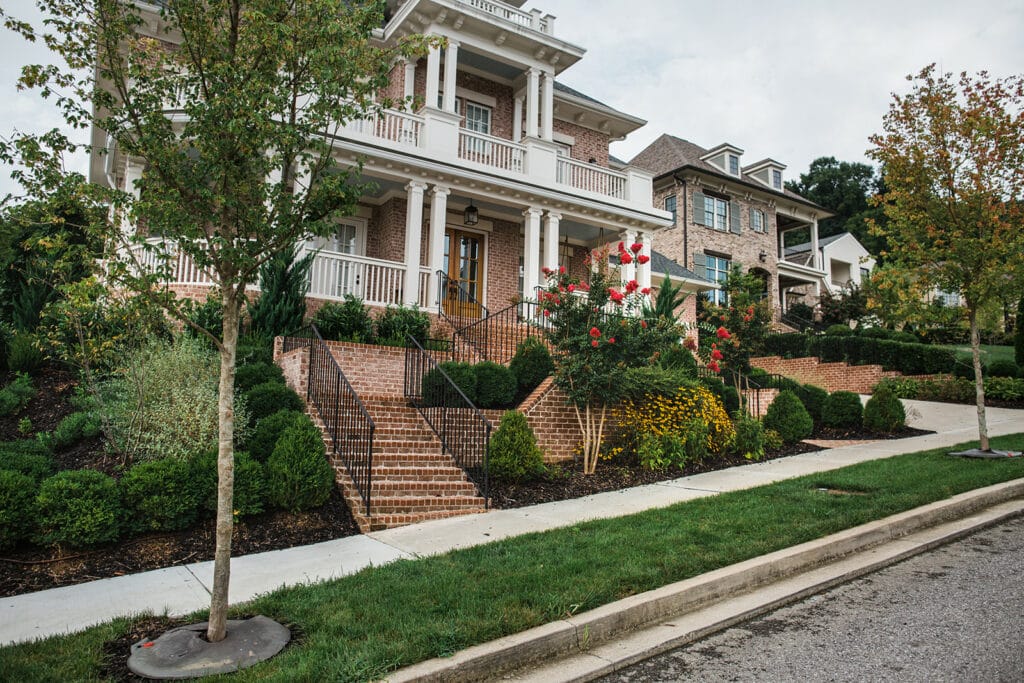
First impressions are crucial, and the exterior of your home is the first thing prospective buyers see. An unkept yard could be a deal-breaker, making potential buyers think that if the outside is neglected, the inside might be too. On the other hand, a beautifully landscaped yard can create a positive impression, convincing buyers your home is worth considering even before they step inside.
Landscaping significantly contributes to curb appeal. Studies show that good curb appeal can add 5-12% to a home’s value, making landscaping a wise investment for those planning to sell.
Landscaping Investments that Pay Off
While it’s clear that landscaping can boost property value, it’s essential to consider what kind of investments will yield the best return. Here are a few areas to consider:
1. Trees
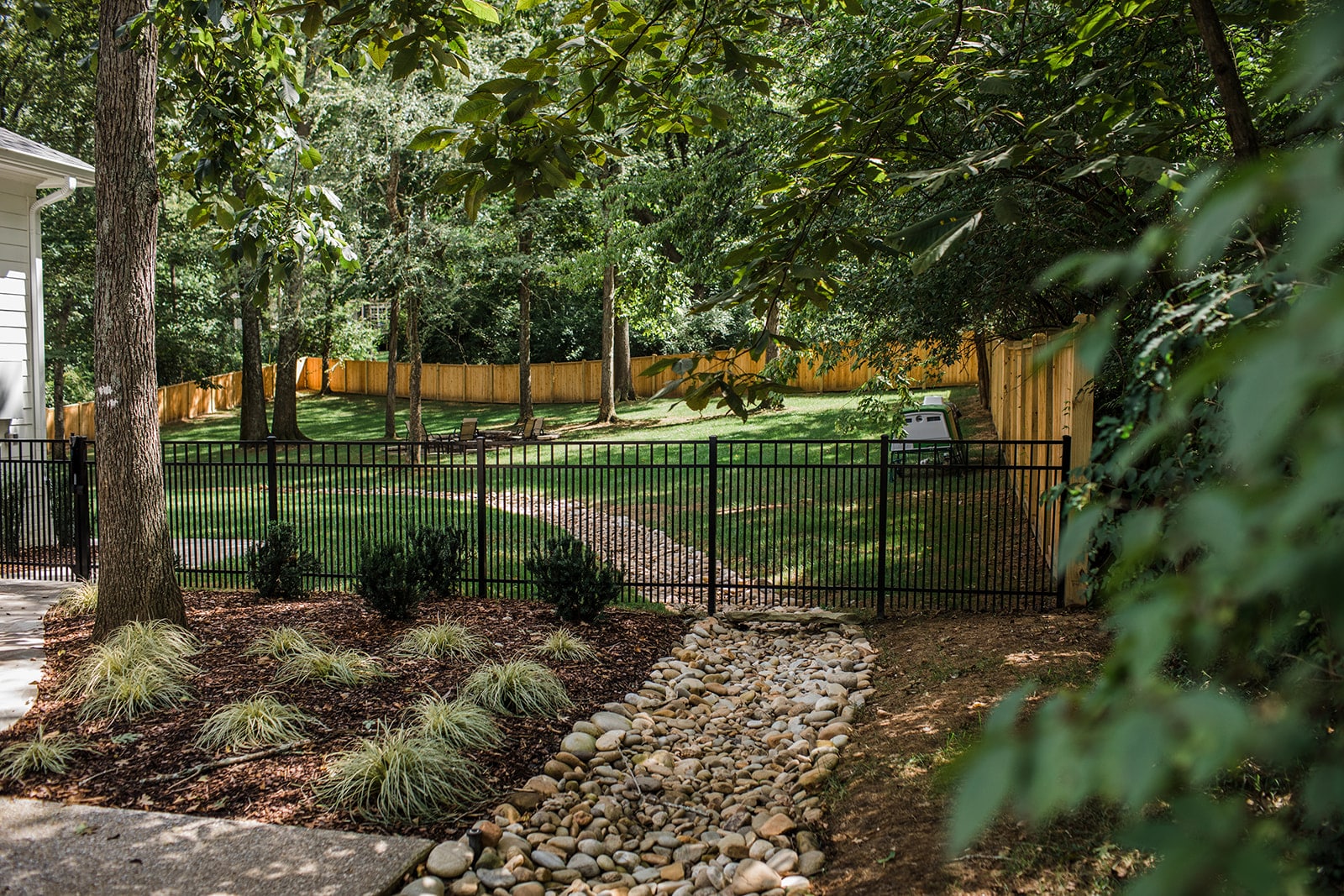
Trees are an excellent investment for your property. According to the Council of Tree and Landscape Appraisers, a mature tree can add $1,000 to $10,000 to a property’s value. They can also reduce cooling costs in the summer, making your home more energy-efficient and attractive to eco-conscious buyers.

2. Native Plants
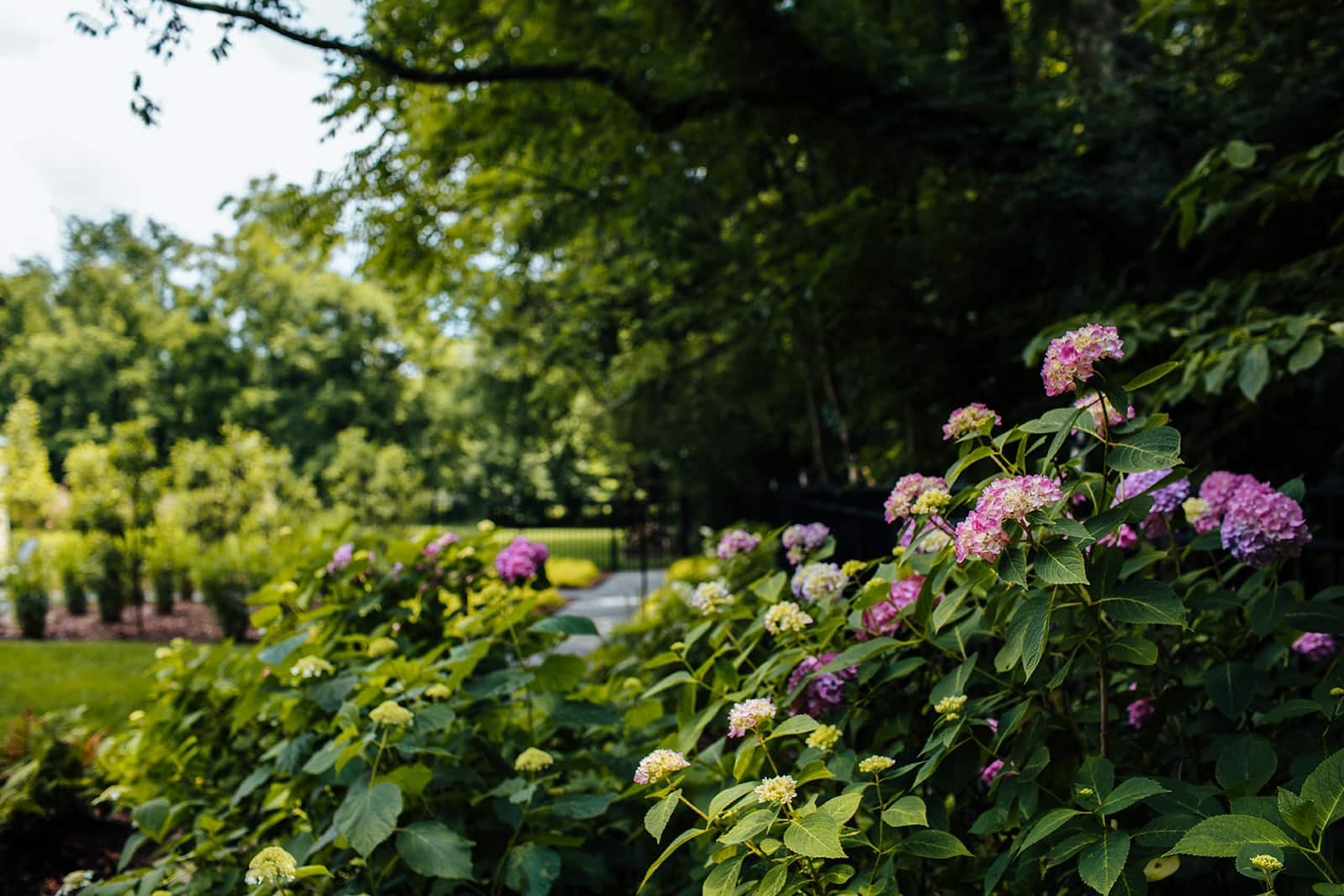
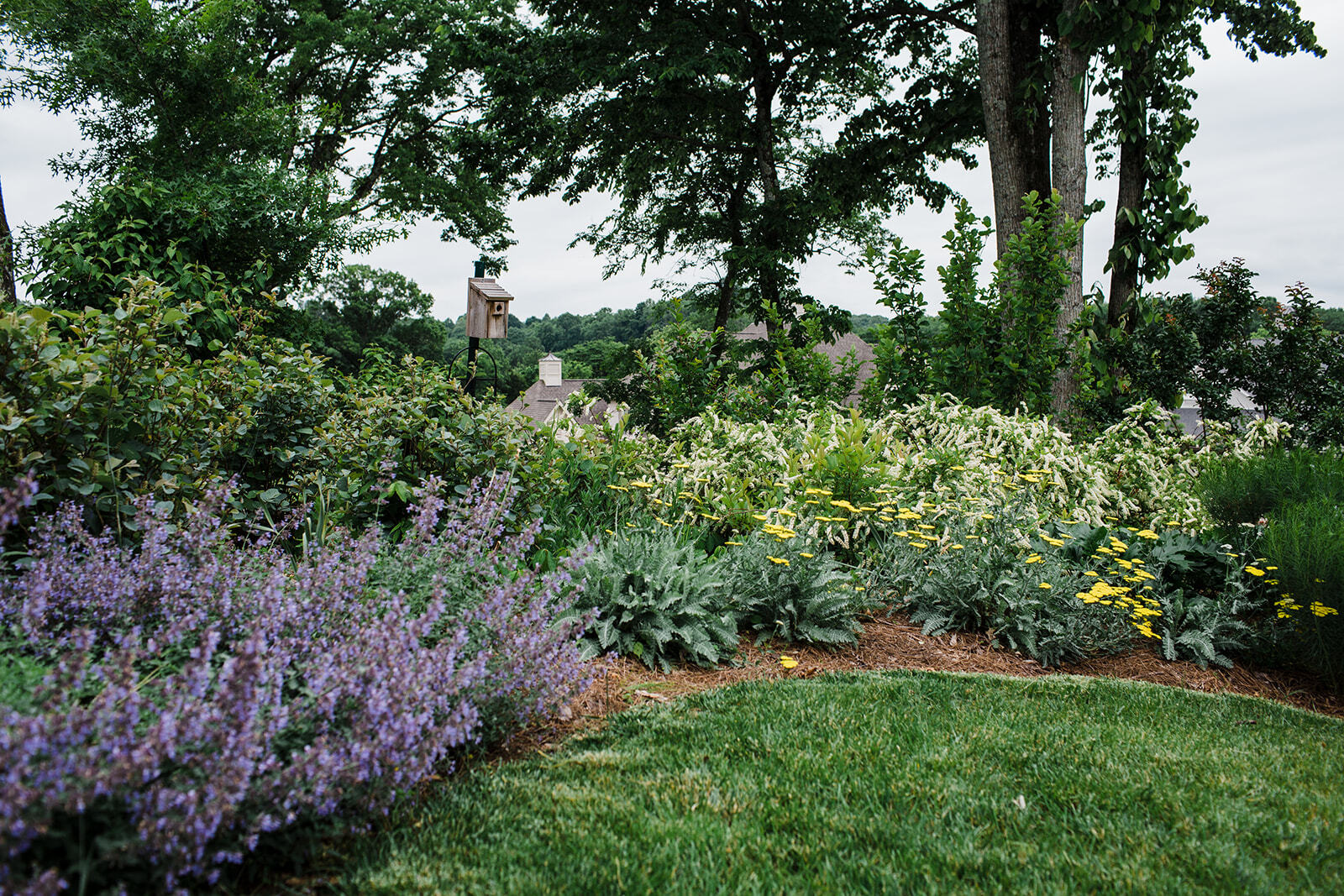
Using native plants in your landscaping can also enhance your home’s value. They typically require less maintenance and are more resistant to local pests and diseases. Plus, they contribute to local biodiversity, another selling point for environmentally conscious buyers. Read about some great Middle Tennessee options for native plants here.
3. Outdoor Living Spaces
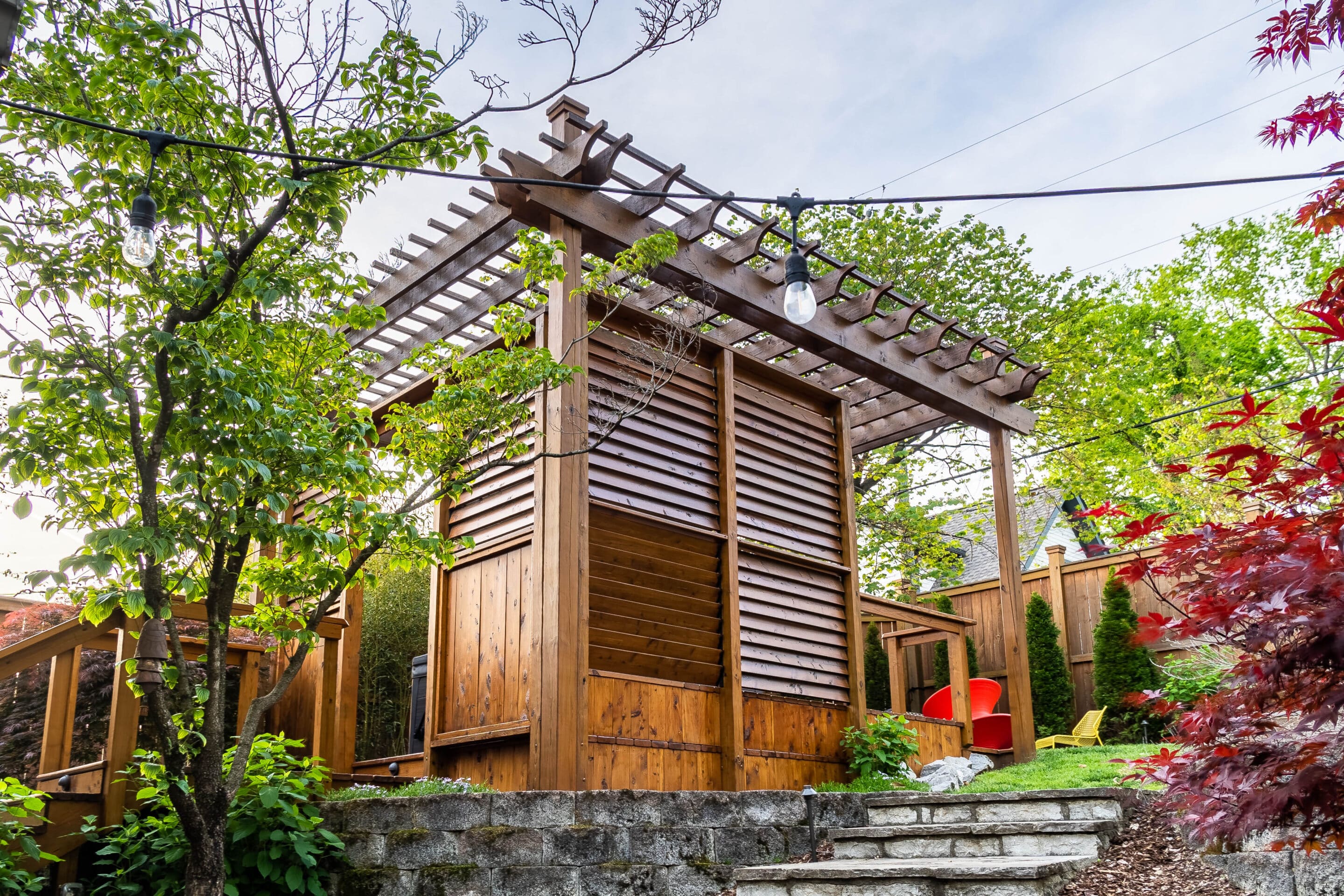
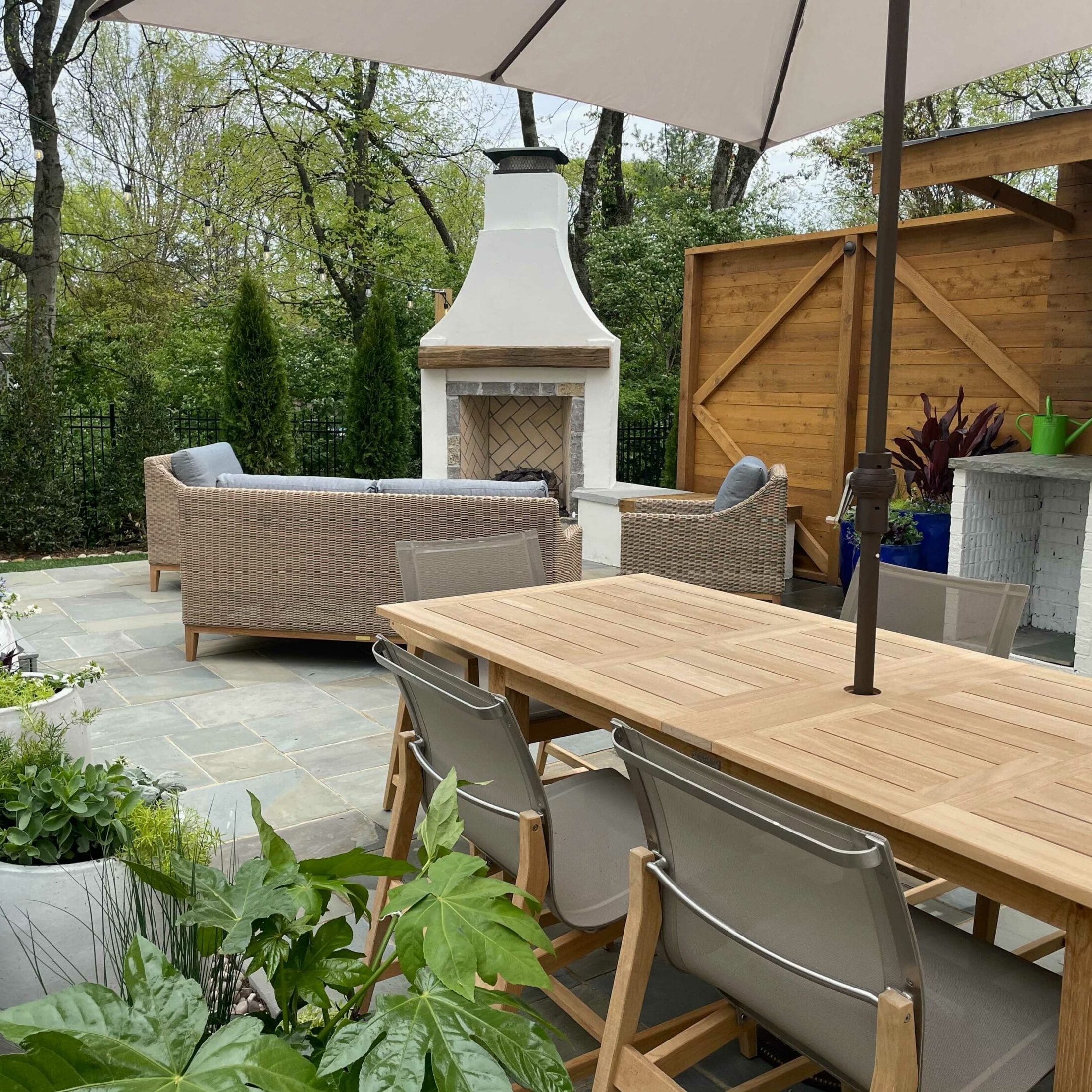
In the age of staycations, outdoor living spaces are more in demand than ever. Patios, decks, outdoor kitchens, and covered areas can serve as an extension of the home’s living space, adding significant value. A report from the National Association of Realtors shows that patios are among the top features homebuyers look for, making it a worthy investment!
4. Well-Maintained Lawn
A well-maintained lawn is key to boosting curb appeal and thus property value. Regular lawn care such as mowing and edging are important, but fertilizing and weed control can make a substantial difference in the market price of your home. Our team at Gardens of Babylon can help in every aspect of caring for your lawn. Reach out to learn more about our Natural and Bridge Lawn Care Programs which focus on creating better alternatives to typical lawn care treatments.

5. Lighting
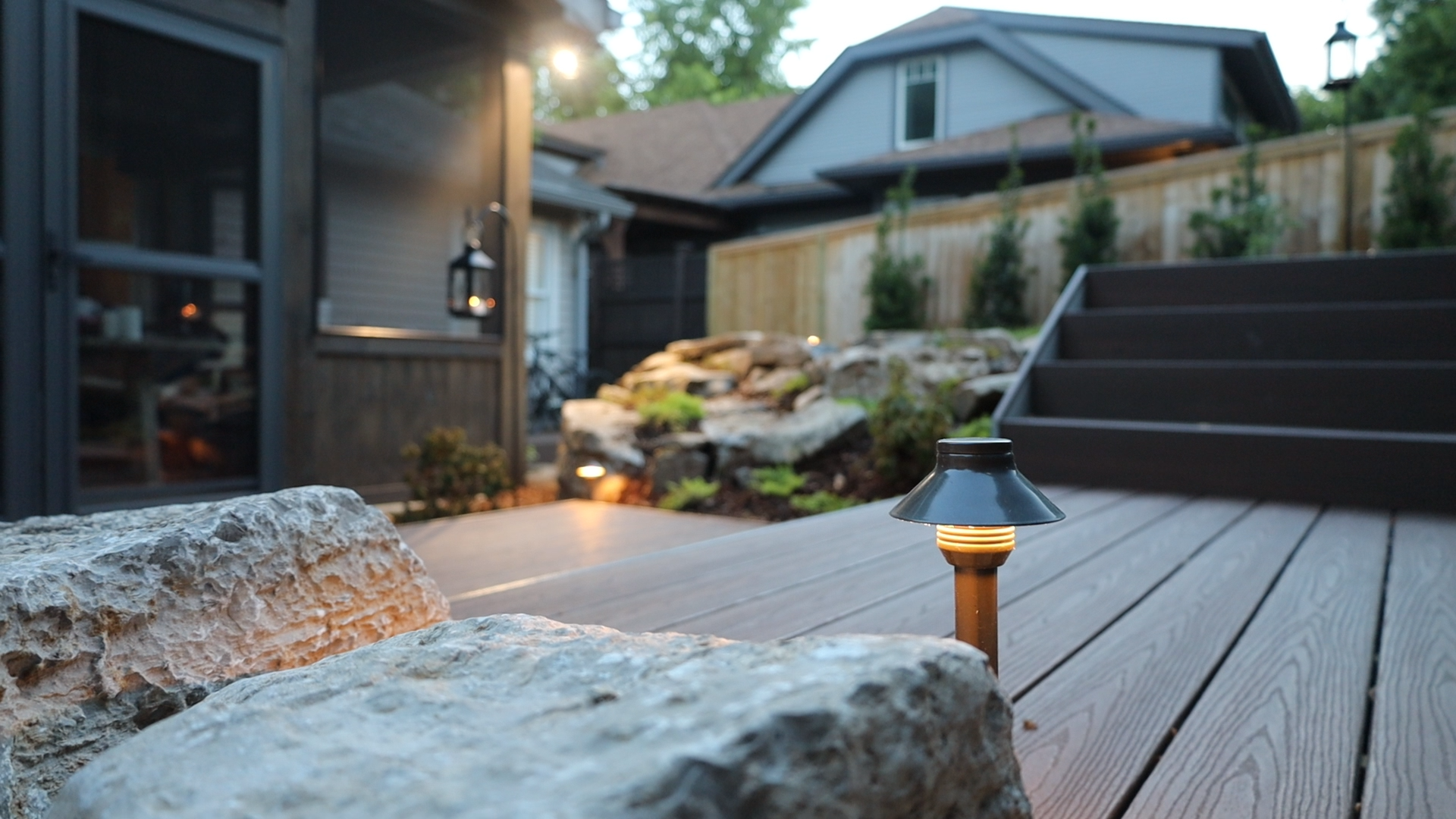
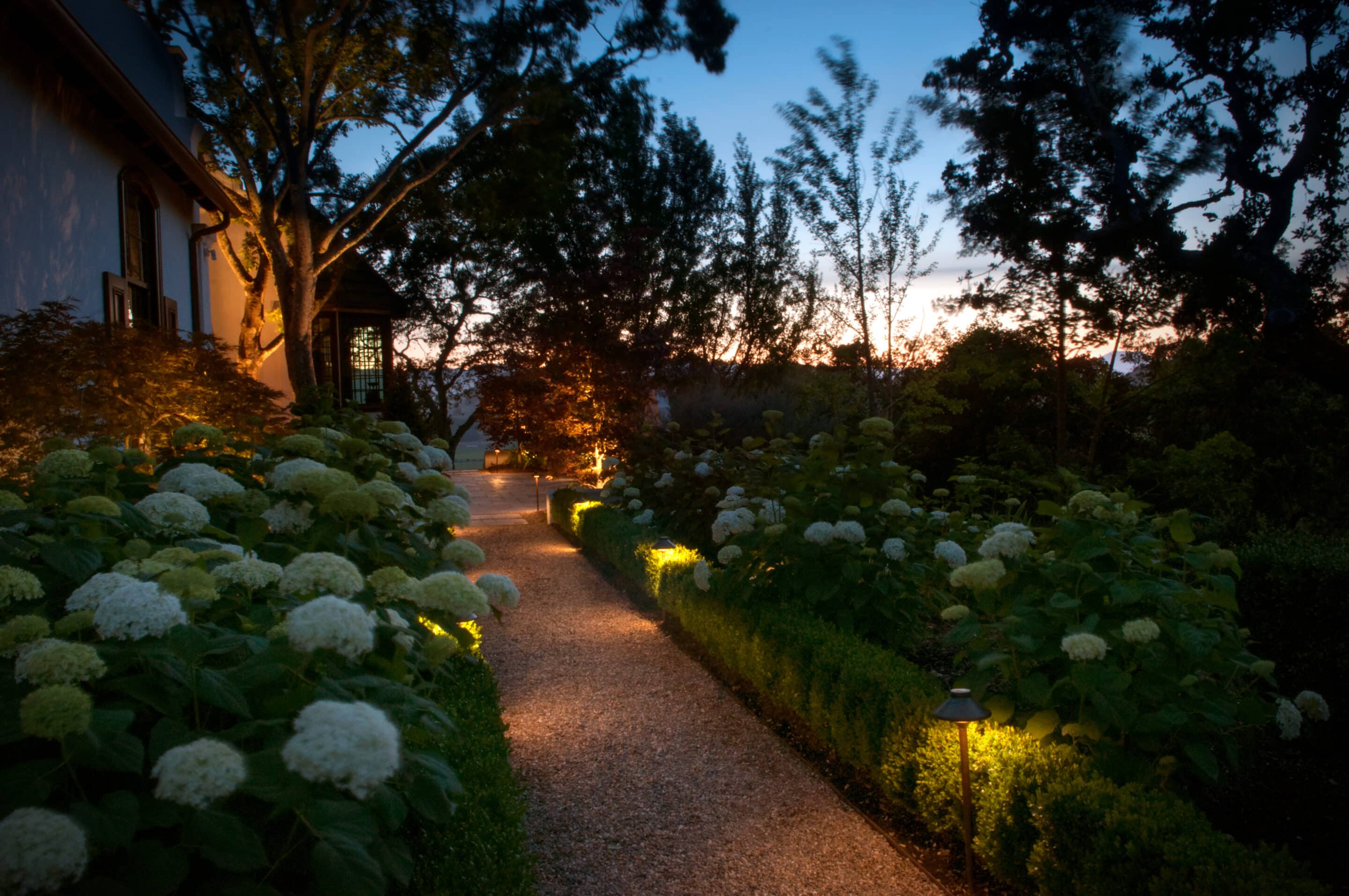
Proper outdoor lighting can highlight your property’s best features and increase security – both appealing factors for potential buyers. Consider using LED lights for energy efficiency and longevity and let a professional help add the perfect ambiance! For creative ways to illuminate with lighting, read our blog here.
Bottom Line
Landscaping is more than just a cosmetic enhancement; it’s a smart investment that can significantly boost your property value. Whether you’re planning to sell your home soon or in the future, investing in your property’s landscaping now can yield substantial returns down the line.
Remember, the best landscaping upgrades are those that enhance your home’s overall appeal and fit naturally into the surrounding environment. Don’t hesitate to seek professional advice from one of our landscape designers to understand what investments would work best for your property. With the right planning and execution, you can create a beautiful outdoor space that adds substantial value to your home and attracts eager buyers.