The pollination efforts of bees are behind one of every three bites that typical American eats. That accounts for about 15 billion dollars a year in US crop services. Here are 5 steps you can take to help local pollinators!
Five pollinator friendly steps home gardeners can take:
1) Eliminate invasive plants. Most of these are aggressive, non-native species that aren’t very attractive to pollinators anyway, but they are the biggest threat because they elbow out natives that are of high pollinator value.
2)Plant in clusters. Diversity is important but it’s also helpful to plant in floral clumps at least five plants per clump whether shrubs, perennials, annuals instead of this one here, one there, one there. Clusters are easier for pollinators to find and offer a bigger supply of pollen.
3) Allow some cosmetic or temporary damage on some of your plants. This is a sign that caterpillars may be munching on some of these pollinator friendly plants!The leaves break down in the landscape and become a kind of shelter for insect eggs.
4)Give pollinators a water source. Bird baths or water features are two good ways to help with this. Sallow puddles are excellent if you refresh your water every now and again to avoid any kind of mosquito collection and keep the pollinators well hydrated.
5)Eliminate or reduce chemical applications around your landscape or garden or try to choose natural pesticides when you have to apply around your property. If you do have to apply, choose to apply later in the evening when the sun has gone down. These are the times when pollinators aren’t active so it gives a chance for the treatments to dry before the next day.
Plants to add that help bees:
Butterfly weed, yarrow, echinacea or coneflower, catmint, lavender, agastache, butterfly bush
Be sure to grow the right type of variety! Rabbiteye blueberries are native to the southeast United State! So they do well with the heat and humidity. They tend to grow a little bit larger as well! Most varieties grow to be four to ten-feet tall. Make sure that you have enough space for these guys to grow nice and large.
Blueberries Come in Different Sizes and Varieties
There are some smaller varieties of blueberries. One of them that we love is called Sunshine blue. Sunshine blue maxes out around three feet tall by three feet wide – great for a large container! Or they can be used as foundation shrubs around the landscape. They are great in place of things like hydrangeas. They can even be used in the landscape as a plant if you don’t want to grow them off to the side or in a garden! Blueberries love full sun. They do not like the shade, so make sure that you have them in a really nice full sunny area and you’ll be just fine.
You also want to consider growing at least two varieties next to each other for cross pollination. This is how you get maximum berry yield. You’ll get a decent crop if you just have one but you’re really going to want to at least plant two varieties. Two different types growing near each other will help to make sure that you really get a maximum yield of blueberries.
Best Soil for Blueberries
Blueberries love acidic soil somewhere in the 4.5 to 6 range. Most of our natural soils are around the 7 range so you need to add soil-acidifying amendments to the soil. Organic elemental sulfur or cottonseed meal are both amendments that you use to lower the ph of your soil. They take one to two years to really take full effect so get started early. But you can also just plant them in the areas around the blueberry when you plant your shrub. They’ll take about one to two years to really lower the soil ph. Getting your soil very acidic is a key ingredient to being successful at growing blueberries.
You want to make sure that you are growing in a well-drained, evenly mixed composted soil. Like a lot of plants around here, they do really well if they’re not waterlogged and growing in heavy clay. Backfilling with some really great compost and maybe a little bit of sand for drainage mixed in will help to get them off to a really great start. Maybe even consider topping them off with a little pine straw or pine mulch around the base and then you’re going to be really successful.
Don’t Lose Your Blueberries to the Birds
Birds are attracted to blueberries. Here are some ideas to keep the birds mostly off of your blueberries:
Bird netting is really the kind of the go-to for a lot of gardeners. It’s a fine filament type netting that you can just kind of lay over your blueberry. You can get a little bit more elaborate with it and build frames around your blueberries in larger cages that kind of thing. But if you’re a little bit lazier you can just drape it over the blueberry bush. The birds might get the top blueberries but they’ll really miss a lot of the stuff that’s on the inside.
Hanging strips of what’s called flash tape or pie pans or CDs on string can keep birds at bay. This type of movement and shiny effect from the sun can kind of deter them away from getting onto your blueberry bushes!
Some people even put up bird feeding stations and feed them to avoid having them eating the crop. But, just make sure that you keep your bird feed well stocked because when that runs out they might be looking for other food sources.
We hope this video will help you learn how to grow blueberries in your own yard. For other great tips and DIY tutorials, subscribe to our Garden and Landscape Blog.
Hi, my name is Paige and I work at Gardens of Babylon. Today I’m going to show you how to repot your house plant. A few things that you’ll need are: your plant (of course) a pot, some rocks and potting soil. One of the signs that your plant needs to be repotted is if it is clearly growing too big for its pot and becomes top heavy. Also, if the roots start to come out of the bottom of the pot, or if it dries out faster than normal, it is definitely time for a repotting.
Repotting Steps
Using a container, you’ll want to make sure that it is around two inches in diameter larger than the nursery pot. So, you’ll want to prepare it for potting by putting rocks or pebbles for drainage. This creates space between the roots and the soil and you’ll want to do about an inch layer at the bottom. Then, you’ll take some potting soil and just put a little bit at the bottom before you add your new plant.
First, you’ll remove the nursery pot and gently tease some of the roots out so that the plant can grow more easily into its new home. This isn’t going to hurt the plant, at all. Then you’ll place it about level with the top of the container and fill in with fresh soil. The new potting soil has plenty of nutrients to help feed your plant and the pot has extra space for the roots to grow as well. Gently press down, there’s no need to pack the soil down very tightly because it will settle over time as you water.
Optional Add-Ons
Then, you can add a top layer of pea pebbles if you want. This will just help keep moisture in and it just looks nice. So, after you’ve adjusted your plant to be the way you’d like it to, you’ll water it in. This way the soil relaxes and it gives the plant a drink as it settles into its new home.
When choosing the right hydrangea, there are a couple things to consider first:
Will the hydrangea go in full sun, partial sun, or shade?
What size shrub were you looking for?
Do you want colorful blooms or just white?
Our staff is happy to help if you need more advice or any help deciding which of these options to go with!
Full Sun Hydrangeas
These hydrangeas can tolerate partial sun but prefer full sun (6-8 hours)
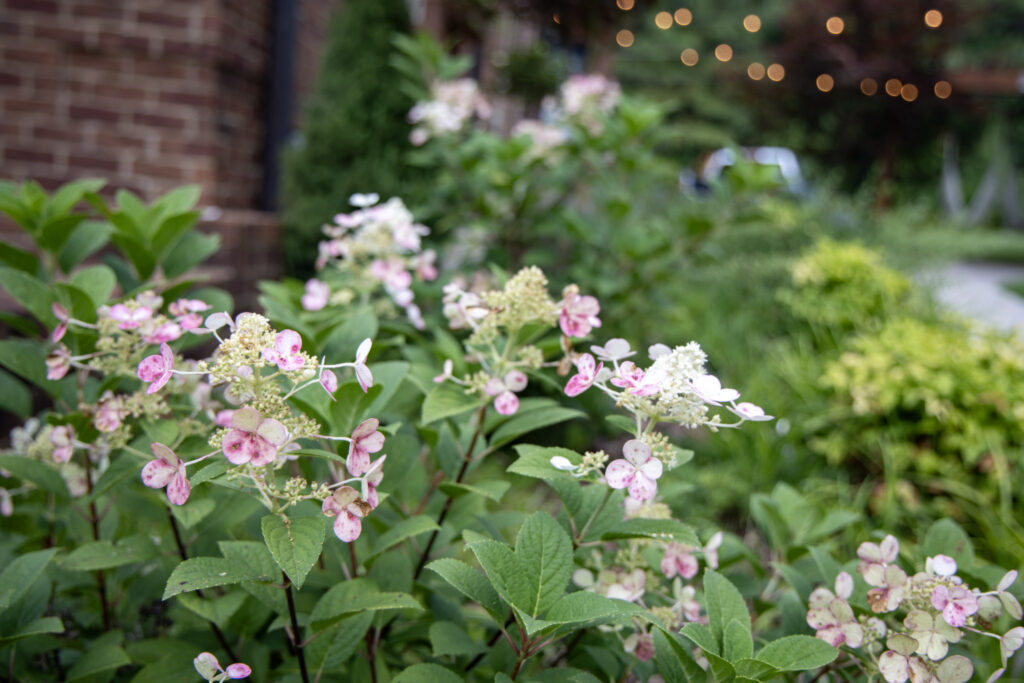
‘Bobo’ Hydrangea paniculata – This dwarf flowering bush grows to about 3’ x 3’ and blooms during the summer with white blooms. They bloom on new growth and would need to be pruned in late winter or early spring. These make good border plants and have strong stems that do not droop with full blooms.
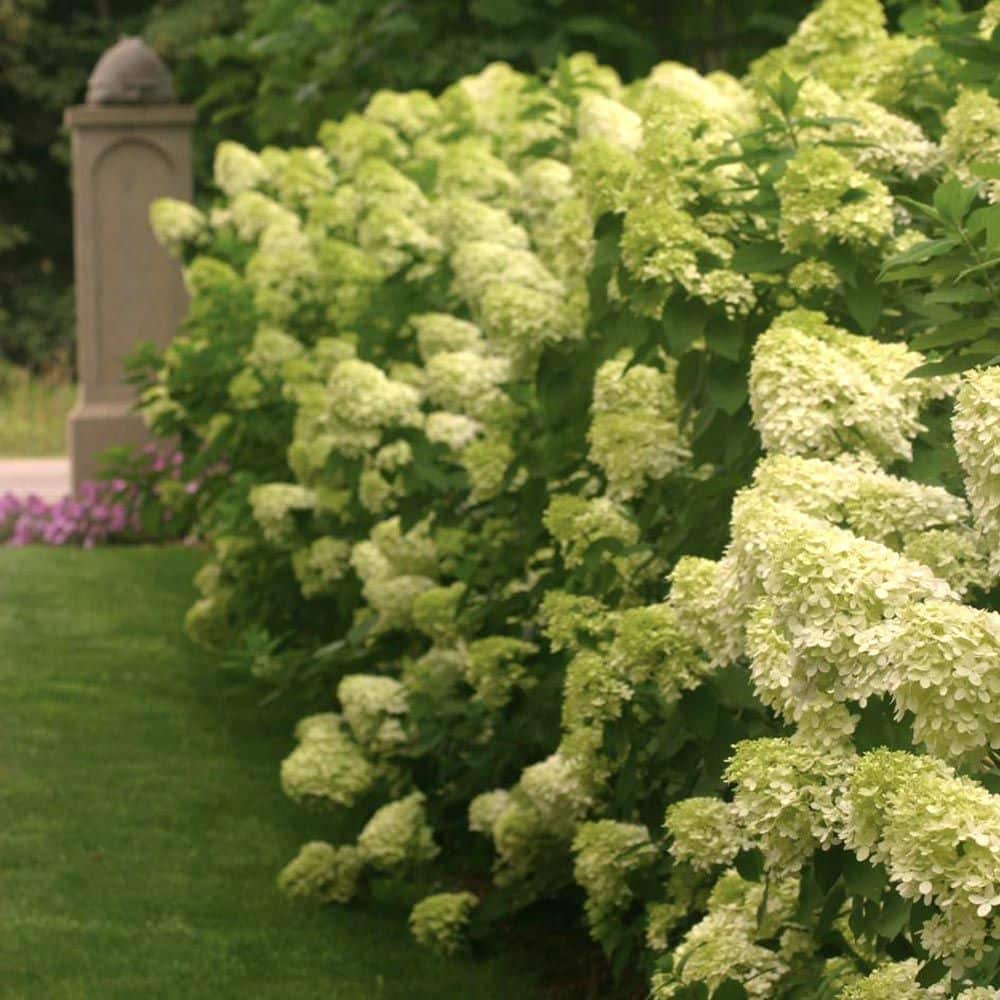
‘Limelight’ Hydrangea paniculata – With white summer blooms that eventually turn white and fade to a rosy shade, these grow to about 6’- 8’ x 6’- 8’. They bloom on new growth and need to be pruned in late winter or early spring. Stems occasionally need support when in bloom.
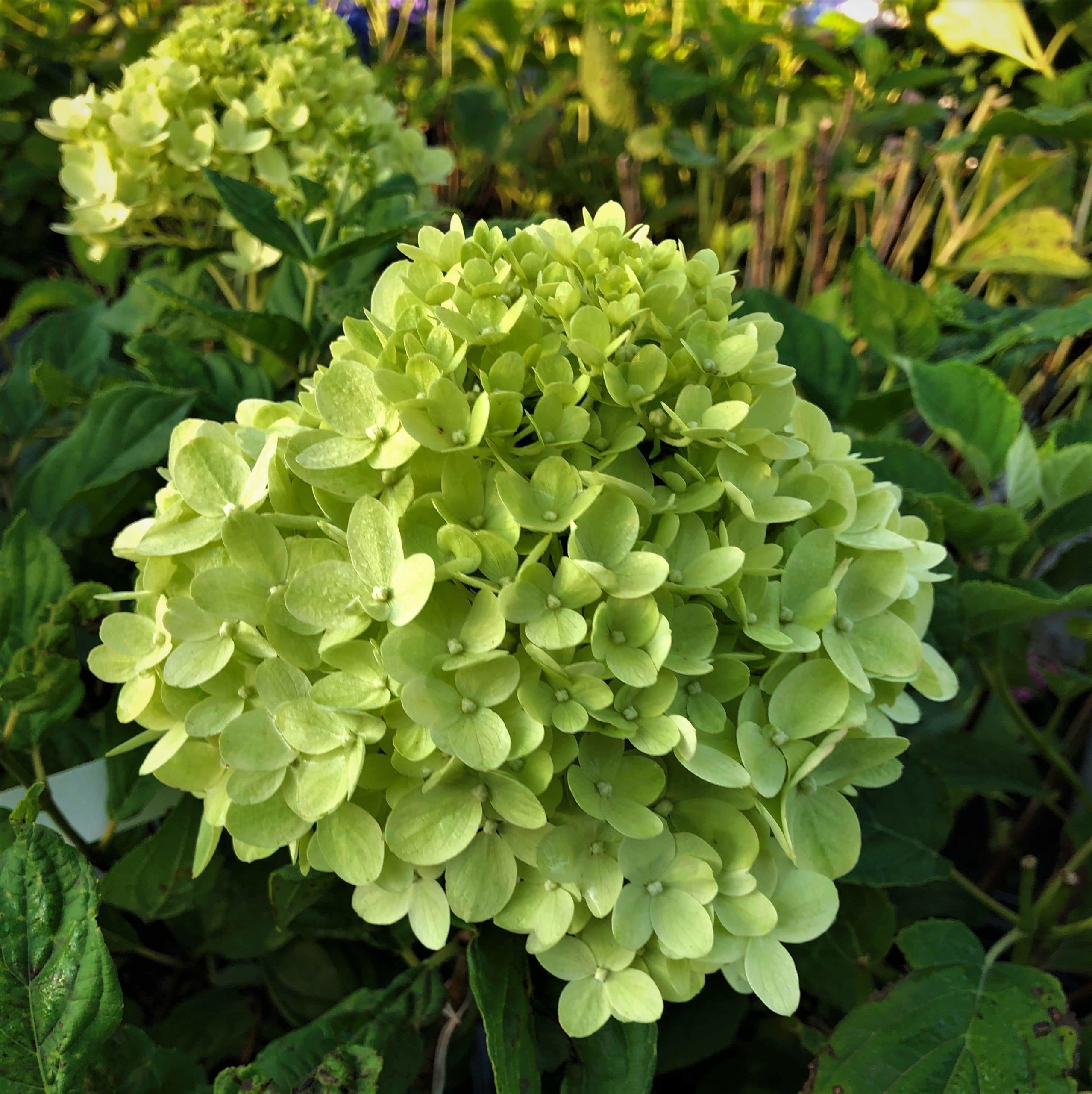
‘Little Lime’ Hydrangea paniculata – This is a dwarf form of the Limelight and grows to about 3’- 5’ x 3’- 5’.
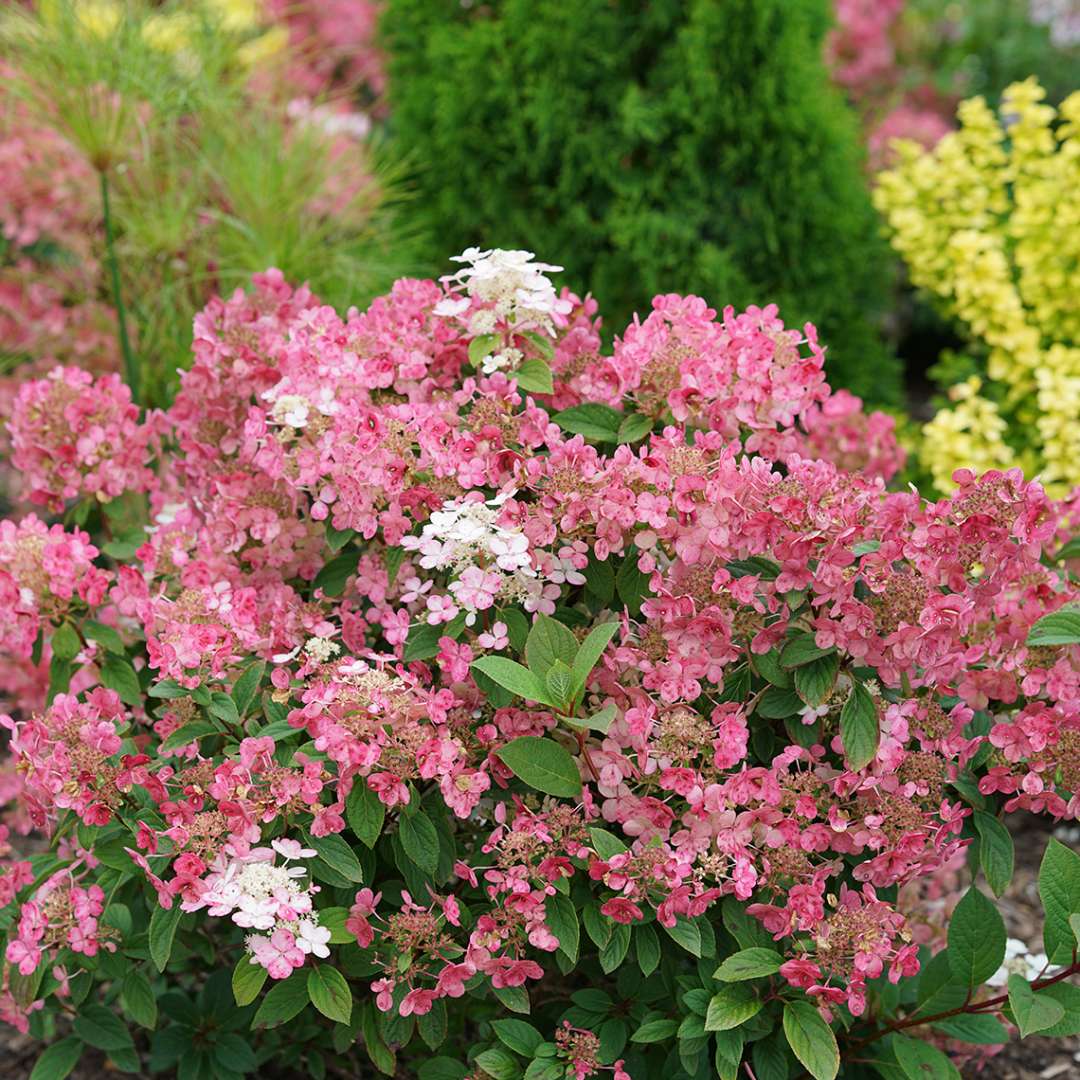
‘Quick Fire’ Hydrangea paniculata – This bush grows to about 6’- 8’ x 6’- 8’ and blooms white fading to red into the fall. They need to be pruned in late winter or early spring. This hydrangea begins blooming in the summer about 1 month before other summer blooming hydrangeas.
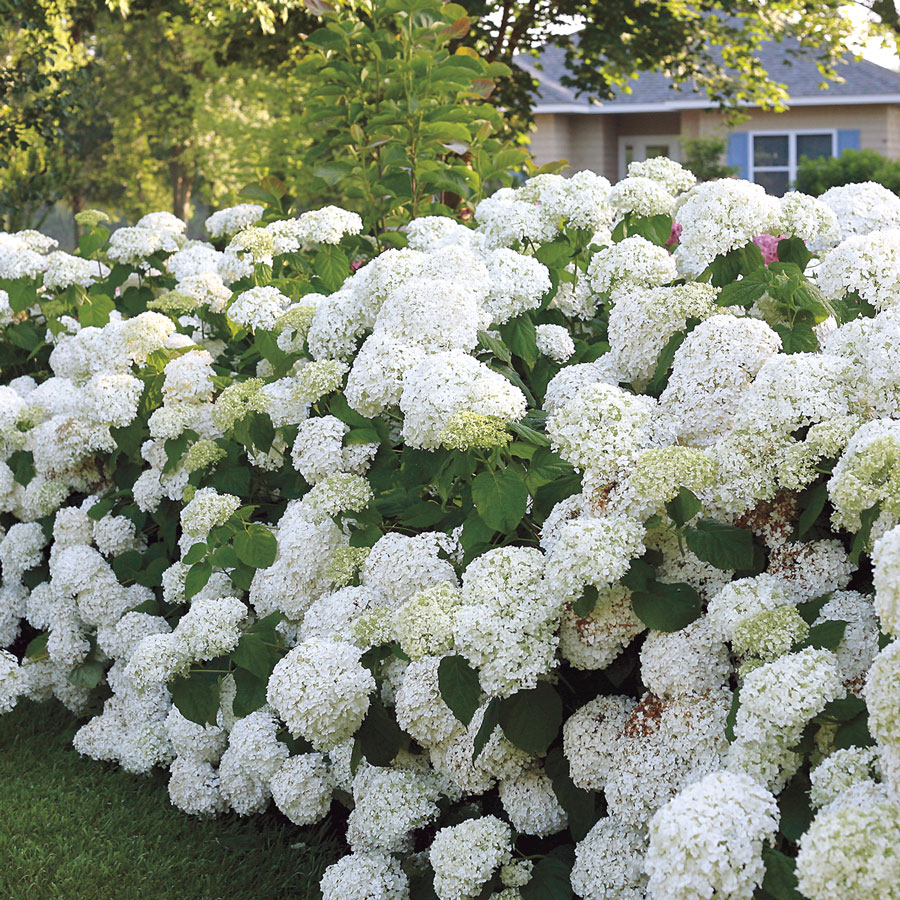
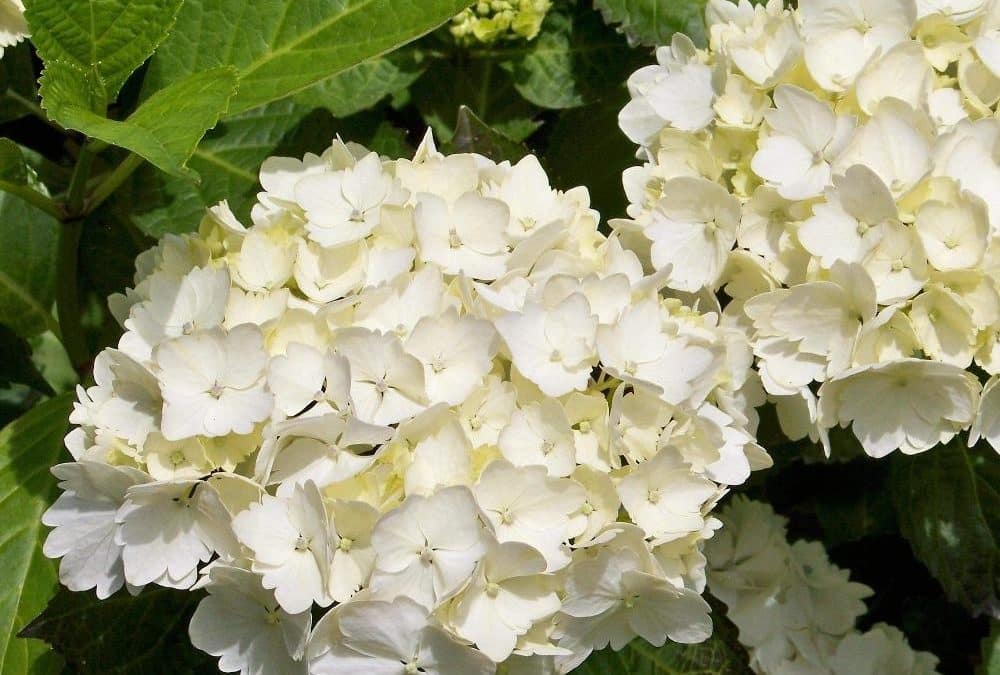
‘Incrediball’ Hydrangea arborescens – This gorgeous white flower grows to about 5’ x 5’ and is a native type. The Incrediball is an improved variety of the Annabelle that has larger white blooms and sturdier stems to support them. Cut back in late winter to early spring.
‘Annabelle’ Hydrangea arborescens – These flowers grows to about 5’ x 5’ and is a native type. These hydrangeas bloom white and make a nice addition to rain gardens.
Partial Sun Hydrangeas
These hydrangeas can handle shade but prefer partial sun (4-6 hours)
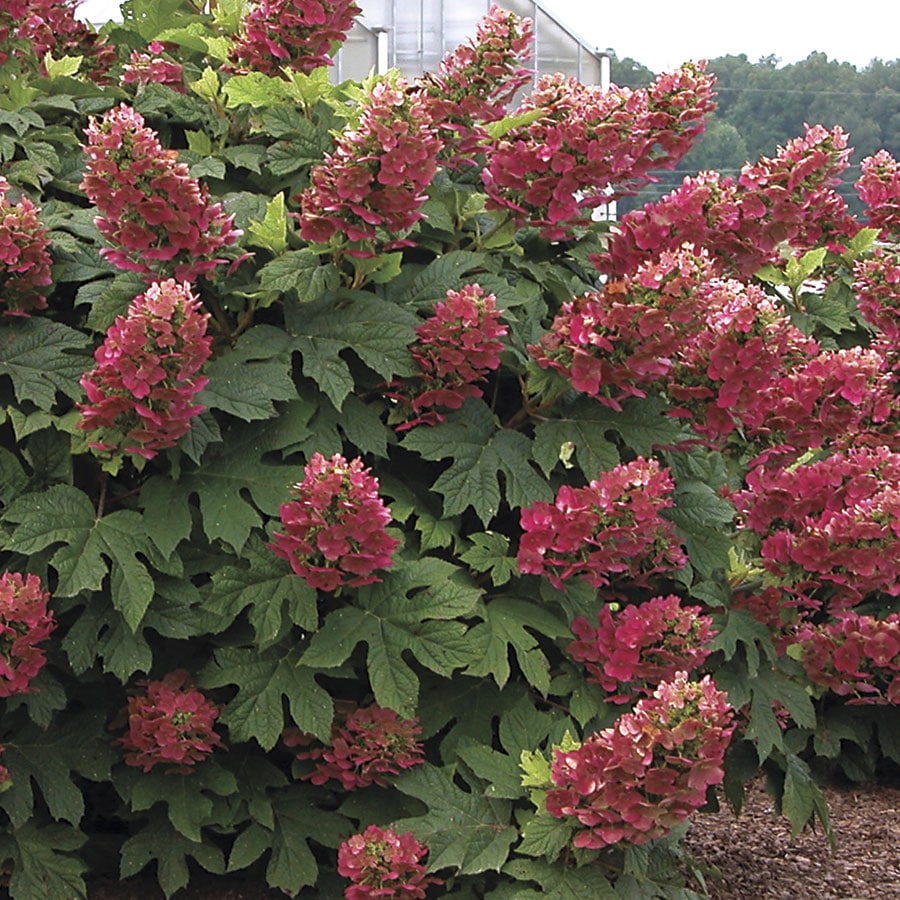
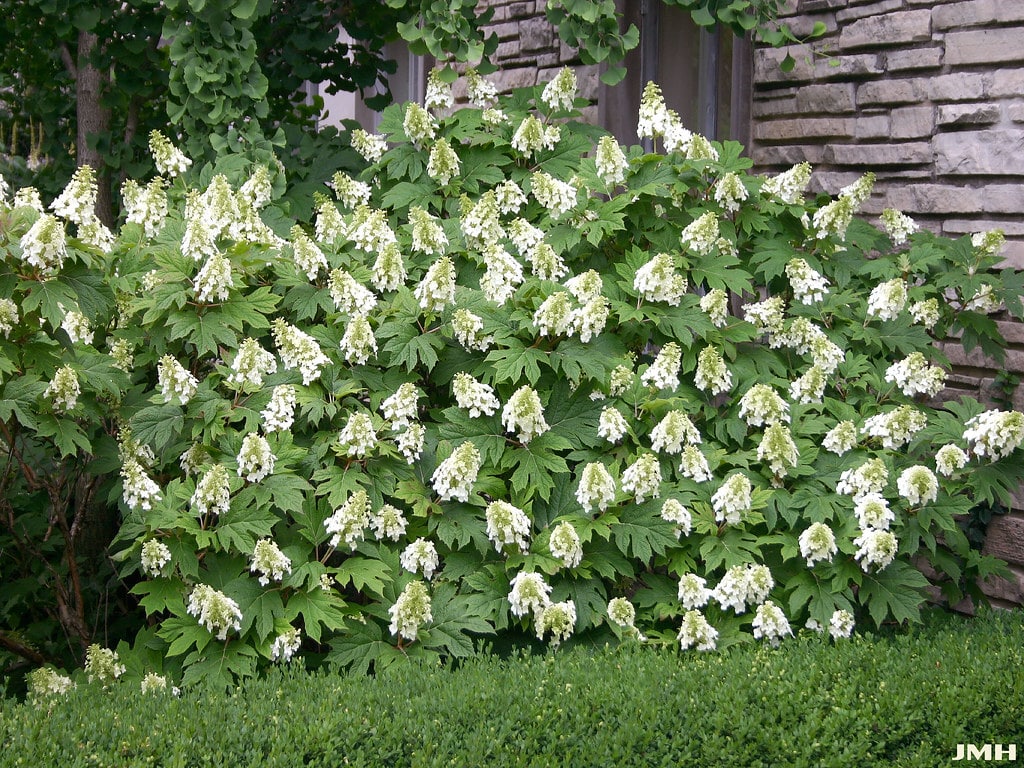
‘Ruby Slippers’ Hydrangea quercifolia – This is a dwarf hydrangea that grows to about 4’ x 4’ and blooms white fading to red. Oakleaf hydrangeas are a native type. Prune after blooming ends in fall.
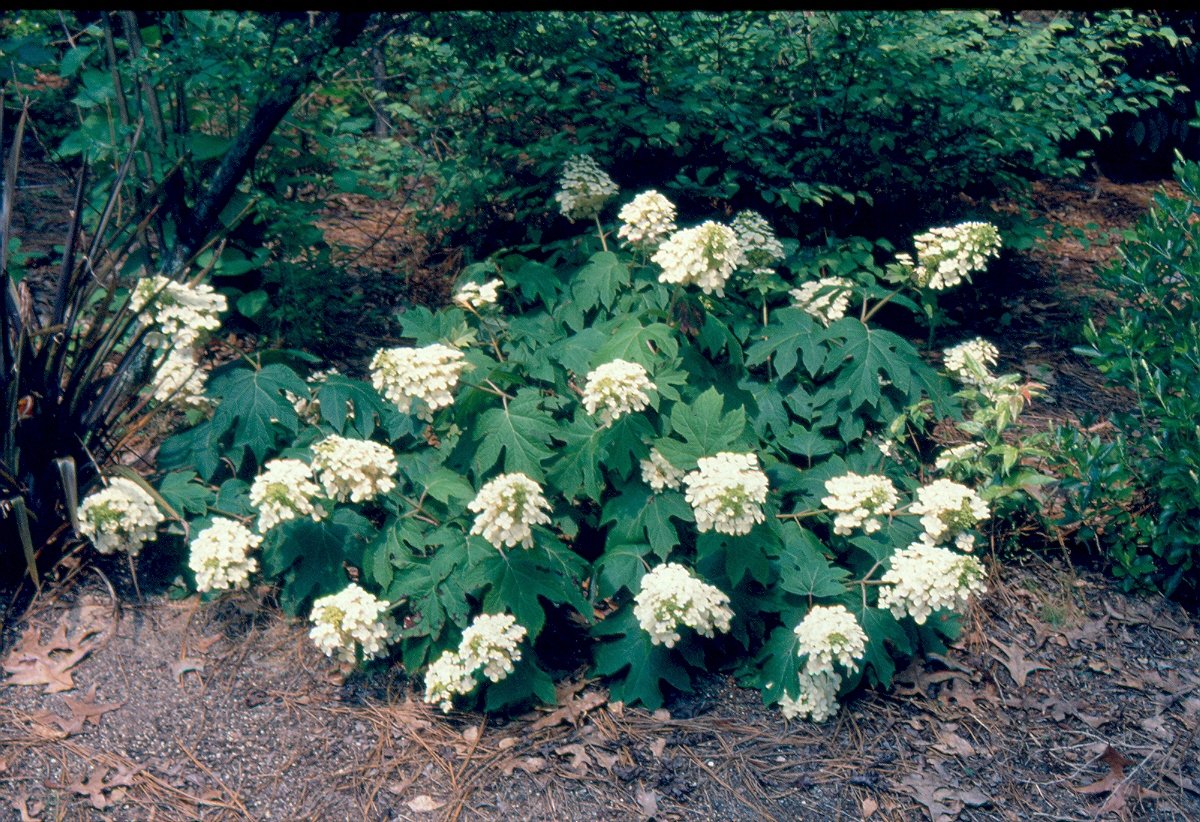
‘Pee Wee’ Hydrangea quercifolia – This is a dwarf version that grows to about 3’ x 3’ and blooms white. Oakleaf hydrangeas are a native type. Prune after blooming ends in fall.
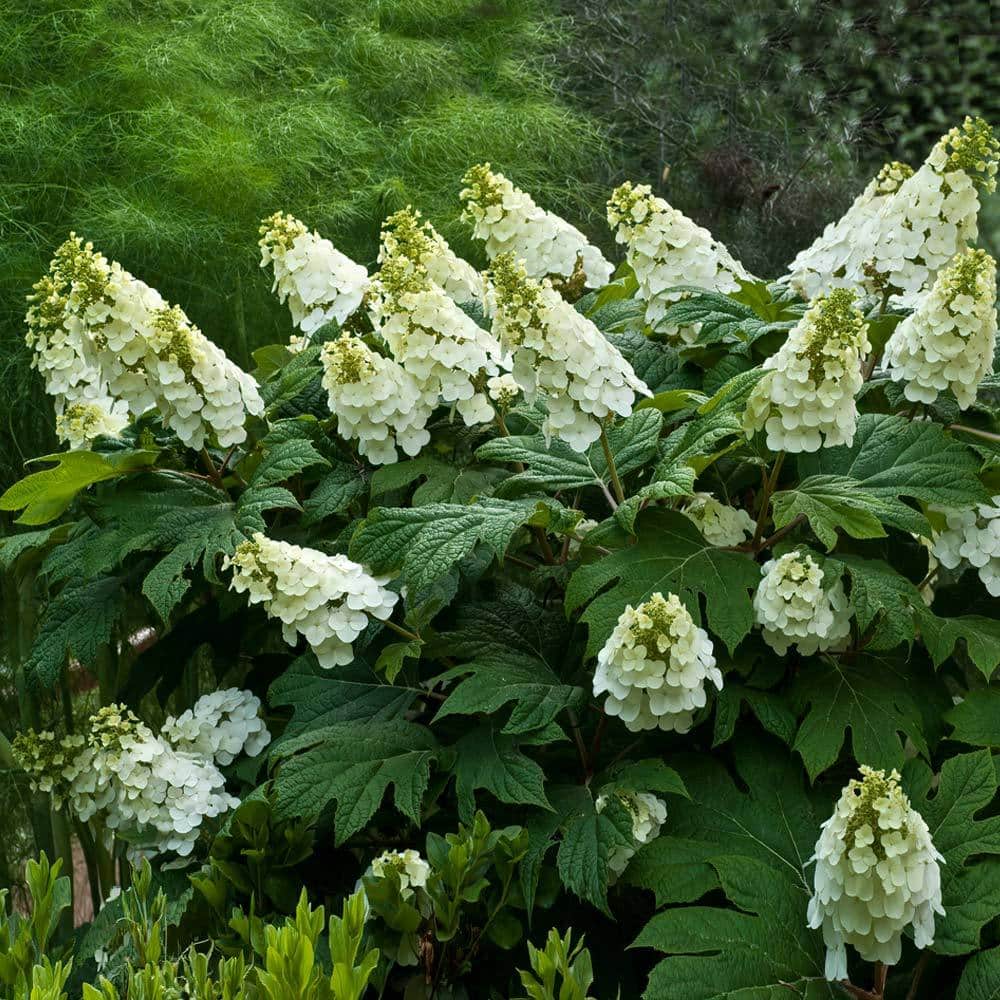
‘Alice’ Hydrangea quercifolia- This hydrangea grows to about 6’ – 8’ x 6’ – 8’ and blooms white. It is a native variety and is pruned after blooming ends in fall. This type is known for pest and disease resistance.
‘Snow queen’ Hydrangea quercifolia – This hydrangea grows to about 6’ x 6’ and blooms white. It is a native variety and is pruned after blooming ends in fall.
Shade Hydrangeas
These hydrangeas can tolerate partial sun but prefer full shade
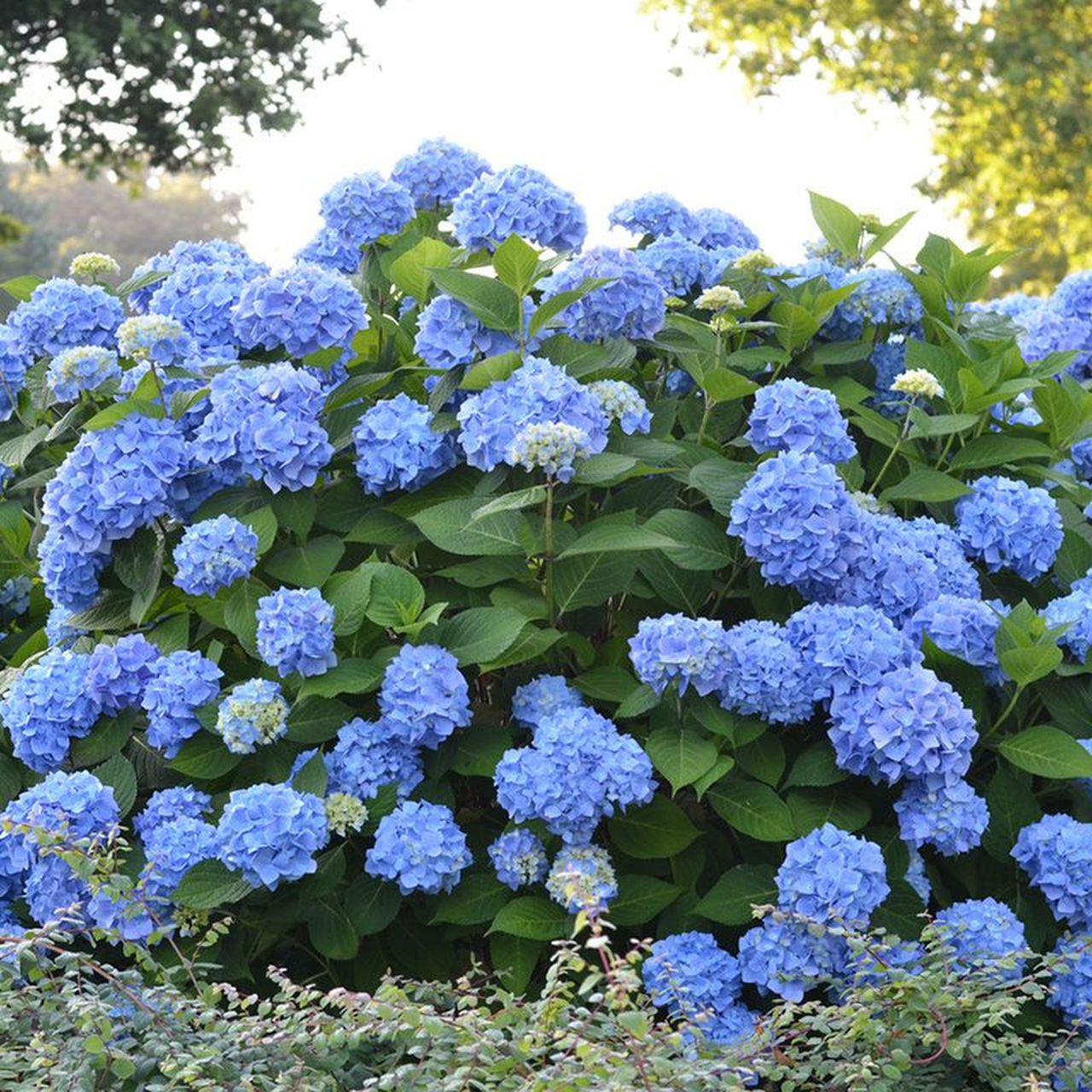
‘Endless Summer Bloomstruck’ Hydrangea macrophylla – These beauties grow to about 4’ x 4’ and bloom ranging from purple to pink depending on pH of soil. More acidic soil makes them more blueish purple and lime can help them to turn pink. The endless summer collection can bloom on old and new growth enabling them to be pruned throughout the year.
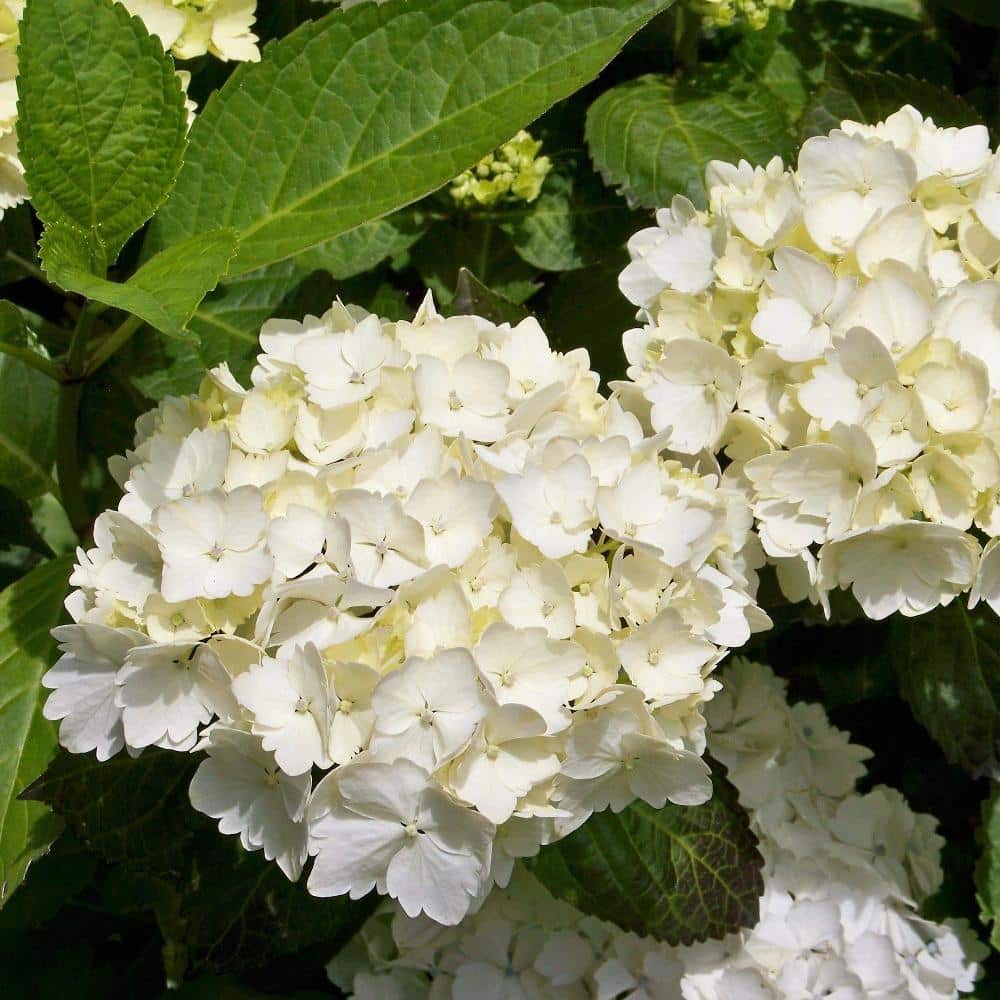
‘Endless Summer Blushing Bride’ Hydrangea macrophylla- These grow to about 3’- 6’ x 3’- 6’ and bloom white. The endless summer collection can bloom on old and new growth enabling them to be pruned throughout the year.
With any of these hydrangeas, it is important to know that they need a lot of water and will need to be watered regularly the first couple seasons after planting until they are established. The ideal time to plant is in the fall!
Stop by the store to shop, and our knowledgeable staff will be happy to help find you the perfect plant for your landscape!
Whether your yard is a blank slate that needs form and color or a hot mess that needs to be re-imagined and refurbished, a landscape designer can help. How do you find the right person for the job?
First, look for someone who has training in the field, is certified and has experience, suggests Gardens of Babylon’s co-owner Matt Kerske. “A designer learns to become a great designer by seeing finished designs and learning from them.” A landscape architect is also schooled in handling drainage issues, hardscape elements and other structural changes.
Consider the scale of your ideas and ask to see projects in the designer’s portfolio to determine the level and type of work they do. Some designers only provide a concept and final plan, and may suggest installers; others offer start-to-finish design and installation. Think about whether you want design only, or if yours is to be a design-and-install project.
You + Landscape Designer = Working Together
It’s important for the designer’s and client’s visions to align from the beginning, and as a client, you can help the designer get a feel for your style by sharing pictures of landscapes you like, or showing photos of your interior spaces.
Then it’s good to establish priorities. “I like to call them the needs and the wants in the beginning,” Matt says. A good designer can help define and adjust priorities, and will discuss what’s most important in considering a finished plan. Once work has begun, any revisions may cause delays and frustrations.
Consider the cost
For many clients, the budget is the really big consideration, Matt says. “It’s really common that people are not aware of what a lot of landscape elements cost.”
When the client has an idea at the beginning of the process of how much they can spend, the designer and client can work together to establish the scope of the work to be done. When the designer knows the budget boundaries, it’s easier to establish a realistic idea of what can be accomplished. This may mean choosing similar materials and finishes in a lower price range, for example, to achieve a client’s goal, so it’s important for the designer to have a sense of what a typical project can usually cost.
“It comes down to money, and value, for the client,” Matt says. “A designer wants to make sure the client is getting a good value for what they are expecting. This helps the customer establish priorities.”
Getting it done
Gardens of Babylon is a design/build company that works with clients from concept plan to final draft on the design end, and a project team that installs the landscape elements and plantings based on the design. The design/project team works with the client in choosing materials and plantings, and discusses any possible adjustments or modifications and their accompanying costs that may arise. “We make sure there are no hidden fees, and see the project from start to finish,” Matt says.
Designers on the staff have worked to develop a creative list of plants that are appropriate for the Middle Tennessee climate, and hardscape items that are time tested and durable. “Our firm has more than 15 years of experience and we’re very practical on our designs. That’s a great asset when it comes to ease and efficiency of the overall project.”
—
If you’re interested in speaking to designer about a new landscape project, click here to select a time for a free phone consultation.



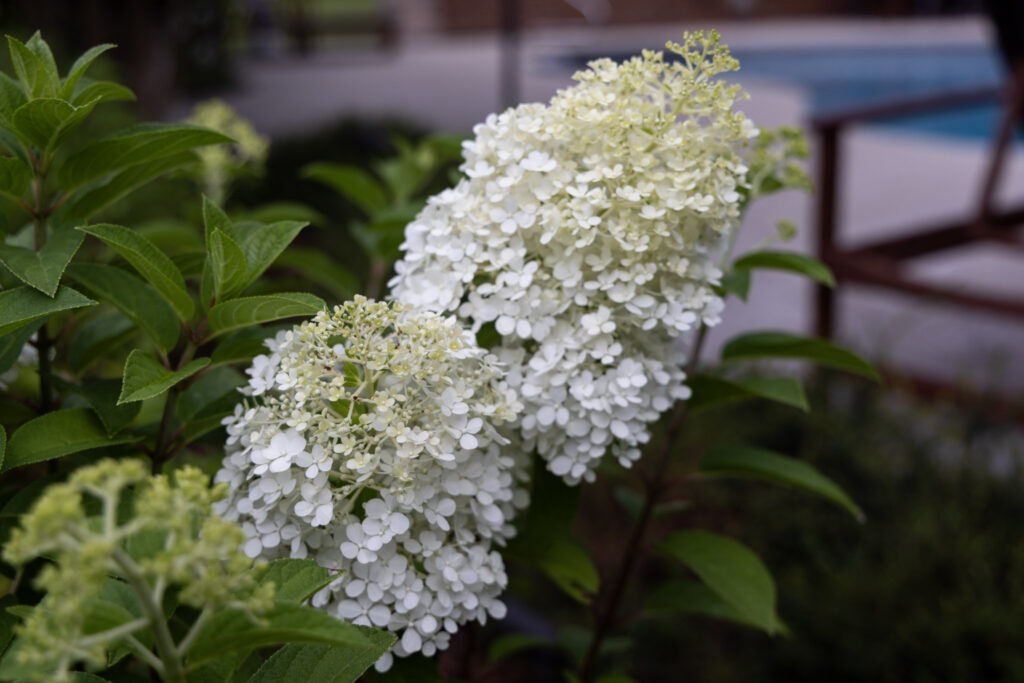 ‘Bobo’ Hydrangea paniculata – This dwarf flowering bush grows to about 3’ x 3’ and blooms during the summer with white blooms. They bloom on new growth and would need to be pruned in late winter or early spring. These make good border plants and have strong stems that do not droop with full blooms.