When it comes to landscaping in Middle Tennessee, there are a few key things to keep in mind. The first is that the climate can be hot and humid, so you’ll want to choose plants that can withstand that. The second is that the soil here is generally clay–based, so you’ll want to avoid plants that need a lot of water or that are susceptible to root rot. With those things in mind, here are a few of the best landscaping plants for Middle Tennessee:
1. Crepe myrtle
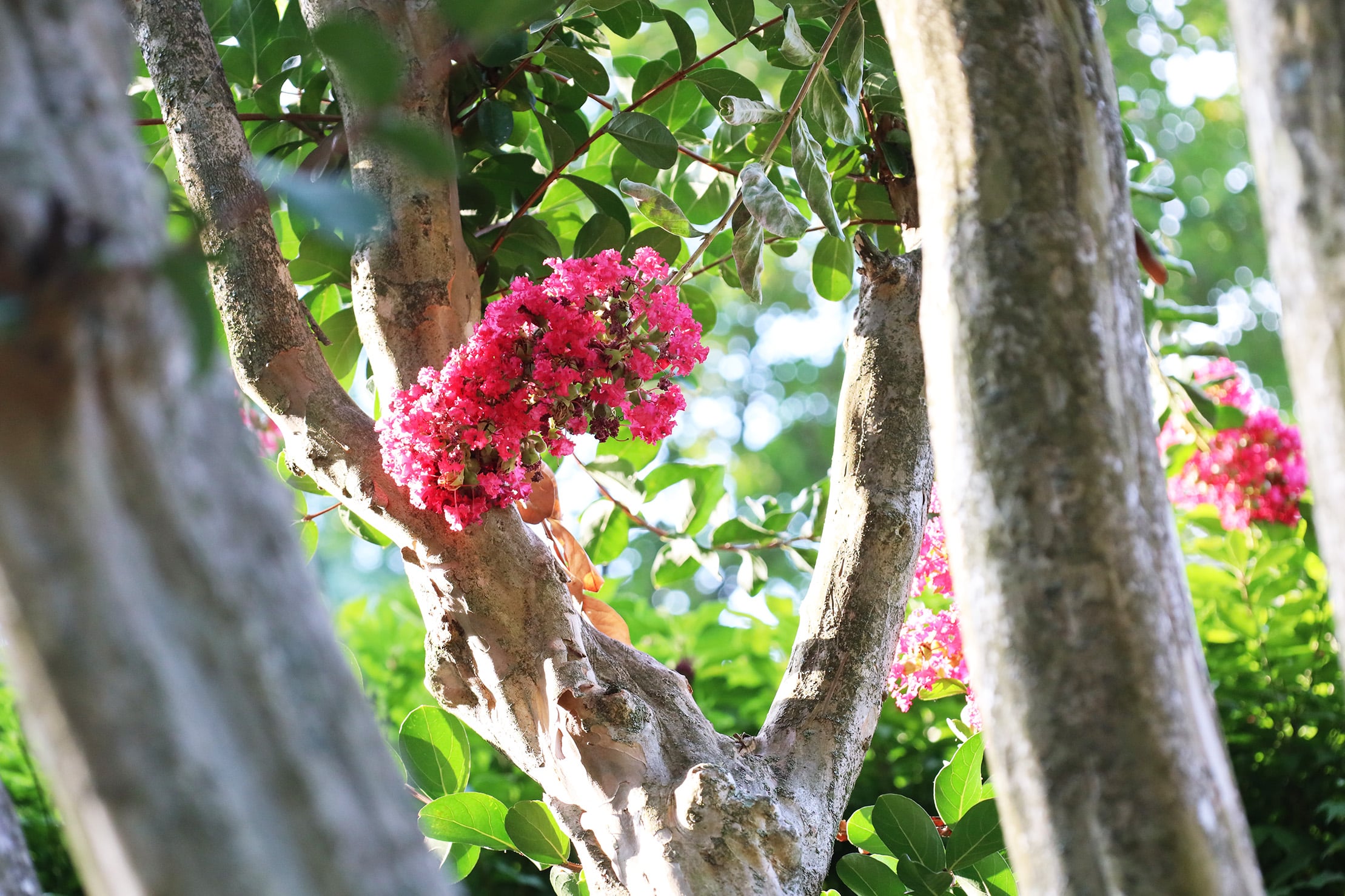
This heat–loving plant is perfect for Middle Tennessee, as it can tolerate both the hot summers and the clay soil. Plus, it comes in a variety of colors and can grow to be quite large, making it a great focal point for any landscaping design.
2. Japanese holly
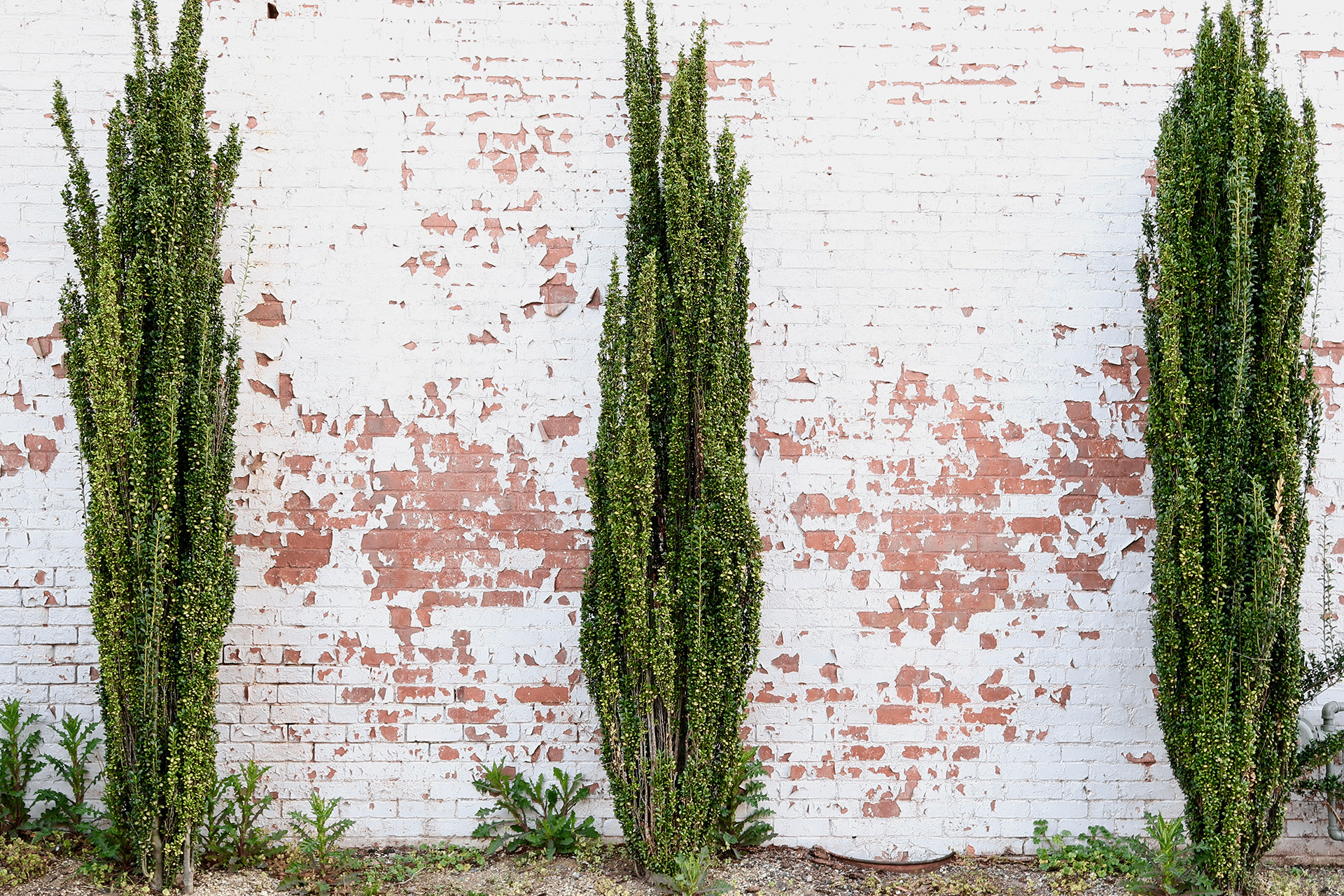
If you’re looking for an evergreen that can add some year–round interest to your landscaping, Japanese holly is a great option. It’s tolerant of both the heat and the clay soil, and it can be pruned into a variety of shapes, making it versatile for any landscape.
3. Butterfly bush
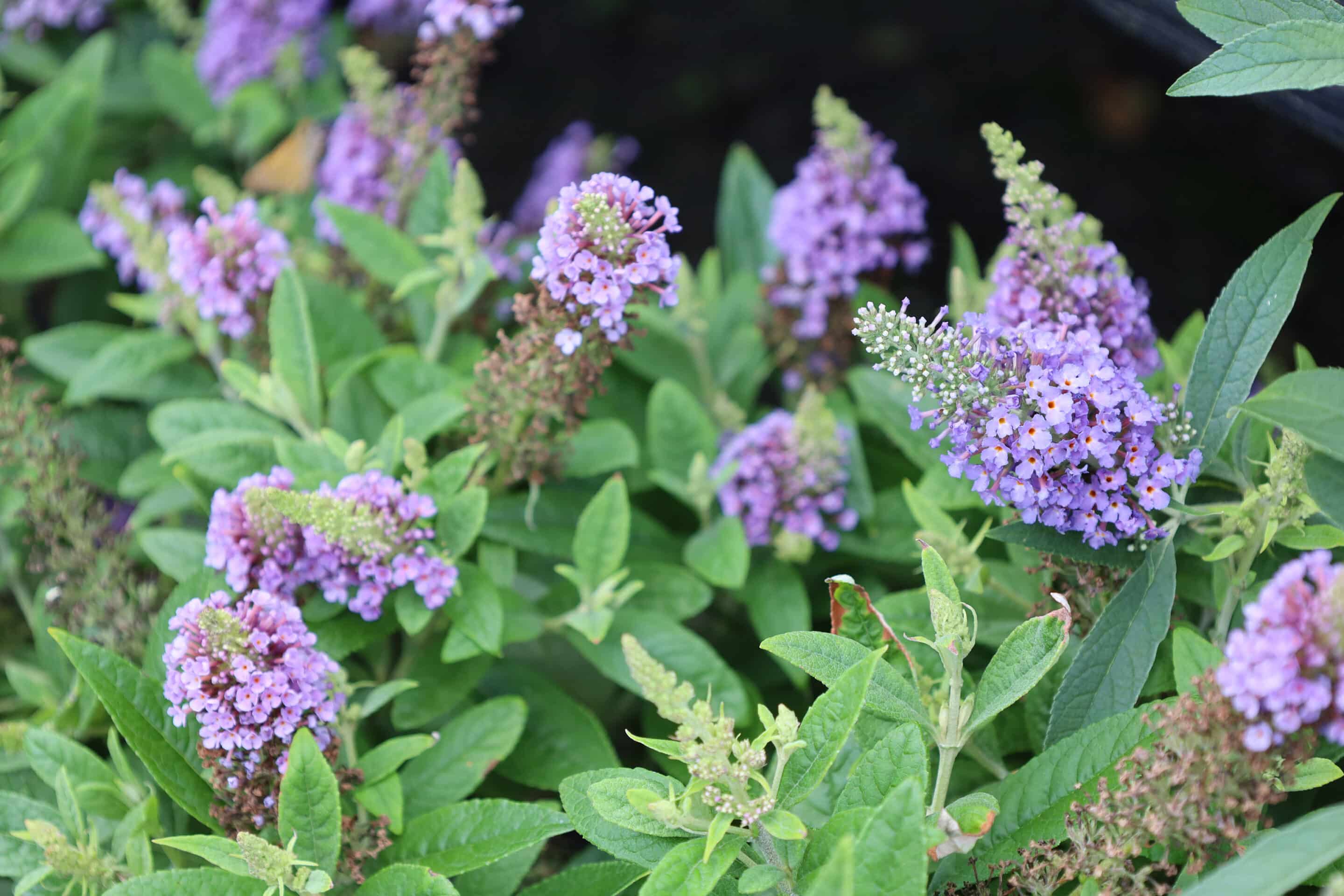
Butterfly bush is a great choice for Middle Tennessee landscaping because it attracts butterflies and hummingbirds, adding a touch of beauty to your yard. It’s also tolerant of the heat and clay soil, and it can be pruned to keep it under control.
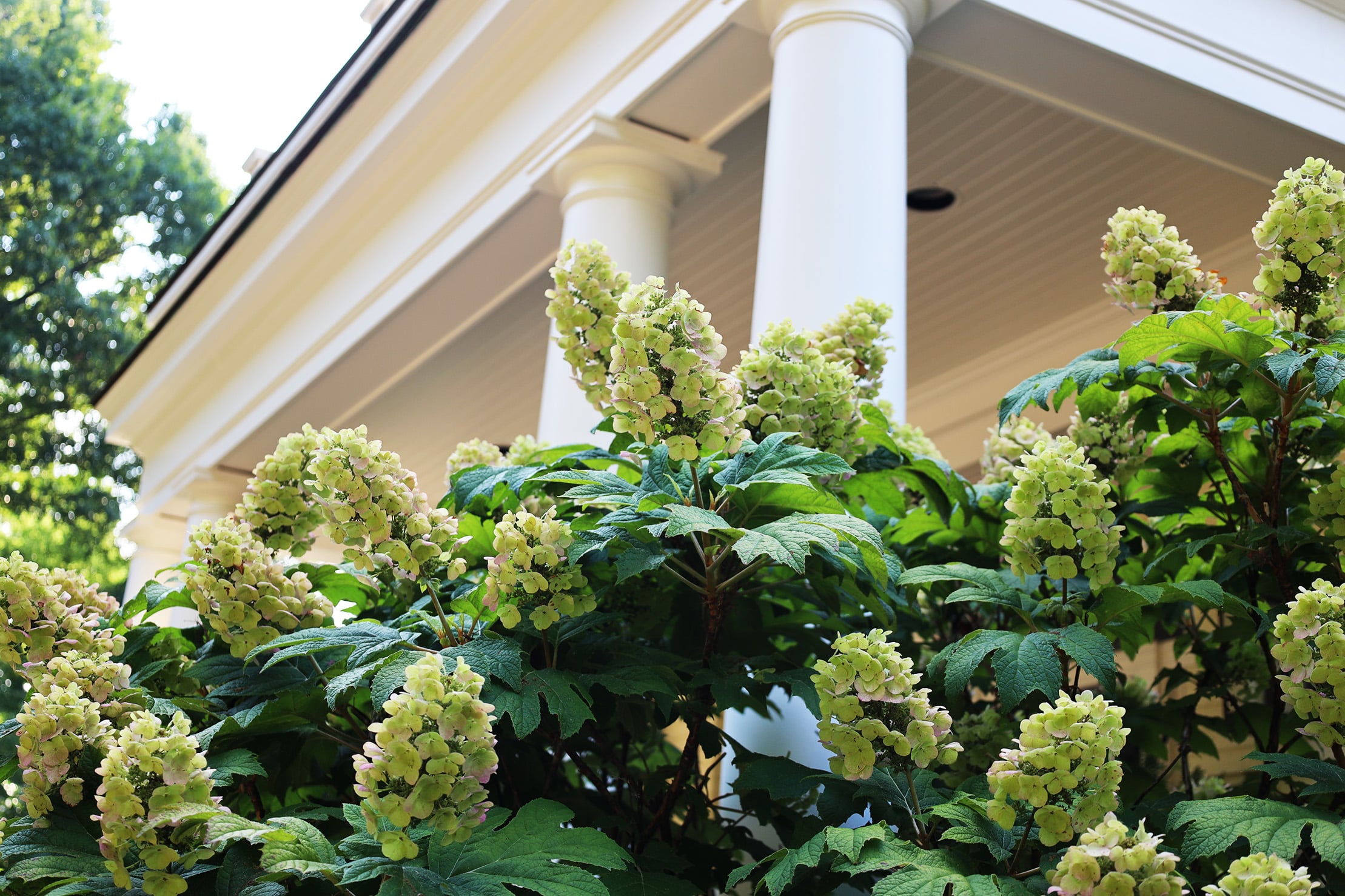
4. Oakleaf hydrangea
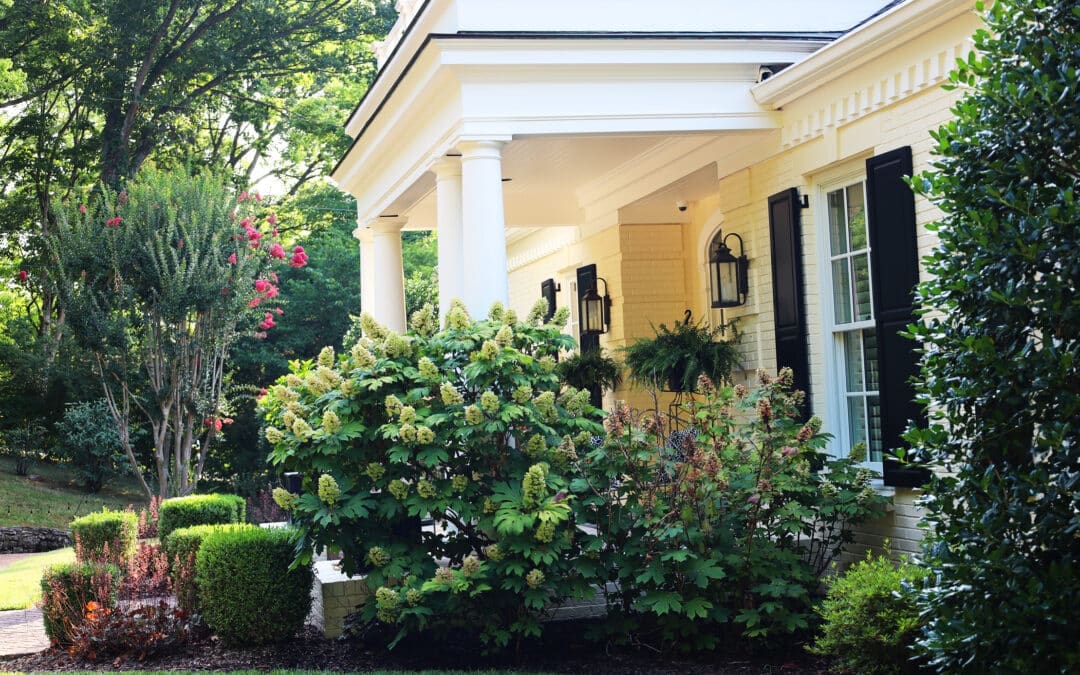
This native plant is perfect for Middle Tennessee, as it can tolerate both the heat and the clay soil. It has beautiful white blooms that appear in the summer, and its leaves change color in the fall, making it a great addition to any landscape.
5. Rose of Sharon
Rose of Sharon is a heat–loving plant that can add a touch of color to your Middle Tennessee landscape. It blooms in the summer, and its flowers can be white, pink, or purple, depending on the variety. It’s also tolerant of the clay soil.
With so many great options to choose from, you’re sure to find the perfect plants for your Middle Tennessee landscape. Just remember to choose plants that can tolerate the heat and clay soil, and you’ll be sure to have a beautiful yard that you can enjoy for years to come. If you are looking forplants that will thrive in your Middle Tennessee landscape, stop on into the gar den center – we’re stocked on all kinds of plants that will thrive in your landscaping. Our staff can help you choose the perfect plants for your area! Or, to start designing the landscape of your dreams, schedule a consultation!
There are 2 key parts to prepping you plants for spring: fertilization and acclimating plants to the outdoors.
Fertilization
Start fertilizing houseplants about 8 weeks before the last expected spring frost. Here in Nashville, that’s mid-late April. The first few fertilizer applications should be made at half the recommended strength. Help acclimate your plant slowly to receive fertilizer again!
Most houseplant fertilizers contain a mixture of both macro- and micronutrients.
The three primary macronutrients, nitrogen, phosphorus, and potassium, found in a container of fertilizer are listed as a ratio on the front of the bottle or bag. Called the N-P-K ratio, these numbers tell you the percentage of each of those nutrients inside the container.
Some of our favorite fertilizers are Monty’s All Purpose and Good Dirt Plant Food, These products are great for most general houseplant applications and can easily be diluted in a watering can. Feeding your plants will help you replace the minerals and nutrients that are lacking in your potting soil.
Acclimating
When you take a plant from its indoor environment and place it outside suddenly, the plant can easily become stressed as a result of shock. Do this gradually, and your plants will love you for it!
You shouldn’t place any houseplant in direct sunlight outdoors. Instead, seek out a nicely shaded area, perhaps your patio or under a tree, and allow your plants to take in the fresh air for a few hours each day. Then gradually move them to an area allowing a little sunshine and slowly increase their time outdoors, even leaving them out all day. After a couple weeks, the houseplants should be well adapted to their outdoor setting to remain throughout summer.
Outside temperatures can vary greatly from indoors as well, and since the majority of houseplants originate from tropical-like regions, they cannot tolerate cold temperatures or anything below 55 F.
You may also be dealing with pests. Inside, houseplants are not typically bothered by insects or other pests so much as they are outdoors. Become familiar with some of the more common insects pests so you’ll be better prepared at fighting them off.
Bi-weekly preventative Neem oil applications will help deter any pests from making your plants a home.
Even if you don’t have a personal patch of soil, you can still have a garden. If you have space to plant a garden in the ground, you also want to enhance your porch, patio or deck. That’s the advantage and beauty of container gardening.
But how do you choose the best container for the job? It depends on what you want it to do – fill a nook on your small balcony? Grow a tree on your patio? There’s a pot for every purpose.
Choose your size
Any living thing needs room to grow, so you’ll want a container that provides enough space for roots to spread in the soil. A general rule for a single plant or shrub is to choose a pot that is roughly twice the size of the root ball of the plant you’ll put in it. If it’s too small, the plant’s roots will quickly fill it up; if it’s too large, the roots may struggle to reach the moisture they need, and admit it, a small plant looks awkward in a big, spacious expanse of pot and soil.
Size also depends on whether you’re potting up that single plant, or a container garden with a mix of annuals, perennials or herbs. For an attractive mix, you want a container that is proportionate to the size of the little garden as it matures, and that still provides enough room in the soil for each plant’s roots to absorb the nutrients it needs.
Whatever size is selected, make sure it has a hole to allow water to drain through. Most plants that sit in waterlogged soil will struggle, and likely not survive.
Choose your style
If the look you prefer to cultivate in your space is buttoned-up formal, of course you’ll choose a container that reflects that style – possibly with clean, crisp lines and colors and shapes that match the rest of the landscape and furnishings. If you style is more eclectic, you may go for an assortment of colors and finishes, and they may or may not be similar.
Modern, contemporary style containers may have a sleek finish, unique shapes or bold colors. Garden classics may be in subtle “natural” shades and embellished with simple or ornate details.
In my own garden and patio areas, for example, I have an eclectic mix of pots: tall containers that hold large ‘Kimberly Queen’ ferns in spring, summer and fall, mid-height pots for geraniums or angel-wing begonias, and short, wide bowls that I plant with sedums, or with Creeping Jenny that flows like water over the bowl’s rim. Most of the pots are in shades of blues and greens, but I’m also fond of the look of moss-covered clay pots, so I use those, too, usually planted with annuals and tucked into garden beds to fill empty spaces among the perennials.
Consider the shape & material
When you’re thinking of what shape to use – round, square, rectangular, tapered – consider the spaces where the planted containers will be displayed. Round planters tend to have a more solid, organic feel; square, boxy planters are good for adding symmetry in a garden layout. A rectangular planter may provide the horizontal lines needed in a formal or informal design; gently tapering square or rectangular planters seem to have a softening effect in a variety of style settings. Flat and bowl-shaped planters can be attractive tabletop features.
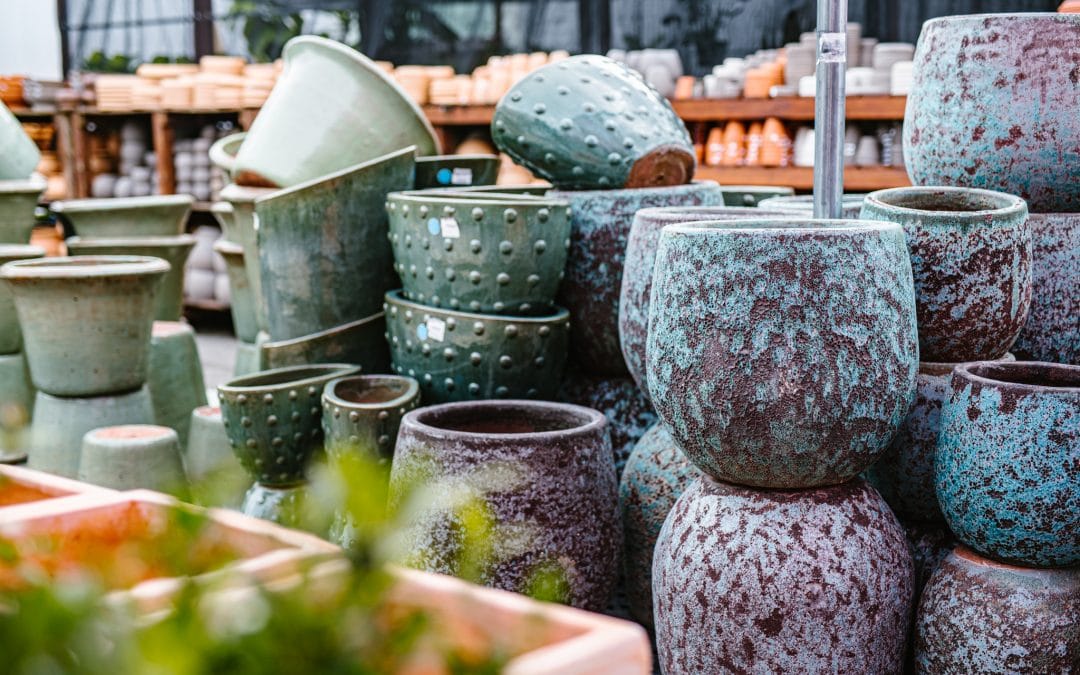
Glazed ceramic, which is available in a range of textures and colors, is a popular choice for outdoor container gardens. If you plan to leave containers outdoors all year, make sure they are the type that can withstand freezing weather. Large containers are heavy, and very stable in an outdoor setting.
Terra cotta pots, which can be plain or decorative, are porous and provide good drainage. They also dry out more quickly than glazed pots, so you likely will need to water more often. Because of their porosity, terra cotta needs to be moved to a protected location before freezing weather arrives.
Ready to find the perfect pot? Stroll through Gardens of Babylon’s Garden Center to see a wide range of containers of all sizes, from the tiniest clay pot to large, deep containers suitable for a small tree.
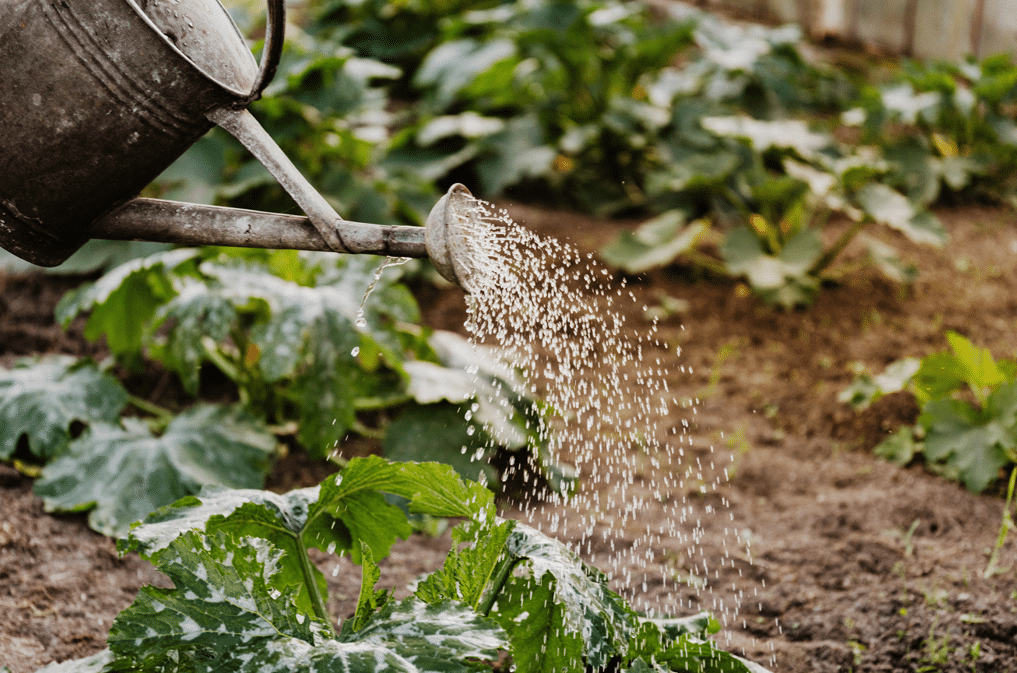
Watering is one of the essential components needed to keep a landscape alive and thriving. But how much water is enough? Is there such a thing as too much?
How Much Water Do Plants Really Need?
There’s no one-size-fits-all answer to this basic question. Experts at the University of Tennessee Extension remind us that moisture needs differ based on plant species, season, and the environment, along with whether the gardener’s goal is to achieve optimum growth and performance, or merely to ensure survival.
For example, established perennial beds in loamy soil may be fine with an occasional dry spell, especially if the gardener has supplied mulch; that tomato patch, however, is likely to produce cracked, diseased fruit if watering is inconsistent. And plants in sandy soil, which drains more quickly, may need more attention.
Too much water, though, can produce its own set of problems. Clay soil, which doesn’t drain well, can be a cause of damaged or rotting roots. Plants in waterlogged soil may drown due to lack of oxygen. Overhead watering at the wrong time of day can result in fungal diseases (morning watering is best so that plants’ foliage dries before nightfall). Compacted soil can mean the water that does fall (or drip or sprinkle) runs off and doesn’t reach the roots.
Irrigation Guidelines
UT Extension provides general guidelines for specific types of landscape plants – recognizing, still, that needs vary based on species, environmental conditions and age of the plants. Note, too: A rain gauge, which helps keep up with how much “natural” irrigation occurs and when supplemental irrigation is necessary, could be considered an essential tool:
Lawns: The general rule for grass is 1 inch of water per week, but remember that this may depend on the species of grass, condition of the soil and age of the lawn. For grass with deeper roots, experts suggest watering deeper, but less frequently, as shorter watering every day encourages shallow root growth.
Perennial beds: Water newly planted perennials deeply to encourage deep root growth while they are establishing themselves in the beds. After they’re established, many native and adapted species may not require regular watering under normal conditions. During periods when rainfall is scant or nonexistent, even well-established plants may need supplemental irrigation.
Vegetables and annuals: These are notoriously thirsty plants, but still may not need daily watering. UT Extension suggests watering when the top 4 to 6 inches of soil is no longer moist, or 3 to 6 inches when plants are new and establishing roots. Keep an eye on the amount of rain the garden gets, and gauge your garden’s needs for supplemental watering. And use mulch to maintain more consistent moisture in the soil.
Containers: Soil in containers dries out quickly, and it’s worth checking every day during the hottest part of summer to see if the soil in your porch or patio plants needs moisture.
Irrigation Systems
Hauling hoses and sprinklers around the yard and garden beds can be a chore, especially in mid-summer heat. An in-ground irrigation system can be an appealing option, says Tim Nebel, Gardens of Babylon’s landscape production manager.
“The biggest advantage, if you have a system set up correctly and a good watering schedule, is that the system is taking care of watering needs for you,” Nebel says. And when systems can be programmed to provide water as needed and adjusted to meet different needs throughout the season, it can save money.
Different types of nozzles in a system provide different functions. Rotors are generally used for turf areas, Nebel explains. Fixed spray heads cover smaller lawns or garden beds, and drip irrigation can be set up to focus on plants’ root zones. This can help assure that specific areas get enough – but not too much – water for gardens and lawns to thrive throughout the seasons.
And like many other home accoutrements, irrigation systems can be “smart.” “Smart controllers run through wi-fi through an app on the phone,” Nebel explains. “You can run it from anywhere through remote control. Smart systems (such as Hunter Industries’ system Hydrawise) can adjust watering based on local weather data – if it’s raining when the system is programmed to run, it doesn’t turn itself on.
An advantage of setting up a regular schedule on any system is that it’s worry-free, Nebel says. “You set it up and don’ have to think about it except to make sure it’s in auto-run position.”
*
Gardens of Babylon installs and maintains irrigation systems, and offers different maintenance package levels for landscapes of all sizes. Click here to learn more about the systems and book a consultation with the Landscape Design team.
My name is Dana and I’m with Gardens of Babylon and today I’m going to share with you my success tips for container planting so that your containers will look professional!
What kind of soil is the best for container planting?
So let’s talk about soil in our containers. That’s something that most people overlook – they get caught up with the beauty of the flowers. But, actually, the soil is the most important component, because that’s what’s going to feed out beautiful plants and give them nutrients. You want to get the best quality potting soil that you can for your containers. And I love to use one that’s rated for outdoor containers; it already has some micronutrients in it. We have lots of great quality soil and lots of different brands to choose from at Gardens of Babylon!
Pro tip: If you have pots that dry out a lot or if they’re in the hot sun you can actually buy some play sand and put it in the bottom of your containers and that will actually hold more moisture for you throughout the season! That way, you don’t have to be watering multiple times a day.
Decorate your Porch
There’s three design elements for your containers that you can follow – you need a thriller (something eye-catching), a spiller (a plant that cascades over the edges of the pot), and a filler (something to fill space between the larger plants)!
I always love to incorporate ornamental grasses because they’re gonna be very vertical and that there’s movement which I love. If you want this to be seen from the road and kind of have some curb appeal and you want people to turn their head I always incorporate yellow! You just sort of notice yellow and it always makes you turn your head! I also love to add some white flowers, especially if you’re gonna do a lot of big bold colors! White is that design element that brings all the colors together.
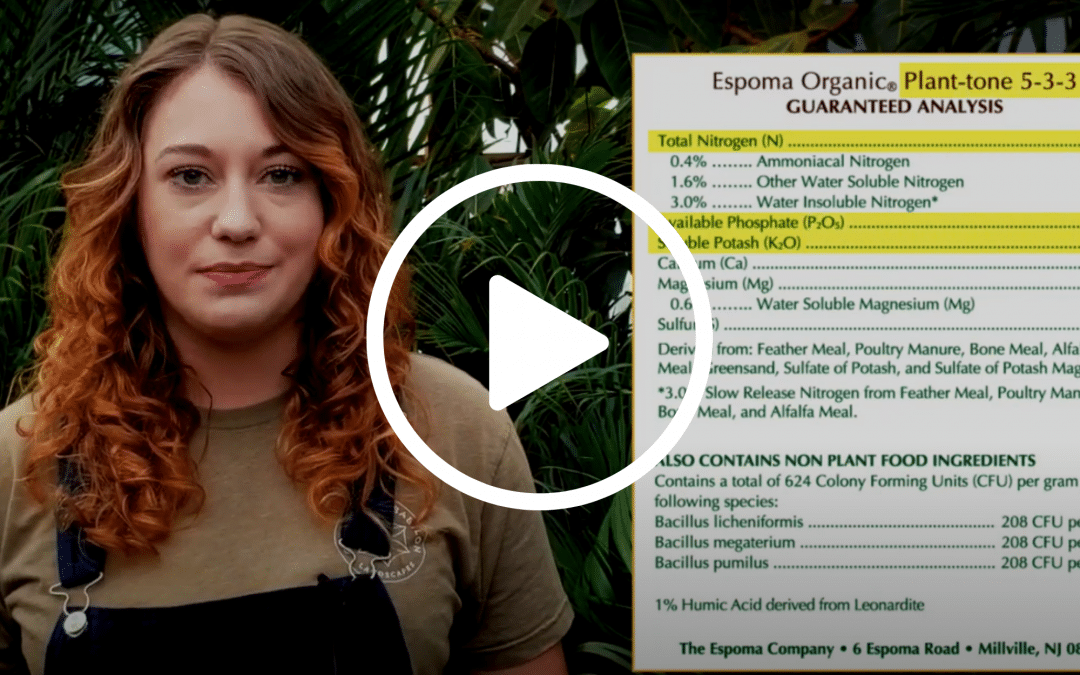
You always want to fertilize your plants as well, it’s sort of like giving your plants vitamins! I love to use flower tone.
Whatever brand you decide to use you just want to use it per package direction whatever it says. So I would then sprinkle in my fertilizer, water this in really well. As if your planters are flushed to the ground on your patio or porch it’s always helpful to get some little legs or prop them up with bricks so that there’s a little bit of air movement underneath your planters because what happens is our soil will kind of settle and if it’s right there flush with your patio or your porch it could clog and it could actually cause water to sort of sit in the bottom and rot our roots. So it’s always a good idea to kind of lift up our pots up off the ground so that that water can drain out throughout the season.
Plant love being pruned
So let’s talk about plant maintenance throughout the year. So just like we cut our fingernails or go get haircuts our plants actually need some maintenance throughout the year and if not they get scraggly they don’t bloom as well so, I just wanna let you know that plants love to be pruned.
Feel free, you’re not hurting them in any way they actually love it when you trim them and actually promote some new growth and it keeps them bushier and healthier. So what I would do especially with Coleus they tend, they tend to get sort of leggy you can always just go and take your pruners or sometimes just your fingernails and just snip off right here right before a leaf node, and I’ll show you on this one on the future what I would do is I would take my pruners and just prune the right there.
You can always just trim off any leaves that have gotten hits and then that what that’s gonna do is create, it’s gonna send a hormone when it down to this leaf node, it’s gonna signal to the plant I can go ahead and grow some more and gave new buds. Same with this there’s always just gonna be some like little scraggly leaves, just look you know you can you should even take your fingernail. Now this is just normal you know plants are just gonna they’re living creatures and they gonna require just a little bit of maintenance.
So we’ve talked about fertilizer and soil and plant care and this is gonna help set you up for success so, don’t be shy plants are very forgiving and go have fun!